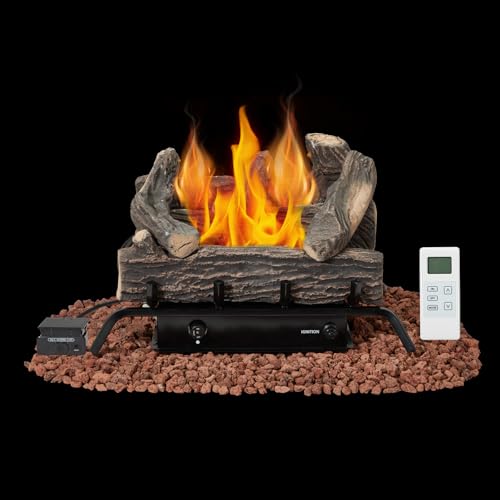
Convert Wood Burning Fireplace to Gas Inserts
A complete guide to transforming your traditional wood-burning fireplace into an efficient, convenient gas insert system
START THE GUIDEWhy Convert? Converting a wood burning fireplace to gas inserts eliminates the hassle of chopping wood, cleaning ash, and dealing with inconsistent heat. You get instant, controlled warmth at the push of a button — with cleaner combustion and lower maintenance.
Why Convert Your Wood Burning Fireplace to Gas Inserts?
If you're tired of the constant maintenance that comes with a traditional wood burning fireplace, converting to a gas insert might be the perfect upgrade. Unlike a full fireplace replacement, a gas fireplace insert for wood burning fireplace fits directly into your existing firebox, preserving the character of your hearth while modernizing its performance.
The conversion process involves installing a specialized gas insert unit into your existing masonry or prefabricated firebox. This unit contains its own burner, logs, and often a blower and thermostat. The result is a highly efficient heating appliance that looks like a traditional fireplace but operates with the convenience of gas.
Homeowners choose this conversion for several compelling reasons: no more wood storage or ash cleanup, consistent and controllable heat output, improved energy efficiency, and the ability to use your fireplace with just a remote control. For those considering a complete overhaul, it's worth comparing this approach to a replace wood burning fireplace with gas insert project, which may be necessary if your existing firebox is damaged or unsuitable.
Is Your Fireplace a Candidate for Conversion?
Not every wood burning fireplace is a good candidate for a gas insert conversion. Before you proceed, you need to evaluate the condition and type of your existing fireplace. Here are the key factors to consider:
1. Masonry vs. Prefabricated Fireplaces
Masonry fireplaces built from brick or stone are generally excellent candidates for gas insert conversion. Their solid construction provides a stable foundation for the insert and the chimney liner. Prefabricated or zero-clearance fireplaces can also be converted, but you must ensure the new insert is compatible with the existing enclosure. Some older prefab units may have limitations on the type and size of insert that can be installed.
2. Firebox Condition and Size
The firebox must be structurally sound with no cracks, crumbling mortar, or damaged refractory panels. If you notice deterioration, you may need to repair or replace the firebox before installing a gas insert. Additionally, the firebox must be large enough to accommodate the insert unit while maintaining proper clearances. Measure the width, height, and depth of your firebox, and compare these dimensions with the specifications of the gas insert you're considering.
3. Chimney and Venting
Your chimney plays a critical role in the conversion. Most gas inserts require either a direct vent system or a chimney liner. If your chimney is in good condition, a flexible stainless steel liner can be run through it to exhaust combustion gases. If the chimney is damaged or unlined, you may need to install a new liner or consider a direct vent insert that uses a coaxial pipe through an exterior wall. Understanding installing a gas fireplace in an existing home will help you plan the venting aspect of your project.
4. Gas Line Availability
A gas insert requires a gas line connection, either natural gas or propane. If your home already has a gas line running near the fireplace, the connection is relatively straightforward. If not, you'll need to have a gas line installed by a licensed professional, which adds to the overall project scope. For those without access to natural gas, a converting wood burning fireplace to propane setup is a viable alternative.
Types of Gas Inserts for Your Conversion
When converting your wood burning fireplace, you'll need to choose the right type of gas insert. The main categories are based on venting method and fuel type.
Direct Vent Gas Inserts
Direct vent inserts are the most popular choice for conversions. They use a dual-pipe system that draws combustion air from outside and exhausts gases directly outdoors, eliminating the need for a traditional chimney. This makes them highly efficient and safe, with no risk of indoor air quality issues. A direct vent gas fireplace insert with blower can distribute heat effectively throughout your living space.
Natural Vent (B-Vent) Gas Inserts
Natural vent inserts rely on the existing chimney to exhaust combustion gases. They require a properly sized and lined chimney to function safely. While they are generally less expensive than direct vent models, they are also less efficient because some indoor air is lost up the chimney.
Ventless Gas Inserts
Ventless gas inserts are designed to burn cleanly enough that they don't require external venting. However, they are not suitable for all installations and may be restricted in some areas due to indoor air quality concerns. They are generally used as decorative appliances rather than primary heat sources. If you're considering this route, a ventless gas fireplace insert with blower and remote offers convenience but requires careful adherence to clearance and safety guidelines.
Step-by-Step Conversion Process
Converting a wood burning fireplace to a gas insert is a multi-stage project that typically requires professional installation. Here's what to expect:
Step 1: Assessment and Planning
A certified technician will inspect your fireplace and chimney to determine feasibility. They'll measure the firebox, check the chimney's condition, and assess gas line availability. This is also the time to discuss your heating needs, design preferences, and budget (using tier-based descriptors, not specific numbers). You may also want to review cost of converting wood burning fireplace to gas to understand the investment involved.
Step 2: Gas Line Installation
If a gas line isn't already present, a licensed plumber or gas fitter will run a new line from your main gas supply to the fireplace location. This step requires permits and inspections in most jurisdictions. Learn more about gas fireplace installation requirements to ensure compliance.
Step 3: Chimney Liner or Direct Vent Installation
For natural vent inserts, a flexible stainless steel liner is installed inside the chimney. For direct vent inserts, a coaxial pipe is routed through the chimney or an exterior wall. Proper sealing and insulation are critical to prevent drafts and ensure efficient operation.
Step 4: Insert Installation and Connection
The gas insert is positioned into the firebox and connected to the gas line and venting system. The installer will ensure proper clearances and secure the unit. Electrical connections for the blower, remote, and thermostat are also completed at this stage.
Step 5: Testing and Commissioning
Once installed, the technician will test the insert for leaks, proper flame appearance, and correct operation of all controls. They'll also verify that the venting is drafting correctly and that safety systems are functioning. You'll receive a demonstration of how to operate and maintain your new gas insert.
Wood Burning vs. Gas Insert: Key Differences
| Feature | Wood Burning Fireplace | Gas Insert Conversion |
|---|---|---|
| Convenience | Manual lighting, wood loading, ash removal | Instant ignition via remote or wall switch |
| Efficiency | Low (often 10-30% in open fireplaces) | High (up to 80%+ with direct vent inserts) |
| Maintenance | Frequent cleaning, chimney sweeping, ash disposal | Annual inspection, minimal cleaning |
| Heat Control | Difficult to regulate; varies with wood quality | Precise thermostat and flame height control |
| Cleanliness | Ash, soot, and smoke odor | Clean-burning; no ash or soot in living space |
| Installation Complexity | Already installed | Professional installation required |
| Environmental Impact | Higher emissions; particulate matter | Lower emissions; cleaner combustion |
Understanding the Investment
The cost of converting a wood burning fireplace to gas inserts depends on several factors, including the type of insert, venting requirements, labor rates in your area, and any necessary modifications to the firebox or chimney. Entry-level conversions are more affordable, while premium inserts with advanced features and complex installations represent a higher investment.
It's important to consider the long-term value. Gas inserts are significantly more efficient than open wood fireplaces, which can translate to lower energy usage over time. Additionally, the convenience and reduced maintenance often justify the upfront cost for many homeowners. To get a clearer picture, review cost of converting wood burning fireplace to gas and cost of converting a wood burning fireplace to gas for detailed breakdowns.
For those who prefer a simpler, plug-and-play solution, converting to an electric insert is another option. A converting wood burning fireplace to electric project eliminates the need for gas lines and venting, though it may not provide the same level of heat output as gas.
Ready to Make the Switch?
Explore our recommended gas inserts below and find the perfect fit for your converted fireplace.
VIEW RECOMMENDED INSERTSProfessional Installation vs. DIY
While some home improvement projects are DIY-friendly, converting a wood burning fireplace to gas is not one of them. Gas line installation, venting, and electrical connections must be performed by licensed professionals to ensure safety and code compliance. Improper installation can lead to gas leaks, carbon monoxide exposure, and fire hazards.
That said, you can still be involved in the planning and design aspects. Choosing the right insert, selecting a reputable installer, and understanding the process will help you make informed decisions. If you're weighing your options, our guide on DIY vs professional fireplace installation provides a balanced perspective.
Hiring a certified professional also ensures that your installation meets local building codes and manufacturer warranties. Many companies specialize in companies that convert wood burning fireplace to gas, offering end-to-end services from assessment to final inspection.
Maintenance After Conversion
Once your gas insert is installed, maintenance is relatively straightforward compared to a wood burning fireplace. Here's what you need to know:
- Annual Inspection: Have a qualified technician inspect the insert, venting, and gas connections yearly. This includes checking for leaks, blockages, and wear on components.
- Cleaning the Glass: The glass front may develop a slight film over time. Use a non-abrasive cleaner specifically designed for fireplace glass. Refer to our guide on how to clean fireplace glass.
- Burner and Log Maintenance: Dust and debris can accumulate on the burner and logs. Gently clean them according to the manufacturer's instructions. For detailed steps, see clean gas fireplace burner.
- Blower Care: If your insert has a blower, keep it free of dust and lint. A fireplace blower fan not working can often be resolved with simple cleaning.
- Seasonal Checks: Before each heating season, test the insert, remote, and thermostat. Our seasonal fireplace checklist can help you stay organized.
Troubleshooting Common Gas Insert Issues
Even with a professional installation, you may encounter occasional issues. Here are some common problems and their solutions:
- Pilot Light Won't Stay Lit: This could be due to a dirty pilot assembly, faulty thermocouple, or draft issues. See pilot light keeps going out for troubleshooting steps.
- Weak Flame: A weak flame may indicate low gas pressure or a partially blocked burner. Check gas fireplace weak flame for guidance.
- Smells Like Gas: If you detect a gas odor, turn off the insert and ventilate the area immediately. Do not attempt to fix it yourself. Follow the safety steps in fireplace smells like gas.
- Unusual Noises: Buzzing or humming from the blower is often normal, but loud or persistent noises may indicate a problem. See fireplace making noise.
- Insert Won't Turn Off: This could be a stuck relay or a faulty remote. Learn more at gas fireplace won't turn off.
Frequently Asked Questions
Yes, most wood burning fireplaces can be converted to gas inserts. The process involves installing a gas insert into the existing firebox, running a gas line, and adding proper venting. However, some older or prefabricated fireplaces may require additional modifications or may not be suitable for conversion.
The cost of converting a wood burning fireplace to gas varies based on the type of insert, venting requirements, labor, and any modifications needed. Entry-level conversions are more affordable, while premium inserts with advanced features and complex installations cost more. It's best to get multiple quotes from certified professionals. For a detailed breakdown, see our guide on cost of converting wood fireplace to gas.
Most gas inserts require either a direct vent or a chimney liner. Direct vent inserts use a coaxial pipe that pulls in outside air and exhausts combustion gases. If you have an existing chimney, a flexible liner may be installed. Ventless gas inserts are also an option but have specific installation requirements. Learn more at do you need chimney or vent fireplace.
Converting to gas inserts offers convenience, cleaner operation, and often better energy efficiency compared to traditional wood burning. You get instant heat, no ash cleanup, and consistent performance. It's worth it for homeowners who want a low-maintenance, efficient heating solution. Compare long-term savings with our guide on long term cost which fireplace saves money.
In many cases, yes. A flexible stainless steel liner is typically installed inside the existing chimney to safely exhaust combustion gases. However, the chimney must be structurally sound and properly sized for the insert. If the chimney is damaged, a direct vent system may be recommended instead. See installing gas fireplace in existing chimney for more details.
A quality gas insert can last 15 to 20 years or more with proper maintenance. Regular annual inspections and cleaning will help extend its lifespan. Learn more at fireplace lifespan.
Final Thoughts
Converting your wood burning fireplace to gas inserts is a smart investment for homeowners who value convenience, efficiency, and cleaner operation. While the installation requires professional expertise, the end result is a beautiful, functional heating appliance that enhances your living space and reduces the hassle of traditional wood burning.
Whether you're motivated by the desire for instant heat, lower maintenance, or improved energy efficiency, a gas insert conversion delivers on all fronts. Take the time to assess your fireplace, consult with certified professionals, and choose an insert that matches your heating needs and design preferences. With the right approach, you'll enjoy the warmth and ambiance of a fireplace without the drawbacks of wood burning.
Explore Further: For a broader overview of fireplace options, visit our fireplace buying guide and learn about types of fireplaces electric gas wood ethanol to make a fully informed decision.