Replacing a Wood Burning Fireplace with a Gas Insert
Transform your inefficient wood-burning fireplace into a convenient, efficient, and beautiful gas insert system
EXPLORE BUYING GUIDEWhy Upgrade? Replacing a traditional wood-burning fireplace with a gas insert eliminates messy ash, improves heating efficiency dramatically, and gives you instant, controllable flames with the push of a button.
Why Replace a Wood Burning Fireplace with a Gas Insert?
Traditional wood-burning fireplaces are charming, but they are notoriously inefficient. Most open wood fireplaces lose more heat up the chimney than they produce for the room, often operating at efficiency ratings as low as 10%. This means you are paying for warmth that literally goes up in smoke. For homeowners in the research phase, understanding this inefficiency is the first step toward making a smart upgrade.
A gas insert is a self-contained unit that fits inside your existing fireplace opening. It is sealed with glass and uses a dedicated vent or liner to exhaust combustion byproducts. Because it is sealed, it does not lose conditioned room air up the chimney. Modern gas inserts achieve efficiency ratings between 70% and 90%, making them a legitimate heating source rather than just an ambiance feature. If you are weighing your options, learning about the electric vs gas vs wood fireplace comparison can help clarify which fuel type aligns with your lifestyle.
Key Benefits of a Gas Insert Conversion
Switching from wood to gas offers several practical advantages that appeal to homeowners seeking convenience and performance. Here are the primary benefits you can expect:
- Convenience: No more hauling firewood, cleaning ash, or building fires. Gas inserts ignite instantly with a remote control or wall switch.
- Efficiency: Sealed combustion and direct venting prevent heat loss. You get more warmth with less energy waste.
- Cleaner Air: Gas burns cleaner than wood, producing fewer particulates and no creosote buildup in your chimney.
- Consistent Heat: Adjustable flames and blowers distribute heat evenly. Many models include thermostats for automatic temperature control.
- Lower Maintenance: No chimney sweeping for creosote, no ash disposal, and minimal annual service requirements. You can learn more in our gas fireplace maintenance guide.
- Aesthetic Variety: Gas inserts come with realistic logs, glowing embers, and tall flames that mimic a wood fire without the work.
For those considering a different route, you might also explore replacing a wood fireplace with an electric insert if you prefer no venting at all. However, gas inserts remain the top choice for homeowners who want the look and feel of a real fire with modern convenience.
Is Your Fireplace a Good Candidate for a Gas Insert?
Not every wood-burning fireplace can accept a gas insert. The feasibility depends on several factors, including the condition of your existing chimney, the size of the firebox, and local building codes. Here is what you need to evaluate:
Firebox Dimensions: Gas inserts come in standard sizes. You need to measure the width, height, and depth of your firebox opening. Most inserts require a minimum depth of 14 to 16 inches. If your firebox is too small, a smaller insert or a different solution may be necessary.
Chimney Condition: The chimney must be structurally sound. A stainless steel liner is almost always required to safely vent the gas insert. If your chimney is damaged or unlined, this will add to the installation scope. Our guide on whether you need a chimney or vent explains venting options in detail.
Gas Line Availability: A gas insert requires a natural gas or propane connection. If your home does not already have a gas line near the fireplace, one will need to be run. This is a job for a licensed professional. You can read more about installing a gas fireplace without a gas line to understand the process.
Local Codes and Permits: Many municipalities require a permit for gas insert installation. Check with your local building department. Our article on fireplace permit requirements provides a helpful overview.
The Installation Process: What to Expect
Installing a gas insert is a multi-step process that should be handled by a qualified professional. Here is a general outline of what the installation involves:
- Inspection and Measurement: A technician inspects your existing fireplace and chimney, measures the firebox, and confirms the insert model will fit.
- Gas Line Installation: If no gas line exists, one is run from the nearest supply to the fireplace location. This step often requires a separate licensed plumber or gas fitter.
- Chimney Liner Installation: A flexible stainless steel liner is run down the chimney to exhaust combustion gases safely. This liner connects to the insert's vent collar.
- Insert Placement and Connection: The gas insert is slid into the firebox. The gas line is connected, and the vent liner is attached. Electrical connections for blowers or remote controls are also made.
- Sealing and Testing: The insert is sealed to prevent drafts. The technician tests for gas leaks, checks the flame pattern, and verifies proper venting.
- Final Inspection: If a permit was required, a local inspector verifies the installation meets code.
The entire process typically takes one to two days, depending on whether a gas line needs to be installed. You can read a more detailed breakdown in our fireplace installation guide overview.
Vented vs. Ventless Gas Inserts: Which Is Right for You?
When choosing a gas insert, you will encounter two main venting categories: vented (direct vent) and ventless (vent-free). Each has distinct advantages and considerations.
Vented Gas Inserts: These units exhaust combustion byproducts outside through a liner or direct vent pipe. They are the most common choice for fireplace conversions because they offer realistic flames, high heat output, and do not release moisture or pollutants into the room. However, they require a chimney or a direct vent termination on an exterior wall.
Ventless Gas Inserts: These units burn gas so cleanly that they do not require outside venting. They are highly efficient (up to 99%) because no heat is lost through a chimney. However, they produce moisture and require proper room ventilation. Some states and local codes restrict or prohibit ventless units. If you are considering this route, our article on ventless gas fireplace inserts with blower explains the pros and cons.
For most homeowners replacing a wood-burning fireplace, a vented (direct vent) insert is the preferred choice. It offers the best balance of realism, efficiency, and safety. You can explore specific models like the direct vent gas fireplace insert with blower to see typical features.
Efficiency and Heating Capacity: What to Expect
One of the biggest reasons to switch from wood to gas is the dramatic improvement in heating efficiency. A traditional open wood fireplace might deliver 10% to 20% of its heat to the room, with the rest lost up the chimney. A modern gas insert, by contrast, can achieve 70% to 90% efficiency.
Heating capacity is measured in BTUs (British Thermal Units). Gas inserts typically range from 20,000 to 40,000 BTUs. As a general rule, you need about 20 BTUs per square foot of living space in a moderately insulated home. This means a 30,000 BTU insert can effectively heat an area of roughly 1,000 to 1,500 square feet. To determine your exact needs, use our heating capacity and BTU guide or the fireplace sizing worksheet.
Many gas inserts include blowers that circulate heated air into the room. A blower can significantly increase the effective heating range. If you want to maximize warmth, look for models with a built-in thermostat and variable-speed blower. You can compare features in our guide to gas fireplace inserts with blower and thermostat.
Cost Considerations and Value
The cost of replacing a wood-burning fireplace with a gas insert varies based on several factors, including the insert model, venting requirements, and labor. While we do not list specific prices, here is how the tiers generally break down:
- Entry-Level: Basic models with manual controls, standard logs, and lower BTU output. These are budget-friendly and suitable for smaller rooms or occasional use.
- Mid-Range: Units with remote controls, variable blowers, and more realistic flame presentation. This tier offers the best balance of features and value for most homeowners.
- Premium: High-efficiency inserts with smart thermostats, multi-speed blowers, and advanced ember beds. These are ideal for primary heating zones and larger spaces.
- Luxury: Customizable inserts with designer fronts, hand-painted logs, and exceptional flame realism. These are chosen for high-end renovations and aesthetic priority.
Installation costs depend on whether you need a new gas line, a chimney liner, or any masonry work. For a detailed breakdown of cost factors, see our articles on the cost of converting a wood burning fireplace to gas and the cost of installing a gas fireplace in an existing home. Many homeowners find that the long-term savings on energy and maintenance offset the upfront investment. For a broader perspective, read about which fireplace saves money long-term.
Maintenance After Conversion
One of the most appealing aspects of a gas insert is its low maintenance compared to wood. However, some routine care is still required to keep it running safely and efficiently. Here is a quick maintenance checklist:
- Annual Inspection: Have a qualified technician inspect the insert, venting, and gas connections once a year. Our gas fireplace inspection guide covers what to expect.
- Clean the Glass: Soot or film can build up on the glass door. Use a non-abrasive cleaner and follow our guide on how to clean fireplace glass.
- Clean the Burner: Dust and debris can clog burner ports. Our article on how to clean a gas fireplace burner walks you through the process.
- Check the Blower: If your insert has a blower, vacuum dust from the intake grilles regularly. If it stops working, see our troubleshooting guide for fireplace blower fan not working.
- Seasonal Preparation: Before winter, follow our winter fireplace preparation guide to ensure everything is ready.
If you ever notice unusual smells or performance issues, our fireplace troubleshooting hub can help you diagnose common problems like a gas fireplace that won't light or a pilot light that keeps going out.
Alternatives to a Gas Insert Conversion
While gas inserts are an excellent choice for many homeowners, they are not the only option. Depending on your priorities, you might consider these alternatives:
Electric Inserts: If you want a no-venting, no-gas solution, an electric insert is a strong contender. They are easy to install and offer realistic flame effects. Learn more in our guide on replacing a wood fireplace with an electric insert or electric fireplace inserts for old wood burning fireplaces.
Wood Inserts: If you love the tradition of wood but want better efficiency, a high-efficiency wood insert is an option. Modern wood inserts with blowers and glass doors can achieve 70%+ efficiency. Explore best wood burning fireplace inserts with blower and high-efficiency wood burning fireplace inserts.
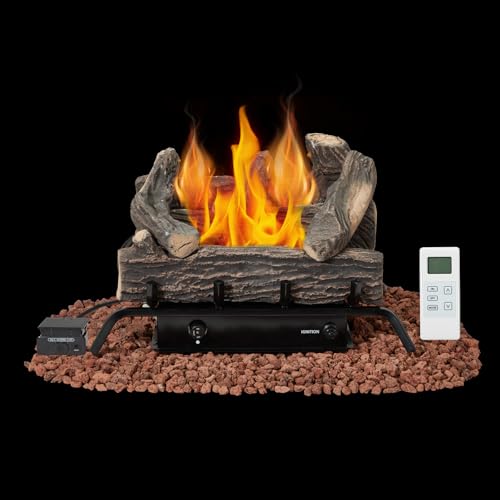
Gas Log Sets: For a lower-cost, less invasive upgrade, a ventless gas log set can be placed in your existing fireplace. However, they do not offer the efficiency or sealed combustion of a full insert. You can compare options in our guide to ventless gas log fireplace inserts with blower.
Frequently Asked Questions
Can I install a gas insert myself? While some homeowners with advanced skills may attempt a DIY installation, gas work and venting are complex and dangerous. Most manufacturers require professional installation to maintain the warranty. Our guide on DIY vs professional fireplace installation explains the risks.
How long does the conversion take? Typically one to two days. If a gas line needs to be run, it may take longer. See our article on fireplace installation time for more details.
Will a gas insert heat my whole house? A single gas insert is designed to heat a specific area, usually 1,000 to 1,500 square feet. For whole-home heating, you would need a central system. Learn more in our guide on whether a fireplace can heat an entire house.
Is it safe to leave a gas insert on overnight? Modern gas inserts are designed for safe operation, but you should follow the manufacturer's guidelines. Our article on leaving a fireplace on overnight discusses safety considerations.
Do gas inserts produce carbon monoxide? Like any combustion appliance, gas inserts produce trace amounts of CO, but proper venting ensures it is safely expelled. Learn about carbon monoxide signs from fireplaces to stay informed.