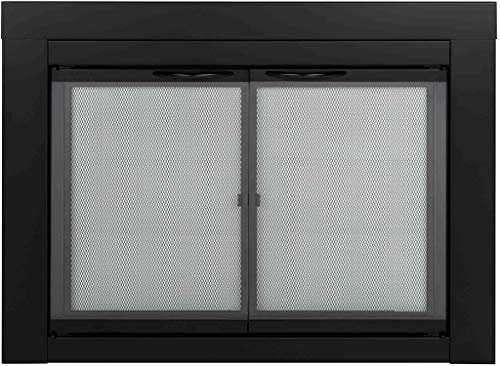
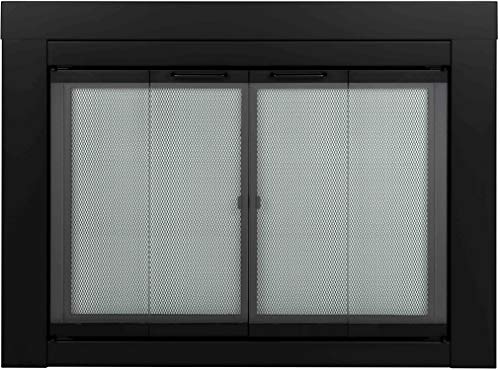
Gas Fireplace Insert with Glass Doors
Discover how a glass-front gas insert can transform your existing fireplace into an efficient, clean-burning, and visually stunning centerpiece.
Why Glass Doors Matter: A gas fireplace insert with glass doors is not just about aesthetics. The glass front plays a critical role in combustion efficiency, heat transfer, and safety. This guide will help you understand every aspect before you make a purchase.
What Is a Gas Fireplace Insert with Glass Doors?
A gas fireplace insert with glass doors is a self-contained unit designed to fit into an existing masonry or prefabricated fireplace. Unlike a traditional open hearth, this insert is sealed behind a pane of tempered or ceramic glass. The glass door serves multiple purposes: it contains the combustion process, prevents indoor air from being drawn up the chimney, and allows radiant heat to pass into the room while keeping harmful gases vented outside.
These inserts are available in natural gas and propane models, and they can be either vented or ventless. The glass front is a defining feature that separates them from traditional gas log sets, which are often open and less efficient. If you are exploring replacement glass fronts, you will find that they are widely available and can often be customized.
Key Benefits of a Glass-Front Gas Insert
Upgrading to a glass-front gas insert offers several advantages over an open fireplace or an old-fashioned gas log set. Here are the most important benefits:
- Superior Efficiency: The sealed glass door prevents heated room air from escaping up the chimney. This allows the insert to deliver more heat into your living space, often achieving efficiency ratings that are significantly higher than traditional open fireplaces. To understand how this translates into real-world performance, see our BTU guide.
- Cleaner Indoor Air: Because the combustion is sealed, no smoke, soot, or carbon monoxide enters your room. This is a major advantage for allergy sufferers and anyone concerned about indoor air quality. You can learn more about carbon monoxide safety to stay informed.
- Realistic Flame Appearance: Modern gas inserts with glass doors often feature highly realistic logs, glowing embers, and dancing flames. Some models even include glass rocks or crystals for a contemporary look.
- Safety: The glass door acts as a barrier, keeping children and pets away from the open flame. It also prevents embers from escaping, which is a concern addressed by ember safety guidelines.
- Convenience: Many models come with a remote control, thermostat, or even a smart Wi-Fi controller, allowing you to adjust the flame and heat output from your couch.
Types of Glass-Front Gas Inserts
Not all gas inserts with glass doors are the same. They differ primarily in how they vent and how they are controlled. Understanding these differences is crucial for making the right choice for your home.
Vented vs. Ventless (Vent-Free)
Vented inserts use a chimney or direct vent to expel combustion byproducts outside. They are generally more powerful and are required in some jurisdictions. If you have an existing chimney, a gas insert for a wood-burning fireplace is often a vented model. You can also find direct vent gas inserts with blowers for enhanced heat distribution.
Ventless inserts are designed to burn gas so cleanly that they do not require external venting. They are highly efficient but may not be legal in all areas. A ventless gas fireplace insert with a glass front is a popular choice for apartments and homes without a chimney. However, you must ensure proper ventilation requirements are met.
Manual vs. Remote vs. Smart Control
Basic models come with a manual control knob, often located behind the glass door or on the side of the unit. Mid-range and premium models typically include a remote control or a wall thermostat. For the ultimate convenience, consider a gas insert with a blower and thermostat, which automatically maintains your desired room temperature.
Efficiency and Performance: What to Expect
The efficiency of a gas insert with glass doors is measured by how much of the fuel's energy is converted into usable heat. While open fireplaces can be as low as 10% efficient, a modern glass-front insert can range from 70% to over 90% efficiency, depending on the model and venting type. This is a significant improvement that can lead to lower energy bills and a more comfortable home.
Key performance factors include:
- BTU Input: This is the amount of fuel the insert consumes. A higher BTU input generally means more heat output, but efficiency determines how much of that heat actually stays in your room. Use our guide on how to size a fireplace to determine the right BTU for your space.
- Blower: Many inserts include an optional or built-in blower. A propane insert with a blower can circulate heated air throughout the room more effectively. Learn more about blowers vs. fans to understand the difference.
- Glass Quality: Ceramic glass is superior to tempered glass because it withstands higher temperatures and provides better heat radiation. It is also easier to clean, as discussed in our guide on how to clean fireplace glass.
Installation: What You Need to Know
Installing a gas fireplace insert with glass doors is a job that should be handled by a professional. It involves working with gas lines, venting, and electrical connections, all of which have strict safety codes. However, understanding the process helps you plan and budget effectively.
The installation process generally involves:
- Inspection: A technician will inspect your existing fireplace and chimney to ensure they are suitable for an insert. This is similar to a chimney inspection.
- Gas Line Connection: A gas line must be run to the insert. If you are converting from wood, this is a key step in converting from wood to gas.
- Venting: For vented models, a liner or direct vent kit is installed. You can learn about components like a direct vent termination cap.
- Electrical: If the insert has a blower or electronic ignition, it will need a power source. A proper extension cord may be needed if an outlet is not nearby.
- Framing and Finishing: The insert is slid into place, and any gaps are sealed. For a clean look, you might consider professional gas insert installation.
For a detailed overview, see our installation guide. Before you begin, check if you need a permit.
Maintenance and Troubleshooting
A gas insert with glass doors is relatively low-maintenance, but regular care ensures safety and longevity. Here are some key tasks:
- Cleaning the Glass: Soot or haze can build up on the glass. Use a non-abrasive cleaner specifically designed for fireplace glass. Our guide on cleaning fireplace glass provides step-by-step instructions.
- Annual Inspection: Have a professional inspect the unit annually. This includes checking the gas fireplace components, the venting system, and the burner. This is part of a good maintenance schedule.
- Cleaning the Burner: Dust and debris can clog the burner ports. Learn how to clean a gas fireplace burner safely.
- Troubleshooting: If your fireplace won't light, it could be a pilot light issue. See our guide on what to do when a gas fireplace won't light or when the pilot light keeps going out. If you smell gas, follow safety protocols immediately, as outlined in our article on gas smells.
How to Choose the Best Gas Insert with Glass Doors
With so many options on the market, it helps to have a framework for your decision. Consider these factors:
| Factor | What to Look For |
|---|---|
| Venting | Vented for higher heat output and broader legal compliance; ventless for high efficiency and no chimney requirement. Check local codes. |
| BTU & Efficiency | Match BTU to your room size. Higher efficiency means more heat for less fuel. Look for AFUE or steady-state efficiency ratings. |
| Glass Type | Ceramic glass is more durable and heat-resistant than tempered glass. It also tends to stay cleaner. |
| Controls | Manual, remote, thermostat, or smart app. Choose based on your desired convenience level. |
| Blower | If you want to distribute heat effectively, especially in larger rooms, a blower is highly recommended. |
| Style | Choose from traditional log sets to contemporary glass rocks. The glass door itself can be framed in different finishes. |
| Brand & Warranty | Reputable brands offer better warranties and customer support. Tier descriptors: entry-level, mid-range, premium, luxury. |
For a broader perspective on choosing a fireplace, refer to our buying guide and our comparison of electric vs gas vs wood.
Ready to Upgrade Your Fireplace?
Explore our recommended gas fireplace inserts with glass doors below. These models are selected for their efficiency, design, and reliability.
View RecommendationsFrequently Asked Questions
Can a gas fireplace insert with glass doors heat a whole house?
While a single insert is typically designed to heat a specific room or zone, a high-efficiency model with a blower can contribute significantly to heating an open-concept space. For whole-house heating, it is usually part of a larger HVAC strategy. See our article on whether a fireplace can heat an entire house.
Are ventless gas inserts with glass doors safe?
Yes, when installed and maintained according to the manufacturer's instructions and local codes. They produce very low emissions, but they still require some ventilation. Always install a carbon monoxide detector. Learn about carbon monoxide signs.
How do I clean the glass on my gas insert?
Wait for the unit to cool completely. Use a soft cloth and a cleaner specifically made for fireplace glass. Avoid abrasive cleaners that can scratch the surface. Our guide on cleaning fireplace glass has more details.
Can I install a gas insert myself?
Gas work is dangerous and should only be performed by a licensed professional. While some aspects of framing or finishing might be DIY-friendly, the gas line connection and venting must be done by a qualified technician. See our discussion on DIY vs professional installation.
What is the lifespan of a gas fireplace insert?
A well-maintained gas insert can last 15 to 20 years or more. Regular servicing is key to maximizing its lifespan. See our article on fireplace lifespan for more information.