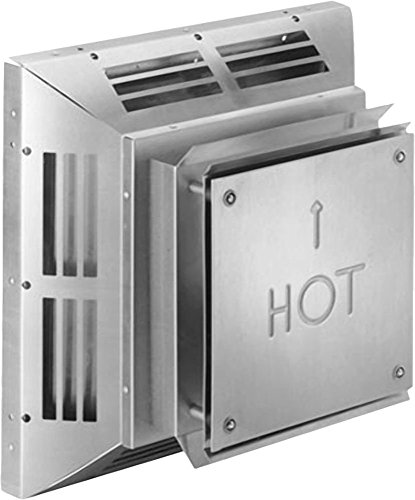
Direct Vent Fireplace Termination Cap: The Complete Guide
Everything you need to know about choosing, installing, and maintaining the termination cap for your direct vent fireplace system.
What Is a Direct Vent Fireplace Termination Cap?
A direct vent fireplace termination cap is the specialized fitting installed at the end of the vent pipe where it exits the home. This component might seem minor, but it plays a critical role in the overall performance, safety, and efficiency of your direct vent fireplace. Unlike traditional fireplaces that use indoor air for combustion, direct vent systems draw air from outside and exhaust combustion gases back outside through a single coaxial or dual-pipe system. The termination cap is the final piece of that system, and it must be matched correctly to your fireplace model and vent configuration.
The termination cap serves several essential functions. First, it protects the vent opening from weather infiltration — rain, snow, and wind can all cause problems if they enter the vent pipe. Second, it prevents debris, birds, and small animals from nesting or getting trapped inside the vent. Third, it helps maintain proper air pressure and draft, ensuring that combustion byproducts are safely expelled from the home. Without a properly functioning cap, your fireplace could experience downdrafts, poor combustion, and even safety hazards.
Understanding the role of the termination cap is especially important for homeowners who are researching direct vent gas fireplace inserts with blower or planning a new installation. The cap is not a universal part — it must be compatible with the specific brand and model of your fireplace, as well as the venting configuration. Using the wrong cap can void your warranty, reduce efficiency, and create safety risks.
Why the Termination Cap Matters for Your Fireplace System
The termination cap is often overlooked during fireplace maintenance, yet it is one of the most important components for safe and efficient operation. A properly installed and maintained cap ensures that your direct vent fireplace operates as designed, with the correct balance of intake and exhaust air. When the cap becomes clogged, damaged, or corroded, the entire system can suffer.
One of the most common problems homeowners face is fireplace smoke problems caused by a blocked or faulty termination cap. If the cap is obstructed by a bird's nest or debris, exhaust gases cannot escape properly, leading to smoke spilling into the room. This is not only unpleasant but also a potential health hazard, as combustion byproducts can include carbon monoxide. Regular inspection of the cap is therefore an essential part of your fireplace maintenance schedule.
Another issue is how to stop cold air from coming down your chimney. A damaged or incorrectly sized termination cap can allow cold outdoor air to flow back into the vent, creating a downdraft that makes the fireplace harder to light and less efficient. In some cases, a downdraft can also cause musty or dusty fireplace smells when the fireplace is not in use. Choosing the right cap and maintaining it properly is the best defense against these problems.
For homeowners who are considering a new installation or replacing an old unit, understanding the termination cap is part of the broader fireplace buying guide. It is also relevant when evaluating the most energy-efficient fireplace types, as the venting system directly impacts overall efficiency. A high-efficiency fireplace paired with a subpar termination cap will not perform as well as it could.
Types of Direct Vent Termination Caps
Termination caps come in several designs, each suited to different installation scenarios and venting configurations. Understanding the differences will help you choose the right replacement or ensure your new installation is correct.
Horizontal Termination Cap
Used when the vent pipe exits through a side wall. This is the most common configuration for direct vent fireplaces in modern homes. Horizontal caps are designed to prevent wind-driven rain from entering and often include a built-in baffle or louvered design to manage airflow.
Vertical Termination Cap
Used when the vent pipe exits through the roof. These caps are designed to handle rain and snow, and they often include a spark arrestor and a rain shield. Vertical caps are common in homes where a horizontal exit is not feasible or where local codes require it.
Snorkel Termination Cap
A specialized cap used when the vent must exit above grade but below the expected snow line, or when the vent is installed in a location where a standard horizontal cap would be too close to the ground. The snorkel design raises the termination point to a safer height.
High-Wind Termination Cap
Designed for coastal or windy areas, these caps have a more robust construction and a specialized shape that reduces the risk of wind-induced downdrafts. They are often required by local building codes in high-wind zones.
In addition to these main types, there are also caps designed for specific venting materials, such as those used with stainless steel chimney liners for wood burning fireplaces, though direct vent systems typically use coaxial or flexible aluminum venting. It is crucial to match the cap to both the vent type and the fireplace manufacturer's specifications.
Installation and Placement Guidelines
Proper installation and placement of the termination cap are critical for safety and performance. The cap must be installed at the correct height and distance from windows, doors, and other openings, as specified by the manufacturer and local building codes. These clearances prevent exhaust gases from re-entering the home and ensure adequate draft.
For horizontal terminations, the cap is typically installed at least 12 inches above grade and at least 12 inches from any opening in the building. However, these distances can vary by manufacturer and local code, so always consult the installation manual. If you are planning a DIY gas fireplace installation, be especially careful to follow all venting requirements — improper venting is a common cause of carbon monoxide from fireplace problems.
Vertical terminations must extend above the roof line by a minimum distance, usually at least 2 feet, and sometimes more depending on the roof pitch and local code. The cap must be securely fastened and sealed to prevent leaks. If you are unsure about the correct placement, it is best to consult a professional, as incorrect installation can lead to chimney or vent issues that are costly to fix.
For those who are converting an existing fireplace, such as converting from wood to gas fireplace, the termination cap must be compatible with the new venting system. This is often overlooked during conversions, leading to performance issues. Similarly, when converting a wood burning fireplace to electric, a termination cap may no longer be needed, but the existing vent should be properly sealed.
If you are installing a new fireplace as part of a larger renovation, you may also be considering installing a zero clearance fireplace. In this case, the termination cap is just one part of the overall venting plan, which must be designed and installed according to the manufacturer's instructions.
Maintenance and Troubleshooting
Like any part of your fireplace system, the termination cap requires regular inspection and maintenance. The good news is that this is a relatively simple task that can be incorporated into your annual fireplace inspection. Here are the key steps:
- Visual Inspection: From the ground, use binoculars to check the cap for visible damage, rust, or blockages. If you can safely access the cap, inspect it more closely.
- Check for Obstructions: Remove any bird nests, leaves, or debris that may have accumulated. This is especially important in the fall before the heating season.
- Look for Corrosion: Rust or corrosion can weaken the cap and cause it to fail. If you see significant corrosion, replacement is usually necessary.
- Verify Secure Attachment: Ensure the cap is securely fastened to the vent pipe. A loose cap can rattle in the wind or even fall off, creating a serious safety hazard.
- Check Clearances: Ensure that vegetation, such as shrubs or tree branches, has not grown too close to the cap. Maintain the clearances specified by the manufacturer.
If you notice any issues during your inspection, address them promptly. A damaged cap can lead to smoke problems, draft problems, and even a fireplace that makes the room colder. If you are uncomfortable performing the inspection yourself, or if the cap is difficult to access, it is best to call a professional. Regular maintenance can also help you avoid hidden costs of owning a fireplace down the line.
For gas fireplaces, it is also important to have the entire system inspected by a qualified technician. This includes checking the gas fireplace inspection points, such as the burner, pilot, and venting. An annual service can catch small issues with the termination cap before they become major problems.
How to Choose the Right Termination Cap
Choosing the correct termination cap for your direct vent fireplace is not a one-size-fits-all decision. Here are the key factors to consider:
- Manufacturer Compatibility: The cap must be compatible with your fireplace brand and model. Using an aftermarket cap that is not approved by the manufacturer can void your warranty and may not perform correctly.
- Vent Configuration: Determine whether your vent is horizontal or vertical, and choose a cap designed for that orientation. Snorkel caps are a specialized option for certain installations.
- Material and Durability: Look for caps made from corrosion-resistant materials, such as stainless steel or powder-coated aluminum. These will last longer and perform better in harsh weather.
- Local Codes and Climate: Check local building codes for any specific requirements, especially in high-wind or coastal areas. In snowy climates, a vertical cap or a snorkel may be required to prevent blockage.
- Ease of Maintenance: Some caps are designed for easier cleaning and inspection. If you plan to do your own maintenance, look for a cap that is simple to remove and reinstall.
When in doubt, consult the installation manual that came with your fireplace. It will specify the exact part number and type of termination cap required. If you are replacing an existing cap, you can often find the model number on the old cap itself or in the manual. For those who are still in the research phase, understanding the termination cap is part of the broader fireplace ventilation requirements that every homeowner should know.
If you are comparing different fireplace types, such as when reviewing electric vs gas vs wood fireplace comparison, keep in mind that direct vent systems are specific to gas and some wood-burning appliances. Electric fireplaces do not require venting, so a termination cap is not applicable. However, if you are considering converting a wood burning fireplace to gas logs, you will need to ensure the venting system, including the termination cap, is compatible with the new gas appliance.
Common Mistakes to Avoid
Many homeowners run into problems with their direct vent termination cap because of a few common mistakes. Being aware of these can save you time, money, and frustration.
- Using a Universal Cap: Not all caps are interchangeable. Using a generic cap that is not approved for your fireplace can lead to poor performance and safety issues.
- Ignoring Clearances: Installing the cap too close to a window, door, or fresh air intake can cause exhaust to re-enter the home. Always follow the manufacturer's clearance requirements.
- Skipping Annual Inspections: The cap is exposed to the elements year-round. Without an annual check, small issues can become big problems, such as a blocked vent or a rusted cap that falls off.
- DIY Installation at Height: If your cap is on a roof or high wall, DIY installation can be dangerous. It is worth hiring a professional for safety and to ensure the job is done correctly.
- Not Replacing a Damaged Cap Promptly: A damaged cap can allow water into the vent, which can damage the entire fireplace system. Replace it as soon as you notice a problem.
By avoiding these mistakes, you can ensure your direct vent fireplace operates safely and efficiently for years to come. If you are unsure about any aspect of your venting system, it is always better to consult a qualified professional. They can also help you with related tasks, such as gas fireplace insert and installation or replacing the thermocouple on a gas fireplace.
Frequently Asked Questions
What is a direct vent fireplace termination cap?
A direct vent fireplace termination cap is the specialized fitting installed at the end of the vent pipe where it exits the home. It protects the vent from weather, prevents debris and animals from entering, and helps maintain proper air pressure for the direct vent system to function efficiently.
How often should a termination cap be inspected?
A termination cap should be inspected at least once a year, ideally before the heating season begins. This is part of your annual fireplace inspection and helps ensure the cap is free from blockages, corrosion, or damage.
Can I replace a termination cap myself?
Replacing a termination cap is generally a straightforward DIY task if you have the correct replacement part and basic tools. However, if the cap is located on a roof or requires working at height, it is strongly recommended to hire a professional for safety reasons.
What are the signs that a termination cap needs replacement?
Signs include visible rust or corrosion, cracks or holes in the cap, bird nests or debris blocking the vent, a loose or missing cap, water stains around the vent opening, and noticeable changes in fireplace performance such as poor draft or unusual smells.
Does a termination cap affect fireplace efficiency?
Yes, a properly functioning termination cap is essential for fireplace efficiency. It prevents downdrafts, keeps rain and debris out, and ensures the correct air-to-fuel ratio. A damaged or incorrect cap can lead to poor combustion, reduced heat output, and higher energy consumption.
Final Thoughts
The direct vent fireplace termination cap is a small but vital component of your fireplace system. It protects your home, ensures efficient operation, and contributes to the safety of your entire household. By understanding the different types of caps, following proper installation guidelines, and performing regular maintenance, you can avoid common problems and enjoy your fireplace with confidence.
If you are in the process of choosing a new fireplace or upgrading an existing one, remember that the venting system — including the termination cap — should be a key part of your decision-making process. Whether you are exploring small gas fireplaces for small spaces or a larger direct vent gas fireplace insert with blower, the termination cap must be matched correctly to the appliance and the installation environment.
For more information on related topics, explore our guides on fireplace maintenance, fireplace troubleshooting, and fireplace FAQ. With the right knowledge and a little attention, your direct vent fireplace will provide warmth and ambiance for many years.