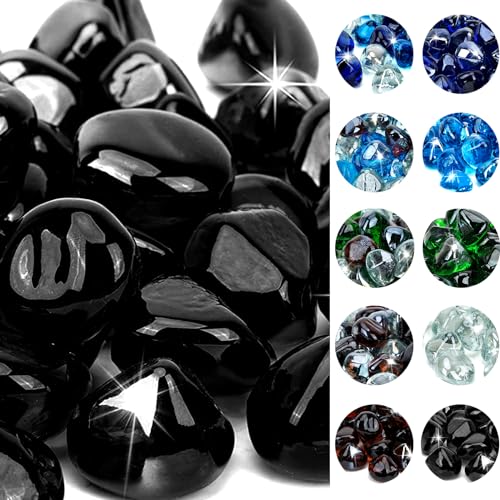
Indoor Gas Fireplace with Glass Rocks
Discover how fire glass transforms a standard gas fireplace into a stunning focal point. This comprehensive guide covers everything from design ideas and safety to installation and long-term maintenance.
What Is an Indoor Gas Fireplace with Glass Rocks?
An indoor gas fireplace with glass rocks is a modern heating and decorative appliance that uses natural gas or propane to create a controlled flame. Instead of traditional ceramic logs or faux wood, the burner is covered with tempered glass pieces—often called fire glass, crystal fire beads, or glass media. These glass rocks are specifically engineered to withstand high temperatures without melting, cracking, or releasing harmful fumes.
The result is a clean, contemporary look that reflects the flames and creates a shimmering effect. This design approach has become increasingly popular in modern homes because it eliminates the ash, soot, and maintenance associated with wood-burning fireplaces while offering a more customized aesthetic than traditional gas logs. If you are new to fireplace ownership, understanding the fundamentals of how fireplaces work is a helpful first step before committing to a specific type.
Glass rocks are available in a wide range of colors, shapes, and sizes—from small crushed pieces to large, polished gems. This versatility allows homeowners to match the fireplace to their interior design, whether the goal is a sleek minimalist look or a warm, cozy atmosphere. Many modern units are designed to be built-in or freestanding, giving you flexibility in how you integrate the fireplace into your room.
Why Choose Glass Rocks Over Traditional Logs?
Glass rocks offer distinct advantages over traditional ceramic logs or lava rocks. The most obvious benefit is visual: glass reflects light and creates a more dynamic, contemporary flame pattern. But the benefits extend beyond aesthetics.
Advantages
- Modern, clean aesthetic that suits contemporary interiors
- No ash, soot, or creosote buildup
- Does not degrade or discolor over time like some logs
- Available in dozens of colors to match your decor
- Reflects heat more evenly in some designs
- Easy to replace or rearrange for a new look
Considerations
- Higher initial cost than basic lava rocks
- Not ideal for those who prefer a traditional wood-fire look
- Requires careful placement to avoid blocking burner ports
- Some very small glass pieces can be messy to handle
For homeowners who value a sleek, modern design, glass rocks are often the preferred choice. They work particularly well in contemporary fireplace designs where clean lines and reflective surfaces are emphasized. However, if your goal is to replicate the ambiance of a traditional wood fire, you may prefer ceramic logs—many modern fireplaces allow you to swap media, so you are not locked into one choice forever.
Vented vs. Ventless Gas Fireplaces with Glass Rocks
Before choosing glass rocks, you must understand the two main categories of indoor gas fireplaces: vented and ventless. Your choice affects installation requirements, indoor air quality, and heating efficiency.
Vented Gas Fireplaces
Vented models exhaust combustion byproducts through a chimney or flue to the outdoors. They are generally safer for indoor air quality and are required in some jurisdictions. Because they draw air from the room and send it outside, they can be less efficient as heaters, but they produce a more realistic flame and are suitable for larger glass media arrangements. If you are considering a vented unit, review the gas fireplace installation requirements to understand venting and clearance needs.
Ventless (Vent-Free) Gas Fireplaces
Ventless fireplaces burn gas so cleanly that they do not require an external vent. They are highly efficient because almost all heat stays in the room. However, they do release some moisture and trace combustion byproducts, so they are not suitable for every home—especially smaller, tightly sealed rooms. Many ventless models are designed specifically for glass media, and you can find specialized ventless gas fireplace inserts with a glass front that showcase the fire glass beautifully.
| Feature | Vented | Ventless |
|---|---|---|
| Installation | Requires chimney or flue | No venting required |
| Heating Efficiency | Lower (heat escapes) | Higher (heat stays indoors) |
| Indoor Air Quality | Excellent | Good, but requires ventilation |
| Flame Realism | High | Moderate to High |
| Best For | Larger rooms, existing chimneys | Apartments, rooms without vents |
For a deeper comparison of heating capabilities, see our guide on fireplace heating capacity and BTU to determine what size unit your space requires.
Design Ideas & Color Schemes for Glass Rocks
One of the biggest advantages of glass rocks is the ability to customize the look. Here are some popular approaches:
Color Coordination
Choose glass colors that complement your room's palette. Clear or crystal glass creates a neutral, elegant look that works with any decor. Amber and copper tones add warmth, while blue, green, and black glass create a bold, modern statement. For a cohesive design, consider matching the glass to accent pillows, artwork, or modern mantel designs.
Mixing Media
You are not limited to a single type of glass. Many designers mix glass rocks with lava rocks, ceramic logs, or metal fireballs to create texture and depth. This layered approach can make the flame appear more dynamic. Just ensure that any media you add is rated for gas fireplace use.
Placement and Depth
The depth of the glass layer affects flame appearance. A thin layer (one to two inches) produces a more subtle, ribbon-like flame, while a deeper bed can create a fuller, more dramatic fire. Always follow the manufacturer's guidelines for your specific burner to avoid obstructing airflow. For inspiration on how fireplaces integrate with room layouts, explore design ideas for small living rooms with a fireplace—glass rocks can help a small fireplace feel less bulky.
Installation & Safety Considerations
Installing a gas fireplace with glass rocks is not a casual DIY project unless you are experienced with gas lines and local codes. Most jurisdictions require a licensed professional for gas connection and venting. Even for ventless units, proper clearance from combustibles and adequate room ventilation are critical.
Before installation, review the fireplace installation guide overview and check whether you need a permit for your fireplace. Safety should always come first: ensure your fireplace is installed with the correct clearances, and never block the burner or air intakes with glass media.
Key Safety Tips
- Always use glass media specifically rated for gas fireplaces. Decorative glass not intended for high heat can shatter or release toxins.
- Keep the glass rocks clean and free of dust, which can cause sooting.
- Do not overfill the burner area; follow the manufacturer's instructions for media depth.
- Install carbon monoxide detectors in the same room as any gas appliance. Learn to recognize signs of carbon monoxide from a fireplace.
- Maintain the recommended distance between furniture and the fireplace—see our guide on how close furniture can be.
If you are replacing an existing wood-burning fireplace, you may want to explore the process of converting from wood to gas, which often involves installing a gas insert and switching to glass media.
Maintenance & Care for Glass Rock Fireplaces
One of the main reasons homeowners choose glass rocks is low maintenance. Unlike wood, glass does not produce ash or creosote. However, some routine care will keep your fireplace looking its best.
Cleaning the Glass Rocks
Over time, dust and minor soot can dull the glass. Most fire glass can be removed, rinsed with warm water and a mild dish soap, and dried thoroughly before returning to the fireplace. Avoid abrasive cleaners that could scratch the surface. For detailed steps on cleaning the fireplace glass panel (the viewing window), see our guide on how to clean fireplace glass.
Burner and Vent Care
Keep the burner ports free of debris. If you notice uneven flames or a weak flame, it may be due to blocked ports or a dirty burner—see our troubleshooting article on a weak flame on a gas fireplace. For ventless units, follow the manufacturer's cleaning schedule for the oxygen depletion sensor and other safety components. An annual professional inspection is recommended for all gas fireplaces; learn what to expect in our annual fireplace inspection guide.
Proper maintenance extends the life of your fireplace. For a broader overview, visit our gas fireplace maintenance guide.
Ready to Transform Your Space?
Explore our recommended indoor gas fireplaces with glass rocks below. These models are selected for their quality, efficiency, and design versatility.
View RecommendationsFrequently Asked Questions
Can I use any glass in my gas fireplace?
No. Only use tempered glass media specifically designed for gas fireplaces. Regular decorative glass can shatter or release harmful fumes when exposed to high heat.
How often should I clean the glass rocks?
Inspect them monthly and clean as needed—typically every few months with normal use. If you notice dullness or soot buildup, a gentle wash will restore their shine.
Does a glass rock fireplace produce enough heat?
Yes, the heating capacity depends on the BTU rating of the unit, not the media. Glass rocks do not reduce heat output. See our BTU guide for sizing.
Can I convert my existing gas log fireplace to glass rocks?
In many cases, yes—if the burner is compatible. Check your owner's manual or consult a professional. You may need to replace the burner or adjust the media depth.
Are ventless gas fireplaces with glass rocks safe?
When installed and maintained correctly, yes. They are designed to burn efficiently, but they require adequate room ventilation and should never be used in small, sealed spaces without following the manufacturer's guidelines.