Gas Fireplace Insert and Installation: The Complete Guide
Are you looking to transform your existing, inefficient wood-burning fireplace into a convenient, high-efficiency heat source? A gas fireplace insert is the perfect solution. This comprehensive guide covers everything you need to know about choosing, buying, and installing a gas insert, helping you make an informed decision for your home.
What Exactly Is a Gas Fireplace Insert?
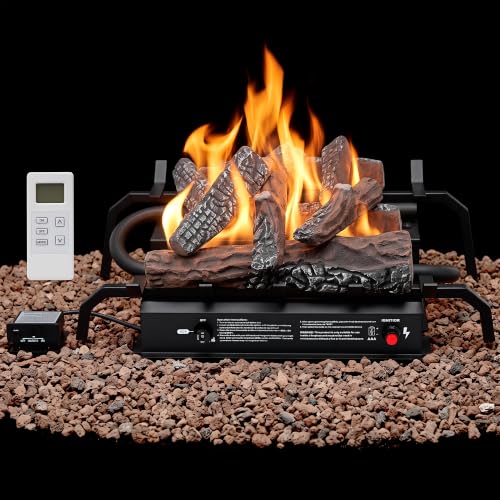
A gas fireplace insert is a self-contained unit designed to be fitted into an existing masonry or prefabricated fireplace opening. Unlike a traditional open fireplace, which is notorious for sending most of its heat up the chimney, an insert is a sealed system that dramatically improves heating efficiency. It typically consists of a firebox, a gas burner, artificial logs or stones, and a heat exchanger.
The primary purpose of an insert is to convert your old, drafty fireplace into a powerful zone heater. They are available in two main venting configurations: direct vent (which pulls in outside air for combustion and vents exhaust outside) and ventless (which burns gas so cleanly it requires no external venting). To understand how this fits into the broader category of home heating, see our guide on types of fireplaces explained.
If you're still in the early stages of research, our beginner's guide to fireplaces provides a solid foundation. For those specifically interested in the clean-burning options, exploring the nuances of a shallow ventless gas fireplace insert can be particularly helpful for smaller spaces.
Why Choose a Gas Insert? Key Benefits
Upgrading to a gas insert offers a multitude of advantages over a traditional wood-burning fireplace. The most significant is the dramatic increase in heating efficiency, which can rise from a dismal 10% to over 80%. This means more heat for your home and less energy waste.
Other major benefits include:
- Convenience: No more chopping wood, hauling logs, or cleaning up ashes. You can start a fire with the push of a button or a remote control.
- Cleaner Operation: Gas burns much cleaner than wood, producing fewer emissions and no creosote buildup in your chimney.
- Consistent Heat: Many models come with thermostats and blowers, allowing you to maintain a steady, comfortable temperature in your room.
- Aesthetics: Modern gas inserts feature incredibly realistic flames, glowing embers, and realistic logs, rivaling the look of a real wood fire. Some models even offer indoor gas fireplace with glass rocks for a contemporary look.
For a deeper dive into efficiency, compare the operational differences in our electric vs gas vs wood fireplace comparison.
Choosing the Right Type of Gas Insert
When selecting a gas insert, you'll primarily be choosing between venting options and fuel types. Each has its own set of requirements and benefits. Understanding these differences is crucial for a successful installation.
Venting Options: Direct Vent vs. Ventless
Direct Vent Inserts: These are the most popular choice. They use a dual-pipe system: one pipe draws in outside air for combustion, and the other exhausts the byproducts. This creates a sealed system that doesn't use your home's indoor air and provides excellent efficiency. They require a vertical or horizontal termination outside your home. You can learn more about the components in our article on direct vent fireplace termination caps.
Ventless (or Vent-Free) Inserts: These are highly efficient (approaching 100%) because they don't lose any heat through a vent. However, they release a small amount of water vapor and carbon dioxide into the room. Many are equipped with an oxygen depletion sensor (ODS) for safety. They are ideal for homes where installing a vent is difficult or impossible. A popular option is the ventless propane gas fireplace insert.
The choice between these two often depends on your home's structure. Our guide on whether you need a chimney or vent can help clarify the requirements.
Fuel Type: Natural Gas vs. Propane
Gas inserts run on either natural gas (NG) or liquid propane (LP). Your choice is typically determined by what is already available in your home. If you have a natural gas line, connecting an NG insert is straightforward. If you live in a rural area without NG access, a propane insert is the way to go, requiring an on-site propane tank and a line to the fireplace.
When comparing models, you might see options like a gas fireplace insert with glass front or one with a blower for better heat distribution, such as a propane fireplace insert with a blower.
The Installation Process: A Step-by-Step Overview
Installing a gas fireplace insert is a complex job that should be handled by a licensed professional. Attempting a DIY gas installation is dangerous and often illegal. However, understanding the process helps you plan and communicate with your installer. For general preparation, see our fireplace installation guide overview.
The general steps involve:
- Inspection and Preparation: The installer will inspect your existing fireplace and chimney to ensure they are structurally sound and clean. They will also confirm the correct size for the new insert.
- Gas Line Installation: A dedicated gas line is run from your home's main supply to the fireplace location. This is a critical step that must be performed by a licensed plumber or gas fitter.
- Venting (for Direct Vent Models): A vent pipe is routed from the insert either up through the existing chimney (with a liner) or horizontally out through an exterior wall.
- Insert Placement and Connection: The insert is slid into the fireplace opening, and the gas and vent lines are connected. The unit is then secured in place.
- Testing and Finalizing: The installer will test all connections for leaks, check the flame pattern, and install the front face, logs, and other decorative elements. They will also demonstrate how to operate the unit safely.
To get a better idea of the complexity, you might want to read about DIY vs professional fireplace installation.
Sizing and Efficiency: Getting It Right
Choosing the correct size for your gas insert is crucial. An insert that is too small won't heat your space effectively, while one that is too large will cycle on and off frequently, wasting energy and causing temperature fluctuations. The key metric is BTU (British Thermal Units) output. Our detailed guide on heating capacity and the BTU guide explains how to calculate your needs.
A simple rule of thumb is that you need roughly 20-30 BTUs per square foot of space you want to heat, depending on your climate and insulation. For a more precise calculation, use our how to size a fireplace guide and worksheet.
Modern gas inserts are highly efficient. Look for models with a high Annual Fuel Utilization Efficiency (AFUE) rating. Features like a blower, which circulates air around the hot firebox and into the room, and a thermostat for precise temperature control, can further enhance performance. Explore the most efficient options in our article on most energy-efficient fireplace types.
Understanding the Investment: Cost Factors
The total investment for a gas fireplace insert and its installation involves several components. While the exact figures vary by region and model, you can expect to consider the following:
- Unit Cost: The price of the insert itself. Entry-level models are functional, while mid-range and premium units offer more realistic flames, better controls, and higher heat output.
- Installation Labor: This is often a significant portion of the cost, covering the expertise of a licensed gas fitter, electrician, and general installer.
- Venting Materials: For direct vent models, the cost of the vent pipe, termination cap, and any chimney liner required.
- Gas Line Extension: If a new gas line needs to be run to the fireplace, this will be an additional plumbing cost.
- Optional Accessories: Blowers, remote controls, thermostats, and decorative media like glass or stones.
For a more detailed breakdown of potential expenses, our article on how much a fireplace costs is a valuable resource. It's also wise to consider the cost of gas fireplace insert and installation specifically as a line item in your home improvement budget.
Remember that while the upfront investment can be considerable, the long-term savings from increased heating efficiency and the added value to your home can make it a worthwhile upgrade. You can explore the hidden costs of owning a fireplace to be fully prepared.
Maintenance and Troubleshooting Basics
A gas insert is relatively low-maintenance compared to a wood-burning fireplace, but it's not maintenance-free. An annual professional inspection is highly recommended to ensure it's operating safely and efficiently. This is covered in our guide to annual fireplace inspections and our gas fireplace inspection key points.
Regular care includes cleaning the glass (using a specific how to clean fireplace glass guide), dusting the vents, and occasionally cleaning the burner assembly. For a full checklist, refer to our gas fireplace maintenance guide. If you ever encounter issues, our troubleshooting section can help you diagnose common problems like a gas fireplace that won't light or a pilot light that keeps going out. If you ever smell gas, immediately follow safety procedures as outlined in our article on what to do if your fireplace smells like gas.
Frequently Asked Questions (FAQ)
Can a gas insert heat my entire house?
A gas insert is designed as a zone heater, primarily for the room it's in. While a powerful unit in an open-concept home can provide some supplemental heat to adjacent areas, it is not a replacement for a central heating system. For more details, see our article on whether a fireplace can heat an entire house.
Do I need a chimney for a gas insert?
Not always. Direct vent inserts need a way to vent exhaust and intake air, which can be done through an existing chimney or horizontally through an exterior wall. Ventless inserts do not require any chimney or vent. This is a common question, and our guide on do fireplaces need a chimney provides more clarity.
How long does installation take?
A typical installation by a professional team can take anywhere from a few hours to a full day, depending on the complexity of the job. Factors include whether a new gas line or a venting system needs to be installed. Our article on fireplace installation time offers more insight.
Can I install a gas fireplace insert myself?
No, we strongly advise against it. Installing a gas appliance involves working with gas lines and venting, which requires specialized knowledge, tools, and licenses. An improper installation can be a serious safety hazard. Learn about the differences in our DIY vs Pro installation guide.
What if my old fireplace is wood-burning?
A gas insert is specifically designed to be retrofitted into an existing wood-burning fireplace. The process involves converting the fireplace from wood to gas, which is a common and well-established procedure. Our article on gas fireplace insert for a wood-burning fireplace explains this in detail.