Extension Cord for Electric Fireplace: The Complete Safety Guide
Ensure your electric fireplace is powered safely and efficiently. Learn how to choose the right extension cord to prevent hazards and maximize performance.
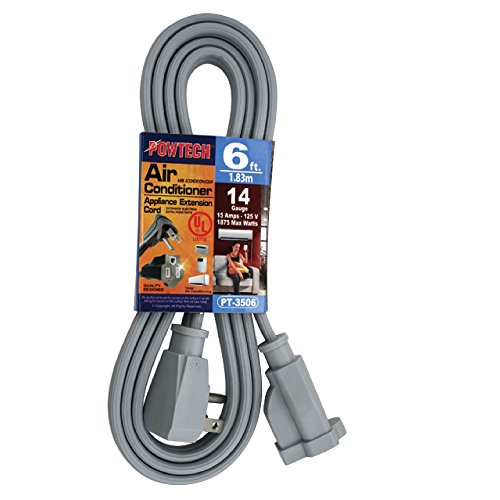
Learn Safety FirstQuick Answer: For an electric fireplace, you need a heavy-duty, 14-gauge or 12-gauge extension cord rated for at least 15 amps. A standard 16-gauge cord is unsafe and can overheat. Always use the shortest cord possible and never daisy-chain them.
Why an Electric Fireplace Needs a Special Extension Cord
Electric fireplaces are powerful appliances that draw a significant amount of electricity, often between 1,500 and 5,000 watts. This high power demand is why you cannot simply use any extension cord you find in your garage. A standard, lightweight cord is designed for low-power devices like lamps or phone chargers. When connected to a high-wattage appliance, a standard cord can overheat, melt, and potentially cause a fire. The safety of your home depends on choosing a cord that can handle the load.
Understanding your fireplace's power needs is the first step. If you're unsure about the electrical requirements, our guide on heating capacity and BTU can help you understand the relationship between power and heat output. For a more detailed look at how electric fireplaces work, you can read our beginner's guide.
Key Factors for Choosing the Right Extension Cord
When selecting an extension cord for your electric fireplace, three critical specifications matter most: wire gauge, amperage rating, and cord length.
- Wire Gauge (AWG): This measures the thickness of the wire inside the cord. The lower the number, the thicker the wire and the more current it can safely carry. For electric fireplaces, a 14-gauge (14 AWG) or 12-gauge (12 AWG) cord is required. A 16-gauge cord is too thin and unsafe. You can think of 14-gauge as the "mid-tier" for heavy-duty cords and 12-gauge as the "top-tier" for the most demanding appliances.
- Amperage Rating: This indicates the maximum current the cord is designed to handle. Most electric fireplaces require a 15-amp circuit. Your extension cord must be rated for at least 15 amps, but a 20-amp rating provides an extra margin of safety. This is not a place to cut corners.
- Cord Length: Longer cords experience a voltage drop, which means the appliance receives less power than it needs. This can cause the fireplace to underperform and the cord to overheat. Always choose the shortest cord that reaches your outlet. If you need a longer run, consider having a new outlet installed closer to the fireplace. A qualified electrician can assess your situation, especially if you are considering a new installation, as discussed in our installation guide.
Understanding Amp & Watt Requirements
To choose the correct cord, you need to know your fireplace's power consumption, which is measured in watts or amps. This information is usually on a label on the fireplace itself or in the owner's manual. If you only have the wattage, you can calculate amps using this simple formula: Amps = Watts / Volts (in the US, standard voltage is 120V). For example, a 1,500-watt fireplace draws 12.5 amps (1500 / 120 = 12.5). Since most household circuits are 15 amps, a cord rated for 15 amps is the absolute minimum. However, it's always safer to use a 12-gauge cord rated for 20 amps to handle the load with less strain.
This principle also applies to other high-power home appliances. For instance, if you are looking at a wood burning stove insert with blower, the blower fan is a much smaller electrical load, but it still requires a safe connection. The core principle remains: match the cord's capacity to the appliance's demand.
Safety Rules and Best Practices
Using an extension cord with a high-power appliance like an electric fireplace requires diligence. Following these rules will help prevent electrical hazards:
- Never Daisy-Chain: Do not plug one extension cord into another to get more length. This is a major fire hazard.
- Do Not Run Under Rugs: Heat can build up under a rug, and the cord can be damaged by foot traffic, leading to a fire.
- Unplug When Not in Use: Even when turned off, some fireplaces draw a small amount of power. Unplugging it when you're away or asleep eliminates this risk.
- Check for Damage: Regularly inspect the cord for cracks, frays, or damage to the plugs. If you find any, replace the cord immediately.
- Use a GFCI Outlet: A Ground Fault Circuit Interrupter (GFCI) outlet is designed to shut off power if it detects a ground fault, protecting you from electric shock. This is especially important in areas that might be damp.
Proper maintenance of your fireplace also includes ensuring its electrical components are sound. If you notice any issues, refer to our guide on electric fireplace maintenance for tips. A common problem like an electric fireplace not heating can sometimes be related to power supply issues. Furthermore, if your fireplace is causing a circuit breaker to trip, this is a serious sign of an overloaded circuit or a faulty appliance. Our article on an electric fireplace tripping the breaker explains this in detail. Safety should always be the priority, and using the correct extension cord is a critical part of that.
The Bottom Line on Extension Cords
While it's always best to plug your electric fireplace directly into a wall outlet, a properly rated heavy-duty extension cord can be a safe solution when necessary. Choose a 14-gauge or 12-gauge cord rated for at least 15 amps, keep it as short as possible, and never daisy-chain. By following these guidelines, you can enjoy the warmth and ambiance of your electric fireplace without compromising on safety. Remember, the small investment in the right cord is a small price to pay for peace of mind. If you are still in the process of selecting a fireplace, our article on which fireplace is right for your home can help you narrow down the options.