
Fireplace Safety: The Complete Guide to Safe Fireplace Use
Protect your home and family with essential fireplace safety practices. Learn clearance rules, carbon monoxide prevention, safe operation for every fireplace type, and maintenance tips that prevent accidents before they happen.
Get the Safety ChecklistWhy Fireplace Safety Matters: According to the NFPA, heating equipment is the second leading cause of home fires in the United States. Chimneys and fireplaces account for a significant portion of these incidents. Most fireplace-related accidents are completely preventable with proper installation, regular maintenance, and safe operating habits.
Home fires caused by heating equipment could be prevented with annual inspections and proper clearance.
Fireplace Clearance Rules: The First Line of Defense
Clearance is the single most important safety concept for any fireplace. It refers to the minimum distance between the fireplace and any combustible material. These distances are not suggestions—they are requirements based on building codes and manufacturer specifications.
Front Clearance
Keep all furniture, rugs, curtains, and decorations at least 3 feet (36 inches) away from the fireplace opening. For optimal safety, extend this to 5 feet in high-traffic areas.
- Never place a rug directly in front of the hearth
- Keep throw pillows and blankets off the hearth
- Position furniture so it cannot tip toward the fire
Side & Top Clearance
Maintain at least 6 inches of clearance on the sides and top of the fireplace unless the manufacturer specifies otherwise. Built-in cabinetry and shelving must respect these distances.
- Check your fireplace manual for specific clearances
- Use non-combustible materials for surrounds
- Keep decorations away from the firebox opening
Mantel & Wall Clearance
If you have a mantel, ensure it is at least 12 inches above the fireplace opening. The wall above the fireplace should be made of non-combustible material for at least 12 inches in all directions.
- Use a fireplace mantel heat shield if clearance is tight
- Never hang stockings or decorations that dangle into the firebox
- Consider a fireplace heat shield for extra protection
Floor Protection
The hearth must extend at least 16 inches in front of the fireplace and 8 inches beyond each side. This protects your flooring from sparks and embers.
- Use non-combustible hearth materials (stone, tile, brick)
- Ensure the hearth is in good condition with no cracks
- Never cover the hearth with carpet or flammable rugs
⚠️ Critical Clearance Warning
Never assume your fireplace is safe just because it "looks" fine. Clearance requirements vary by fireplace type, model, and local building codes. Always consult your owner's manual and local building department for specific requirements. If you are unsure, hire a certified chimney sweep or fireplace inspector to assess your setup.
Carbon Monoxide: The Invisible Threat
Carbon monoxide (CO) is a colorless, odorless gas produced by incomplete combustion in fuel-burning fireplaces. It is the leading cause of poisoning deaths in the United States, and fireplaces are a common source. Understanding how to prevent CO buildup is non-negotiable for any homeowner with a gas, wood, propane, or ethanol fireplace.
Install CO Detectors
Install a carbon monoxide detector on every level of your home and outside each sleeping area. Test them monthly and replace batteries annually.
- Choose detectors with digital displays for accurate readings
- Replace the entire unit every 5–7 years
- Interconnect detectors so all alarms sound together
Know the Signs of CO Poisoning
Early symptoms include headache, dizziness, nausea, and confusion. If you suspect CO poisoning, get everyone outside immediately and call 911.
- Learn more about carbon monoxide signs from fireplaces
- Never ignore a CO detector alarm
- Do not re-enter the home until authorities say it is safe
Proper Ventilation
Ensure your fireplace is properly vented. Vented fireplaces must have a clear, unobstructed chimney or vent pipe. Ventless fireplaces require adequate room air for combustion.
- Check for fireplace venting requirements
- Never block vents or air intakes
- Schedule annual fireplace inspections
Do Electric Fireplaces Produce CO?
No. Electric fireplaces do not burn fuel, so they do not produce carbon monoxide. This makes them a safer option for apartments and homes without proper venting.
- Learn more: Do electric fireplaces produce CO?
- Electric fireplaces are ideal for apartment installation
- Still maintain clearance and electrical safety
Safe Operation by Fireplace Type
Every fireplace type has unique safety considerations. What is safe for an electric fireplace may be dangerous for a wood-burning one. Understanding your specific fireplace type is essential for safe operation.
🔥 Wood-Burning Fireplace Safety
- Burn only seasoned hardwood to minimize creosote
- Never use flammable liquids to start a fire
- Use a fireplace screen with glass doors to contain sparks
- Keep a fire extinguisher near the fireplace
- Schedule annual chimney cleaning
- Prevent creosote buildup
- Learn about wood fireplace maintenance
💨 Gas Fireplace Safety
- Install a CO detector nearby
- Never use a gas fireplace if you smell gas
- Schedule annual gas fireplace inspections
- Keep the burner and pilot area clean
- Learn about gas fireplace maintenance
- Know what to do if your gas fireplace won't light
⚡ Electric Fireplace Safety
- Plug directly into a wall outlet, not an extension cord
- Keep cords away from heat sources
- Do not use if the cord or plug is damaged
- Maintain clearance from curtains and furniture
- Learn about electric fireplace safety tips
- Follow electric fireplace maintenance guidelines
🌿 Ethanol Fireplace Safety
- Only use approved ethanol fuel
- Never refill a hot or lit ethanol fireplace
- Store fuel in a cool, dry place away from children
- Ensure adequate room ventilation
- Learn about ethanol fireplace maintenance
🌳 Outdoor Fireplace Safety
- Maintain 10 feet clearance from structures
- Never use indoors or in enclosed spaces
- Check local burn bans and regulations
- Keep a hose or fire extinguisher nearby
- Learn about outdoor fireplace maintenance
🏠 General Safety for All Types
- Install smoke alarms on every level
- Create a home fire escape plan
- Teach children about fireplace safety
- Use fireplace gates if you have young children
- Keep a fireplace tools set for safe handling
How Close Is Too Close? Furniture Distance Guidelines
One of the most common fireplace safety mistakes is placing furniture too close to the fire. Radiant heat can ignite fabric, wood, and other materials even without direct contact. Use the following guidelines to keep your living space safe.
| Item | Minimum Distance | Recommended Distance |
|---|---|---|
| Sofas & Armchairs | 3 feet (36 inches) | 5 feet (60 inches) |
| Curtains & Drapes | 3 feet (36 inches) | 4 feet (48 inches) |
| Rugs & Carpets | 3 feet (36 inches) from hearth | 5 feet (60 inches) |
| Bookshelves & Cabinets | 6 inches from sides | 12 inches from sides |
| TV & Electronics | 12 inches above fireplace | 18 inches above fireplace |
| Decorations & Plants | 3 feet (36 inches) | 4 feet (48 inches) |
For a deeper dive into safe furniture placement, read our guide on how close furniture can be to a fireplace. If you have a TV above your fireplace, review TV above fireplace safety guidelines.
Your Monthly Fireplace Safety Checklist
Consistency is key to fireplace safety. Use this checklist every month during the burning season and before the first fire of the year.
- Test smoke and CO detectors. Press the test button and replace batteries if needed.
- Inspect the firebox. Look for cracks, gaps, or damaged bricks. Repair any damage before using the fireplace.
- Check the chimney. Ensure the damper opens and closes smoothly. Look for signs of creosote buildup or blockages.
- Clear the area. Remove all flammable materials from the 3-foot zone around the fireplace.
- Inspect the screen or glass doors. Ensure they are secure and free of cracks. Learn about fireplace doors and fireplace screens.
- Check the hearth. Ensure it is clean, dry, and free of cracks or loose materials.
- Review your fire extinguisher. Ensure it is charged, accessible, and within reach of the fireplace.
- Practice your escape plan. Ensure everyone knows two ways out of every room.
Pro Tip: Print this checklist and keep it near your fireplace. A quick monthly review takes less than 10 minutes but can prevent a devastating fire. For a more detailed inspection, see our fireplace inspection checklist and DIY fireplace inspection checklist.
Maintenance & Inspection: Preventing Problems Before They Start
Regular maintenance is not just about keeping your fireplace looking good—it is a critical safety practice. A well-maintained fireplace operates more efficiently, produces less creosote, and reduces the risk of chimney fires.
Annual Professional Inspection
The NFPA recommends annual inspections by a certified chimney sweep or fireplace technician. They will check for:
- Creosote buildup and blockages
- Structural damage to the chimney or firebox
- Proper venting and draft
- Damper operation
- Clearances from combustible materials
Learn more about annual fireplace inspections and when to call a chimney sweep.
Seasonal Maintenance
Different seasons require different maintenance tasks. Following a seasonal schedule ensures your fireplace is always ready and safe.
- Fall fireplace inspection before burning season
- Winter fireplace preparation for peak use
- Spring fireplace maintenance after burning season
- Summer fireplace care during off-season
- Follow a fireplace maintenance schedule
Cleaning for Safety
Regular cleaning prevents the buildup of dangerous materials and keeps your fireplace operating safely.
- Clean fireplace glass to prevent soot buildup
- Clean fireplace brick and stone safely
- Proper ash removal and disposal
- Clean electric fireplaces to prevent dust fires
- Use a fireplace glass cleaner for safe, streak-free results
Safety Accessories
The right accessories can significantly improve fireplace safety in your home.
- Carbon monoxide detector — essential for fuel-burning fireplaces
- Fire extinguisher near fireplace — for emergency use
- Fireplace gates — protect children and pets
- Fireplace gloves — for safe handling of logs and tools
- Fireplace heat shield — reduces clearance requirements
- Fireplace inflatable draft stopper — prevents cold air and drafts
Emergency Preparedness: What to Do When Something Goes Wrong
Even with the best precautions, emergencies can happen. Knowing how to respond quickly and correctly can mean the difference between a minor incident and a major disaster.
🔥 Chimney Fire
Signs include a loud roaring sound, dense smoke, and a hot chimney. If you suspect a chimney fire:
- Close the fireplace doors and damper
- Evacuate the home immediately
- Call 911 from outside
- Do not re-enter until cleared by firefighters
Prevent chimney fires with creosote buildup prevention.
💨 Smoke in the Room
If smoke enters the room instead of going up the chimney:
- Open a window near the fireplace to establish draft
- Check that the damper is fully open
- Ensure the chimney is not blocked
- Read our guide on fireplace smoke problems
💧 Gas Leak
If you smell gas near your fireplace:
- Do not light any matches or use electrical switches
- Leave the home immediately
- Call your gas company and 911 from outside
- Learn about fireplace gas smell safety
Frequently Asked Questions About Fireplace Safety
Keep all flammable materials at least 3 feet (36 inches) away from the fireplace opening. This includes furniture, curtains, rugs, and decorations. For optimal safety, maintain a minimum of 5 feet of clearance from the front of the fireplace. Read our full guide on furniture distance from fireplace.
Yes. Any fuel-burning appliance, including gas, wood, propane, and ethanol fireplaces, can produce carbon monoxide. Install a carbon monoxide detector on every level of your home and near sleeping areas. Test it monthly and replace batteries annually. Learn more about carbon monoxide signs from fireplaces.
Never leave a fire unattended. Always extinguish the fire completely before leaving the room or going to sleep. For gas fireplaces, turn off the gas supply and pilot light if you are away for an extended period. Electric fireplaces can be left on, but it is still best practice to turn them off when not in use. Read more about leaving a fireplace on overnight and sleeping with a fireplace on.
The National Fire Protection Association (NFPA) recommends that chimneys, fireplaces, and vents be inspected at least once a year. If you use your fireplace frequently, consider an inspection every six months. Regular inspections help prevent creosote buildup, blockages, and structural damage. Learn more about annual fireplace inspections and chimney inspections.
Yes, with proper maintenance. If you use your fireplace daily, you should inspect it more frequently—at least monthly—and schedule professional cleanings more often. Learn about using a fireplace every day safely. Also check our fireplace service frequency guide.
Recommended Fireplace Safety Products
⚠️ AFFILIATE DISCLOSURE: This website contains affiliate links. As an Amazon Associate, we earn from qualifying purchases. If you make a purchase through these links, we may receive a small commission at no additional cost to you. Read our full affiliate policy.

Cideny 127.5" Wide Configurable Baby Gate for Fireplace Christmas Tree | Extra Wide Child Gate for Large Openings with Anti-Trip Pedal, Long Kid Gate for Dog Pet, 28'' Tall 5 Metal Panels Black
Check price on Amazon
Bonnlo 134 Inches Wide Configurable Baby Gate, Fireplace Safety Fence/Guard, Adjustable 5-Panel Metal Play Yard for Toddler/Pet/Dog, Christmas Tree Fence, Includes 4 Pack of Wall Mounts, Black
Check price on Amazon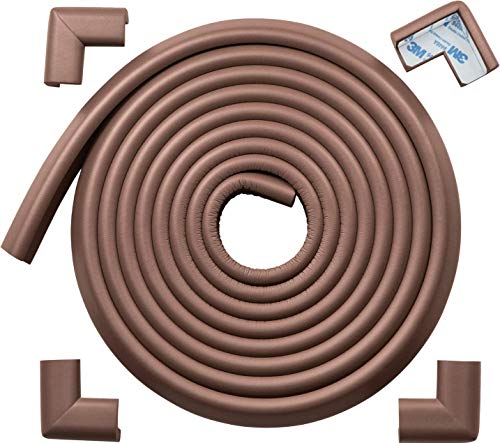
Roving Cove Baby Proof Edge Corner Protector, Large15ft Edge 4 Corners | HeftyFit Heavy-Duty Furniture/Fireplace Safety Bumper Guard, Soft Rubber Foam, 3M Adhesive, BPA-free, Coffee Brown
Check price on Amazon
Roving Cove Baby Proof Edge Corner Protector, Large18ft Edge 8 Corners | HeftyFit Heavy-Duty Furniture/Fireplace Safety Bumper Guard, Soft Rubber Foam, 3M Adhesive, BPA-free, Coffee Brown
Check price on Amazon
Fireplace Screen Safe Mesh Gate, 29 x 41 in Cover for Child Safety | Easy to install with no drilling; foldable black mesh barrier for babies, toddlers, and pets in living rooms
Check price on Amazon
MABOZOO 2-Inch Thick Hearth Cushions for Fireplaces, Fireplace Baby Proofing Seat Edge Cushion with Removable Fireproof Cover, Sponge Fireplace Mat for Children Proofing
Check price on Amazon
Chimfex by Orion Safety Products - CSIA Approved Chimney Fire Suppressant - Safe, Quick and Easy - Stops Chimney Fires in Homes in Under 22 Seconds
Check price on AmazonFinal Thoughts: Safety Is a Habit, Not an Accident
Fireplace safety is not a one-time task—it is an ongoing practice. By following the clearance rules, installing detectors, maintaining your fireplace, and staying vigilant, you can enjoy the warmth and ambiance of your fireplace without compromising the safety of your home and family.
For more in-depth information, explore our complete fireplace safety guide and fireplace safety tips. If you are choosing a new fireplace, consider safety features as a top priority—read our fireplace buying guide to make an informed decision.