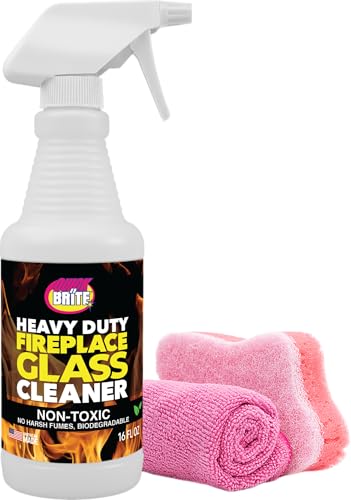
Fireplace Glass Cleaner: The Complete Guide to Crystal Clear Glass
Discover how to choose the right cleaner, remove stubborn soot and creosote, and keep your fireplace glass looking pristine for years to come.
Explore Cleaner TypesWhy It Matters: A dirty fireplace glass doesn't just look bad—it blocks radiant heat, obscures the beautiful flame, and can even signal maintenance issues. The right cleaner makes all the difference.
Why You Need a Specialized Fireplace Glass Cleaner
Standard household glass cleaners are simply not formulated to handle the unique challenges of fireplace glass. The residue that accumulates on fireplace doors—whether from wood smoke, gas combustion, or creosote—is fundamentally different from everyday dirt or grime. Using the wrong product can leave streaks, damage the glass, or even create a safety hazard. A dedicated fireplace glass cleaner is engineered to break down these stubborn deposits safely and effectively.
For homeowners with a gas fireplace, the residue is often a fine white film or a light brown haze. Wood-burning fireplace owners, however, must contend with creosote, a tar-like substance that can be incredibly difficult to remove. Electric fireplaces, while cleaner-burning, can still accumulate dust that gets baked onto the glass. Understanding the type of residue you're dealing with is the first step in selecting the correct cleaner.
Moreover, regular cleaning is an important part of overall fireplace maintenance. A clean glass panel allows more heat to radiate into the room, improving efficiency. It also lets you spot potential problems early, such as condensation inside fireplace glass or unusual soot patterns that might indicate a draft problem.
Types of Fireplace Glass Cleaners
Fireplace glass cleaners fall into several categories, each with its own strengths and ideal use cases. Choosing the right one depends on your fireplace type, the severity of the buildup, and your personal preference for application method.
| Cleaner Type | Best For | Key Features | Application Method |
|---|---|---|---|
| Liquid Sprays | Routine maintenance, light film | Easy to apply, fast-acting, often streak-free | Spray directly on cool glass, wipe with lint-free cloth |
| Gels & Pastes | Heavy creosote, baked-on soot | Cling to vertical surfaces, long contact time | Apply with applicator pad, let sit, then buff off |
| Foaming Cleaners | General purpose, gas fireplace film | Expands into crevices, lifts dirt | Spray, allow foam to work, wipe clean |
| Wipes & Pads | Quick touch-ups, light dust | Convenient, pre-moistened, disposable | Wipe glass surface, discard after use |
| DIY Solutions | Budget-friendly, mild buildup | Made from household items (vinegar, ash, etc.) | Apply with cloth or newspaper, buff dry |
For most homeowners, a high-quality liquid spray is sufficient for regular upkeep. However, if you've neglected your glass for a season or two, a gel or paste specifically designed for creosote removal will save you considerable elbow grease. It's worth noting that some premium fireplace glass cleaners come in kits that include applicator pads and a finishing cloth, which can make the job much easier and more effective.
Key Features to Look For in a Fireplace Glass Cleaner
Not all cleaners are created equal. When evaluating options, pay attention to the following characteristics to ensure you get a product that is both safe and effective for your specific fireplace.
Safety & Non-Toxicity
- Fume-Free Formulas: Essential for indoor use, especially if you have pets or children. Look for water-based, low-VOC products.
- Non-Abrasive: Avoid cleaners with harsh abrasives that can scratch the glass or damage protective coatings.
- Ammonia-Free Options: Ammonia can damage some glass gaskets and is unpleasant to breathe. Many modern cleaners are ammonia-free.
Effectiveness & Efficiency
- Creosote Dissolving Power: For wood-burning fireplaces, a cleaner must be able to break down tar-like creosote.
- Streak-Free Finish: The goal is clarity. A good cleaner evaporates cleanly without leaving a hazy residue.
- Fast Acting: Some sprays work in seconds; gels may require a few minutes of dwell time.
Application & Convenience
- Easy Application: Spray bottles, squeeze bottles, or pre-moistened pads—choose what suits your workflow.
- Included Accessories: Kits with microfiber cloths or applicator sponges add value and ensure you have the right tools.
- Odor: A pleasant or neutral scent is preferable, especially for indoor use.
How to Clean Fireplace Glass: Step-by-Step
Proper technique is just as important as the product you choose. Follow these steps for optimal results, and always ensure the glass is completely cool before you begin. Cleaning hot glass can cause it to crack or shatter.
- Ensure the Fireplace is Off and Cool: Wait at least 2-3 hours after the last fire. For gas fireplaces, turn off the unit and let it cool completely.
- Remove Loose Debris: Use a dry, soft cloth or a vacuum brush attachment to remove loose dust or ash from the glass surface.
- Apply the Cleaner: Spray or apply your chosen fireplace glass cleaner according to the manufacturer's instructions. For gels, use an applicator pad to spread evenly.
- Allow Dwell Time: Let the cleaner sit for the recommended time—usually 30 seconds for sprays, up to 5 minutes for creosote gels.
- Wipe and Buff: Use a clean, lint-free microfiber cloth to wipe the glass in a circular motion. For stubborn spots, apply gentle pressure. Finish with a dry buff to prevent streaks.
- Inspect and Repeat if Necessary: For heavily soiled glass, you may need to repeat the process. Avoid using razor blades or abrasive pads, which can scratch the glass.
For a deeper dive into the cleaning process, including tips for different fireplace types, see our full guide on how to clean fireplace glass. If you're dealing with a gas unit specifically, you might also want to check our guide on how to clean a gas fireplace burner to ensure optimal performance.
DIY vs. Commercial Cleaners: Which Is Right for You?
Many homeowners wonder if they can simply use household items like vinegar or ash to clean their fireplace glass. While these methods can work for light cleaning, they have limitations.
Pros of DIY Cleaners
- Very low cost
- Made from items you likely already have
- No harsh chemicals
Cons of DIY Cleaners
- Often ineffective on heavy creosote
- Can require significant scrubbing
- May leave streaks or residue
- Ash can be messy and scratch if not fine
Commercial cleaners are formulated with surfactants and solvents that specifically target the chemical structure of creosote and soot. They are generally much faster and more effective, especially for annual deep cleaning. For routine maintenance, a simple vinegar-water solution may suffice, but for the best results and least effort, a dedicated product is the smarter choice.
Safety Tips for Cleaning Fireplace Glass
Safety should always be your top priority. Here are some essential precautions:
Before You Start
- Always allow the fireplace to cool completely.
- Ensure the gas valve is turned off (for gas units).
- Work in a well-ventilated area to avoid inhaling fumes.
During Cleaning
- Wear gloves to protect your skin from cleaners and soot.
- Never mix different cleaning chemicals.
- Avoid getting cleaner on the fireplace surround, especially if it's stone or wood, as it may stain.
After Cleaning
- Ensure all cleaner residue is wiped away before relighting.
- Check that glass doors and screens are properly reinstalled.
- Dispose of used cloths and pads safely.
For more comprehensive safety advice, visit our fireplace safety guide.
How Often Should You Clean Fireplace Glass?
The frequency depends on usage and the type of fireplace. As a general rule:
- Wood-Burning Fireplaces: Inspect weekly and clean as needed. A thorough cleaning every 4-6 weeks during heavy use is typical. Creosote can build up quickly.
- Gas Fireplaces: Clean every 2-4 weeks during the heating season to prevent film buildup. A white haze can appear within days of use.
- Electric Fireplaces: Dust the glass weekly and clean monthly with a suitable cleaner.
Incorporating glass cleaning into your seasonal fireplace checklist ensures you never forget this important task. A clean glass is a safe glass, and it keeps your fireplace looking its best.
Frequently Asked Questions
Conclusion
Keeping your fireplace glass clean is a simple yet impactful way to maintain the beauty, efficiency, and safety of your fireplace. By choosing the right fireplace glass cleaner for your specific needs, following proper cleaning techniques, and adhering to a regular maintenance schedule, you can enjoy a clear, unobstructed view of the fire for years to come. Remember to always prioritize safety, and don't hesitate to consult a professional if you encounter persistent issues like excessive black soot or smoke problems.
Ready to find the perfect cleaner? Explore our recommended products below to find the ideal solution for your fireplace.