Contemporary Direct Vent Gas Fireplace: The Complete Guide
Everything you need to know about modern direct vent gas fireplaces — how they work, why they're efficient, design possibilities, and how to choose the right one for your home.
Why this guide matters: A contemporary direct vent gas fireplace combines sleek linear design with sealed-combustion efficiency. Unlike traditional fireplaces that lose most of their heat up the chimney, direct vent models are engineered to deliver reliable warmth while maintaining indoor air quality. This guide walks you through every consideration — from venting mechanics to design styles — so you can make a confident, informed purchase.
What Is a Contemporary Direct Vent Gas Fireplace?
A contemporary direct vent gas fireplace is a modern heating appliance that uses a sealed combustion chamber and a two-pipe venting system. One pipe draws outside air for combustion, while the other exhausts combustion byproducts directly outdoors. This closed-loop design means the fireplace does not consume indoor oxygen or release indoor air pollutants.
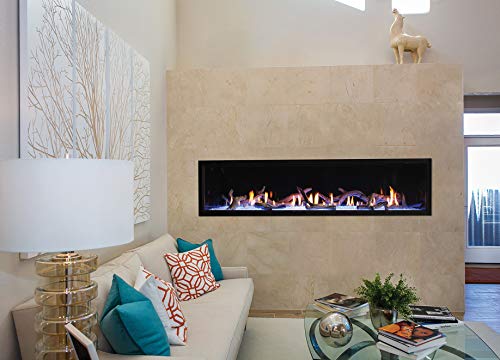
The "contemporary" aspect refers to the design language: clean lines, linear or square fireboxes, minimalist surrounds, and often a ribbon or reflective black glass burner that creates a wide, dramatic flame pattern. These fireplaces are typically built into a wall — either flush or with a subtle protruding surround — and are a popular choice for modern living rooms, bedrooms, and open-concept spaces.
If you're still exploring how direct vent technology fits into the broader fireplace landscape, our types of fireplaces explained guide provides a helpful foundation. For a direct comparison between freestanding and built-in configurations, see built-in vs freestanding fireplace.
How Direct Vent Technology Works
Understanding the mechanics helps you evaluate installation options and efficiency claims. Here's the core principle:
A direct vent fireplace uses a coaxial or co-linear vent pipe. The inner pipe carries exhaust gases out, while the outer pipe brings fresh combustion air in. Because the system is sealed, it is not affected by indoor air pressure changes, and it does not require a traditional chimney. This makes it suitable for almost any exterior wall — even in apartments or homes without existing chimneys.
If you're wondering whether a chimney is always necessary, our guide on whether you need a chimney or vent clarifies the requirements. For a broader installation overview, see the fireplace installation guide.
Key technical points:
- Sealed combustion: No indoor air is used for burning, so no drafts or heat loss from air intake.
- Direct venting: Horizontal or vertical termination through an exterior wall or roof.
- High efficiency: Most modern units achieve 70–90% AFUE or steady-state efficiency ratings.
- Flexible placement: Can be installed on interior or exterior walls, with vent runs up to specified lengths.
- Safety: Sealed system reduces carbon monoxide risk compared to vent-free or unvented models.
For safety-related questions, including whether a gas fireplace can operate without electricity, see can you use a gas fireplace without electricity.
Contemporary Design Styles for Direct Vent Gas Fireplaces
Contemporary direct vent fireplaces are available in several design formats. The right choice depends on your room's architecture, your aesthetic preferences, and how much wall space you want to dedicate to the feature.
Linear Fireplaces
Linear models feature a wide, horizontal firebox — often with a 3:1 or 4:1 width-to-height ratio. They create a ribbon of flame that feels modern and architectural. Linear fireplaces are ideal for open-concept living rooms, media walls, and spaces where a traditional square firebox would feel out of proportion. Many linear units offer reflective black glass, crushed glass media, or stones to enhance the flame presentation.
Square and Portrait Fireplaces
Square fireboxes offer a balanced, geometric look that suits both modern and transitional interiors. Portrait-oriented (taller-than-wide) models are less common but can work well in narrow wall spaces or as a focal point in a minimalist room.
See-Through and Double-Sided
See-through direct vent fireplaces have glass on two sides, allowing the fire to be viewed from two adjacent rooms. These are often used as room dividers in open-plan layouts. For more on this configuration, see double-sided see-through gas fireplace and indoor-outdoor two-sided gas fireplace.
Freestanding Contemporary Models
If built-in installation isn't feasible, freestanding direct vent gas fireplaces offer a contemporary look with more placement flexibility. Our freestanding direct vent gas fireplace guide covers this category in detail.
Efficiency and Heating Performance
Contemporary direct vent gas fireplaces are among the most efficient gas fireplace options available. Because the combustion chamber is sealed and the venting system is designed to minimize heat loss, these units can deliver meaningful supplemental heat — not just ambiance.
| Feature | Typical Range | What It Means for You |
|---|---|---|
| Efficiency Rating | 70–90% | Higher percentage means more heat stays in your home. |
| BTU Output | 20,000–60,000 BTU | Larger rooms need higher BTU; small rooms need less. |
| Heating Capacity | Up to 2,000 sq ft | Depends on climate, insulation, and floor plan. |
| Venting | Direct vent (coaxial) | No chimney required; flexible installation. |
| Ignition | Electronic or millivolt | Electronic offers remote control and thermostat options. |
To determine the right BTU for your space, use our fireplace sizing guide. For a deeper explanation of heating capacity, see fireplace heating capacity BTU guide. If you're considering whether a fireplace can heat your entire home, read can a fireplace heat an entire house.
Blowers and Heat Distribution
Many contemporary direct vent fireplaces can be equipped with an optional blower or fan kit. A blower circulates heated air into the room, improving heat distribution and reducing hot spots near the fireplace. If you're interested in adding a blower, see our guide on installing a blower in a gas fireplace and direct vent gas fireplace with blower.
Installation Requirements and Considerations
Direct vent fireplaces are more flexible than wood-burning or natural draft gas fireplaces, but they still have specific installation requirements. Understanding these upfront helps you plan your project and avoid surprises.
Installation Checklist
- Exterior wall access: You need a location where the vent can terminate outdoors — either through a side wall or the roof.
- Clearances: Maintain required clearances to combustibles, including framing, insulation, and flooring.
- Gas line: A licensed professional must run a gas line to the fireplace location.
- Electrical: Most modern units require a dedicated electrical connection for ignition, remote, and blower.
- Vent length: Stay within the manufacturer's specified minimum and maximum vent run.
- Permits: Check local building codes; a permit is often required for gas appliance installation.
For a full breakdown, see gas fireplace installation requirements and fireplace installation guide overview. If you're weighing DIY against professional installation, read DIY vs professional fireplace installation.
Design and Styling Ideas for Contemporary Direct Vent Fireplaces
One of the biggest advantages of a contemporary direct vent gas fireplace is how well it integrates into modern interior design. Here are some styling approaches to consider:
Minimalist Surrounds
Pair a linear fireplace with a sleek, non-combustible surround in materials like large-format porcelain tile, polished concrete, or matte black steel. Our guide on contemporary marble fireplace surround explores one premium option. For non-combustible mantel options, see non-combustible fireplace mantel shelf and non-combustible mantels for fireplaces.
Media Walls and Built-Ins
Integrating a direct vent fireplace into a media wall with a TV above is a popular contemporary layout. Just ensure you respect clearance requirements and consider a mantel or heat shield if needed. See our TV above fireplace safety guide for details. For built-in shelving ideas, explore built-in bookshelves next to fireplace and built-in bookshelves around fireplace.
Stone and Tile Accents
While contemporary design often leans toward smooth, monolithic surfaces, textured stone or tile can add visual interest without overwhelming the linear firebox. Our electric fireplace with stone surround guide offers inspiration that translates well to gas models. For a broader look at stone fireplace styling, see living room ideas with stone fireplace.
Pros and Cons of Contemporary Direct Vent Gas Fireplaces
✅ Advantages
- High efficiency (70–90%) compared to traditional fireplaces
- Sealed combustion — no indoor air quality concerns
- No chimney required; flexible venting options
- Modern aesthetic with linear and see-through options
- Remote control, thermostat, and smart home compatibility
- Reliable supplemental heat during power outages (millivolt models)
⚠️ Considerations
- Higher upfront cost than vent-free or electric models
- Requires professional installation and gas line
- Vent termination location must be planned carefully
- Annual professional maintenance recommended
- Not suitable for every wall location (exterior access needed)
For a broader comparison of gas versus other fuel types, see electric vs gas vs wood fireplace comparison and pros and cons of each fireplace type.
Maintenance and Care
Contemporary direct vent gas fireplaces are relatively low-maintenance, but regular care ensures safe, efficient operation and preserves the appliance's lifespan.
- Annual inspection: Have a qualified technician inspect the venting, gas connections, and combustion chamber. See gas fireplace inspection and annual fireplace inspection guide.
- Clean glass: Use a non-abrasive cleaner designed for fireplace glass. See how to clean fireplace glass.
- Clean burner and logs: Dust and debris can affect flame quality. See clean gas fireplace burner.
- Check vent terminal: Ensure the exterior vent cap is free of obstructions, nests, or snow.
- Seasonal preparation: Follow our winter fireplace preparation guide and seasonal maintenance checklist.
For fuel-specific maintenance, see gas fireplace maintenance guide.
Common Issues and Troubleshooting
Even well-maintained fireplaces can develop issues. Here are some common problems and where to find solutions:
- Won't light: Could be a pilot issue, ignition failure, or gas supply problem. See gas fireplace won't light.
- Pilot keeps going out: Often a thermocouple or draft issue. See pilot light keeps going out.
- Weak flame: May indicate low gas pressure or blocked burner ports. See gas fireplace weak flame.
- Smells like gas: Shut off gas and ventilate immediately. See fireplace smells like gas.
- Noise: Blower or fan issues. See fireplace making noise and fireplace blower fan not working.
- Condensation on glass: Can be normal during startup but persistent fogging may indicate venting issues. See condensation fireplace glass.
For a full list, visit our fireplace troubleshooting hub.
Cost Considerations
When evaluating a contemporary direct vent gas fireplace, consider both the upfront investment and long-term operating costs. While we don't list specific prices (as they vary by region, retailer, and time), here's how to think about the financial aspects:
- Unit tier: Entry-level models offer basic features; mid-range adds remote control and blower options; premium and luxury tiers include larger fireboxes, higher efficiency, and advanced flame presentation.
- Installation: Professional installation, gas line, venting, and framing add to the total project cost. See cost of gas fireplace and installation.
- Operating costs: Natural gas and propane costs vary by region. See electric vs gas fireplace running costs for a comparative framework.
- Maintenance: Annual servicing and potential part replacements should be factored in. See fireplace maintenance cost.
For a broader cost breakdown, see fireplace cost breakdown and hidden costs of owning a fireplace.
How to Choose the Right Contemporary Direct Vent Gas Fireplace
With so many options available, narrowing down your choice can feel overwhelming. Use this framework to simplify the decision:
- Determine your heating goal: Is this for ambiance, supplemental heat, or primary heating? See best fireplace for heating FAQ and which fireplace is right for your home.
- Measure your space: Calculate room volume and required BTU. Use our how to size a fireplace guide.
- Choose a design format: Linear, square, see-through, or freestanding. Consider wall placement and viewing angles.
- Check venting feasibility: Confirm exterior wall access and vent run limitations.
- Select a tier: Decide between entry-level, mid-range, premium, or luxury based on features and efficiency.
- Plan for installation: Budget for professional installation and any necessary modifications.
- Review maintenance requirements: Ensure you're comfortable with annual servicing and cleaning.
For a step-by-step buying framework, see fireplace buying guide and fireplace sizing worksheet.
Ready to Explore Contemporary Direct Vent Gas Fireplaces?
Browse our recommended models below — carefully selected for design, efficiency, and reliability. Each product is available through trusted online retailers.
Frequently Asked Questions
What is the difference between direct vent and vent-free gas fireplaces?
Direct vent fireplaces use a sealed combustion chamber and vent exhaust outdoors, while vent-free models burn gas indoors without exterior venting. Direct vent offers better indoor air quality and higher efficiency, but requires exterior wall access. Vent-free models are more flexible for installation but produce moisture and require adequate ventilation.
Can a contemporary direct vent gas fireplace heat a whole house?
While these fireplaces are efficient, they are typically designed for supplemental zone heating rather than whole-house heating. A high-BTU model in an open-concept space can effectively heat a large area, but it's not a replacement for a central HVAC system. See can a fireplace heat an entire house for more details.
Do I need a chimney for a direct vent gas fireplace?
No. Direct vent fireplaces do not require a traditional chimney. They vent horizontally through an exterior wall or vertically through the roof using a coaxial pipe. This makes them suitable for homes without existing chimneys. See do fireplaces need a chimney.
How often does a direct vent gas fireplace need maintenance?
An annual professional inspection is recommended to ensure safe and efficient operation. Routine homeowner maintenance includes cleaning the glass, checking the vent terminal, and dusting the burner area. See how often to service a fireplace and gas fireplace maintenance guide.
Can I install a direct vent gas fireplace on any wall?
You need an exterior wall or roof access for vent termination. Interior walls without exterior access are not suitable unless a vertical vent can be routed through the roof. Clearances to combustibles and local building codes must also be respected. See gas fireplace installation requirements.
Are direct vent gas fireplaces safe to use during power outages?
Some models with millivolt ignition can operate during power outages, while electronic ignition models typically require electricity. If you want backup heat capability, look for a millivolt or battery-backup ignition system. See can you use a gas fireplace without electricity.