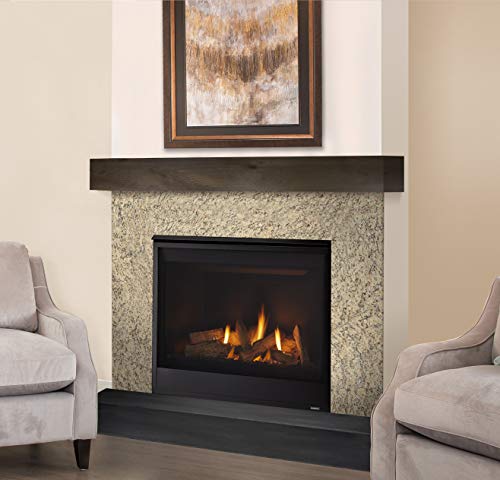
Direct Vent Gas Fireplace with Blower: The Complete Guide
Discover how a direct vent gas fireplace with blower combines sealed-combustion safety with powerful heat distribution. Learn about efficiency, installation, maintenance, and how to choose the right model for your home.
View Top RecommendationsWhy a Direct Vent Gas Fireplace with Blower? Unlike traditional open fireplaces that lose most of their heat up the chimney, a direct vent gas fireplace with blower is engineered to deliver warmth efficiently. The sealed combustion chamber draws air from outside and exhausts gases outdoors, while the integrated blower circulates heated air into your living space. This combination offers safety, efficiency, and comfort—making it a top choice for modern homeowners.
What Is a Direct Vent Gas Fireplace with Blower?
A direct vent gas fireplace is a sealed-combustion appliance that uses a coaxial vent pipe—one channel for intake air and another for exhaust. This design eliminates drafts, improves indoor air quality, and allows installation in locations where a traditional chimney would be impractical. When paired with a blower, the fireplace actively pushes heated air into the room rather than relying solely on radiant heat. This makes it far more effective at warming larger spaces.
For homeowners researching different types of fireplaces, the direct vent model stands out for its balance of realism, efficiency, and installation flexibility. If you're still deciding between fuel types, our electric vs gas vs wood comparison can help clarify the trade-offs.
How Does a Direct Vent Gas Fireplace with Blower Work?
The system operates in three coordinated stages:
1. Sealed Combustion
Outside air enters through the outer channel of the coaxial vent. Gas burns in a sealed firebox, and exhaust gases exit through the inner channel. No indoor air is used for combustion, so there's no risk of backdrafts or carbon monoxide entering your home.
2. Heat Exchange
The firebox heats a metal heat exchanger. As room air passes over the exchanger, it absorbs warmth. This design maximizes heat transfer while keeping combustion byproducts completely isolated.
3. Blower Distribution
The blower fan pulls cool room air from near the floor, pushes it through the heat exchanger, and releases warm air into the room. This active circulation dramatically improves heating reach compared to radiant-only models.
Understanding this process helps explain why a direct vent gas fireplace with blower is often recommended for heating capacity planning and for rooms where space is limited but heat demand is high.
Key Benefits of a Direct Vent Gas Fireplace with Blower
High Efficiency
Sealed combustion and blower-assisted heat distribution can achieve efficiency ratings that far exceed traditional wood-burning fireplaces. This translates to more heat per unit of fuel and lower daily running costs.
Improved Safety
Because combustion is isolated from indoor air, there's no risk of smoke, ash, or carbon monoxide entering your living space. This is a major advantage for families and those with respiratory concerns.
Flexible Installation
Direct vent fireplaces can be installed on interior or exterior walls, and some models allow horizontal termination through a sidewall. This avoids the need for a full masonry chimney—see do you need a chimney or vent? for details.
Even Heat Distribution
The blower ensures warm air reaches beyond the immediate vicinity of the fireplace. This is especially valuable in open-concept layouts or rooms with high ceilings.
Realistic Flame
Modern direct vent gas fireplaces feature lifelike logs, glowing embers, and dancing flames. Many models offer remote control and thermostat options for convenience.
Low Maintenance
Compared to wood-burning units, gas fireplaces require less frequent cleaning. Annual inspections and occasional glass cleaning are typically sufficient—see our gas fireplace maintenance guide.
Efficiency and Sizing: What You Need to Know
Efficiency ratings for direct vent gas fireplaces typically range from 70% to over 90%, depending on the model and venting configuration. The blower plays a critical role in achieving higher efficiency by capturing heat that would otherwise be lost. When sizing a unit, consider the room's square footage, insulation, ceiling height, and climate. A fireplace sizing guide can help you calculate the right BTU output. For a more detailed breakdown, see our BTU guide.
If you're concerned about long-term operating expenses, our article on most energy-efficient fireplace types provides a useful comparison. And for a broader cost perspective, see fireplace cost breakdown.
Direct Vent vs Other Fireplace Types
| Feature | Direct Vent Gas with Blower | Ventless Gas | Wood-Burning | Electric |
|---|---|---|---|---|
| Efficiency | High (70–90%+) | High (but moisture concerns) | Low to Moderate | High (100% at point of use) |
| Venting | Sealed coaxial vent | No vent required | Chimney required | No vent required |
| Indoor Air Quality | Excellent (sealed) | Good (but adds moisture) | Variable (smoke, ash) | Excellent |
| Heat Distribution | Excellent with blower | Good (radiant/convection) | Radiant, uneven | Good (fan-assisted) |
| Installation Flexibility | High (wall or roof vent) | Very High | Low (chimney needed) | Very High |
| Maintenance | Low | Low | High | Very Low |
For a deeper dive into pros and cons by type, see fireplace pros and cons by type. If you're weighing a direct vent model against an insert, our wall-mounted vs insert vs freestanding comparison is a helpful resource.
Installation Considerations
Installing a direct vent gas fireplace with blower is a job for a licensed professional. Key factors include:
Vent Termination
The vent must terminate outdoors with proper clearance from windows, doors, and air intakes. Horizontal termination is common but may require a slight upward slope for exhaust.
Gas Line
A dedicated gas line must be run to the fireplace. If you don't have an existing gas line, this will add to the installation complexity—see gas fireplace without a gas line.
Electrical Supply
The blower and ignition system require electricity. Most models plug into a standard outlet, but hardwiring is an option for a cleaner look.
Clearances
Maintain required clearances from combustible materials. This includes mantels, shelves, and flooring. Refer to your model's manual for specifics.
For a comprehensive overview, see our fireplace installation guide and gas fireplace installation requirements. If you're considering a DIY approach, read DIY vs professional installation first.
Maintenance Tips for Long-Lasting Performance
To keep your direct vent gas fireplace with blower running efficiently:
- Clean the glass annually using a non-abrasive cleaner—see how to clean fireplace glass.
- Inspect and clean the blower fan blades to prevent dust buildup.
- Schedule an annual inspection by a qualified technician—see annual fireplace inspection guide.
- Check the vent termination for blockages (bird nests, debris, snow).
- Test the carbon monoxide detector regularly.
For a seasonal checklist, see seasonal fireplace checklist and winter fireplace preparation. If you notice unusual noises, our fireplace making noise guide can help troubleshoot.
Common Issues and Troubleshooting
Blower Not Working
Check the power supply, thermostat settings, and fan switch. If the blower still doesn't run, the motor may need replacement. See blower fan not working.
Weak Flame
This could indicate low gas pressure, a clogged burner, or a faulty regulator. See weak flame on gas fireplace.
Pilot Light Issues
If the pilot light won't stay lit, the thermocouple or thermopile may be faulty. See pilot light keeps going out.
Smells Like Gas
If you smell gas, turn off the fireplace and gas supply immediately, ventilate the area, and contact a professional. See fireplace smells like gas.
For more solutions, visit our fireplace troubleshooting hub.
Frequently Asked Questions
Can a direct vent gas fireplace with blower heat an entire house?
While a single unit is typically designed to heat a specific room or zone, a high-efficiency model with a powerful blower can contribute significantly to whole-home warmth in well-insulated homes. For a detailed discussion, see can a fireplace heat an entire house?.
How often should I service my direct vent gas fireplace?
Annual servicing by a qualified technician is recommended. This includes cleaning the burner, checking the venting system, and testing safety controls. See how often to service a fireplace.
Is a direct vent gas fireplace safe to leave on overnight?
Yes, direct vent models are sealed-combustion appliances and are considered safe for extended use when properly installed and maintained. However, always follow the manufacturer's guidelines. See can you leave a fireplace on overnight?.
Do direct vent gas fireplaces require electricity?
Most models require electricity for the blower, ignition system, and remote control. Some models can operate without electricity for the flame, but the blower will not function. See can you use a gas fireplace without electricity?.
What is the lifespan of a direct vent gas fireplace?
With proper maintenance, a quality direct vent gas fireplace can last 15–20 years or more. See what is the lifespan of a fireplace?.
Can I install a direct vent gas fireplace in an apartment?
It depends on local building codes and the availability of a suitable vent termination point. Some apartments allow direct vent installations with horizontal termination. See can you install a fireplace in an apartment?.
Ready to Choose Your Direct Vent Gas Fireplace with Blower?
Explore our curated selection of top-rated models below. Each product is chosen for performance, reliability, and customer satisfaction.
View Recommended Models