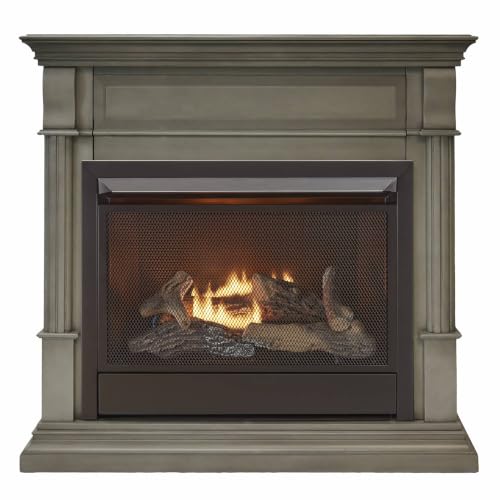
Freestanding Direct Vent Gas Fireplace: The Ultimate Guide
Discover why a freestanding direct vent gas fireplace is the perfect blend of efficiency, style, and flexibility for your home. This comprehensive guide covers everything you need to know before buying.
A freestanding direct vent gas fireplace is a versatile and highly efficient heating solution that offers the charm of a traditional stove with the convenience of modern gas technology. Unlike built-in units, these appliances stand independently, making them ideal for renovations or spaces without an existing chimney. They are a fantastic option for homeowners seeking a reliable heat source that doesn't compromise on aesthetics. This guide will walk you through the key aspects of choosing the right model, from understanding venting and efficiency to exploring design possibilities and maintenance needs.
What Exactly Is a Freestanding Direct Vent Gas Fireplace?
To fully appreciate this appliance, it's helpful to understand its two core components. First, "freestanding" means the unit is a self-contained piece that sits on your floor, similar to a wood stove. It doesn't require a custom-built wall or mantel, offering flexibility in placement. Second, "direct vent" refers to its sealed combustion system. This system draws outside air for combustion through one pipe and exhausts 100% of the byproducts (like carbon monoxide and moisture) to the outside through a second, inner pipe. This "balanced flue" design means the unit is not dependent on indoor air for combustion, making it exceptionally safe and efficient. You can learn more about the general principles in our fireplace buying guide.
This combination makes a freestanding direct vent gas fireplace a top-tier choice for those who want the look of a stove with the performance of a modern, sealed-combustion heater. It's important to note that this is a vented system, distinct from a ventless fireplace insert with blower, which releases exhaust into the room. The sealed system of a direct vent unit is a significant advantage for indoor air quality.
Key Benefits of Choosing a Freestanding Direct Vent Gas Fireplace
Opting for a freestanding direct vent gas fireplace comes with a unique set of advantages that set it apart from other heating options.
- High Efficiency: Because the combustion chamber is sealed and draws air from outside, these units do not lose heat up a traditional chimney. Most models are rated as high-efficiency heaters, converting a large percentage of the gas they use into usable heat for your room. This makes them an excellent choice if you're looking for the best fireplace for heating.
- Flexible Installation: Since they are freestanding, you have more freedom in where to place the unit. As long as you can route the direct vent pipes through an exterior wall or roof, you can install one in almost any room. This is particularly useful for basements, additions, or rooms without a traditional chimney structure.
- Improved Air Quality: The sealed combustion system ensures that no harmful gases or moisture enter your living space. This is a major health and safety benefit, especially for those with allergies or respiratory sensitivities.
- Realistic Flame and Ambiance: Modern direct vent gas stoves offer incredibly realistic flames, often with glowing embers and ceramic logs. They provide the cozy ambiance of a fire without the mess and work of a wood-burning stove. You can enhance the look with ceramic fireplace logs for an even more authentic appearance.
- Zone Heating: These units are perfect for zone heating, allowing you to warm the room you're in without heating the entire house. This can lead to significant energy savings over time. For a deeper dive into costs, you might find our article on fireplace daily running cost informative.
How to Choose the Right Freestanding Direct Vent Gas Fireplace
Selecting the perfect unit involves balancing heating needs, aesthetics, and installation requirements. Here are the key factors to consider.
Heating Capacity and BTU Output
The heating capacity of a gas fireplace is measured in BTUs (British Thermal Units). The right BTU output depends on the size of the room, its insulation, and your climate. A unit that is too powerful can make the room uncomfortably hot, while one that is too small won't heat it effectively. Our detailed fireplace heating capacity BTU guide can help you calculate your specific needs. For a more focused approach, you can also use our guide on how to size a fireplace.
Efficiency Ratings
Look for a high Annual Fuel Utilization Efficiency (AFUE) rating. This number tells you how efficient the unit is at converting fuel into heat. Higher efficiency models, which are often in the premium or luxury tier, will cost less to operate over the long term. This is a crucial factor when considering the most energy-efficient fireplace types.
Design and Style
Freestanding direct vent gas fireplaces come in a wide range of styles, from traditional cast-iron stoves to sleek, contemporary designs. Consider the overall aesthetic of your room. A modern unit might feature a large glass viewing area and clean lines, while a traditional model might include intricate detailing and a classic stove shape. The choice is purely aesthetic but can dramatically impact the feel of your space. For design inspiration, browse our ideas for a contemporary direct vent gas fireplace.
Installation and Cost Considerations
While a freestanding unit is more flexible than a built-in, installation is still a significant project that requires careful planning and professional expertise. It's not a typical DIY task.
The installation involves placing the unit, running a gas line (either natural gas or propane) to the location, and routing the direct vent pipes to the outside. This may involve cutting through an exterior wall or the roof. A professional installer will ensure the system is properly sealed and vented according to local building codes. For safety and compliance, it's essential to hire a qualified technician. You can compare this process to a traditional built-in by reading our guide on fireplace installation guide overview.
When planning, it's wise to consider the hidden costs of owning a fireplace. Beyond the unit itself, these can include the cost of the venting kit, a hearth pad if required, professional installation fees, and any necessary permits. The total cost of ownership also involves ongoing expenses like gas and annual maintenance.
Maintenance for Longevity and Safety
A freestanding direct vent gas fireplace requires regular maintenance to operate safely and efficiently. While it produces no ash or creosote, it still needs care. An annual professional inspection is highly recommended. A technician will clean the burner and glass, check the venting system for blockages or leaks, and ensure all components are working correctly. This is a key part of any fireplace maintenance schedule. For a gas-specific routine, see our gas fireplace maintenance guide. Simple tasks like how to clean fireplace glass and the occasional clean gas fireplace burner can be done by the homeowner between professional visits.
Common Questions About Freestanding Direct Vent Gas Fireplaces
Prospective buyers often have specific questions. Here are answers to some of the most common ones.
Can a freestanding direct vent fireplace be used during a power outage?
Many modern units use a millivolt ignition system that doesn't require electricity to operate the main burner, meaning they can provide heat during a power outage. However, models with electronic ignition or a blower fan will need power to function fully. This is a crucial feature to check when buying. You can learn more in our article: Can you use a gas fireplace without electricity?
Is a direct vent fireplace safe?
Yes, it is one of the safest types of gas fireplaces. Because it is a sealed system that draws combustion air from outside and vents all exhaust outdoors, there is no risk of carbon monoxide entering your home. This makes it a safer choice than a ventless unit. For more on safety, read about carbon monoxide signs from fireplace.
Can I install one myself?
While a skilled DIY enthusiast might be able to handle some aspects, installing a gas appliance and cutting into your home's exterior is a complex job requiring specialized tools and knowledge. Improper installation can be dangerous and void your warranty. It is always best to hire a certified professional. Our guide on DIY vs. professional fireplace installation explains this further.
Final Thoughts
A freestanding direct vent gas fireplace is an exceptional choice for homeowners seeking an efficient, safe, and stylish heating solution. It offers the ambiance of a traditional stove with the modern conveniences of gas, all while being flexible enough to fit into various spaces. By understanding the fundamentals of venting, efficiency, installation, and maintenance, you are now well-equipped to make an informed decision. Whether you're looking to heat a chilly basement or add a focal point to your living room, this type of fireplace is a worthy investment that will provide warmth and comfort for years to come.