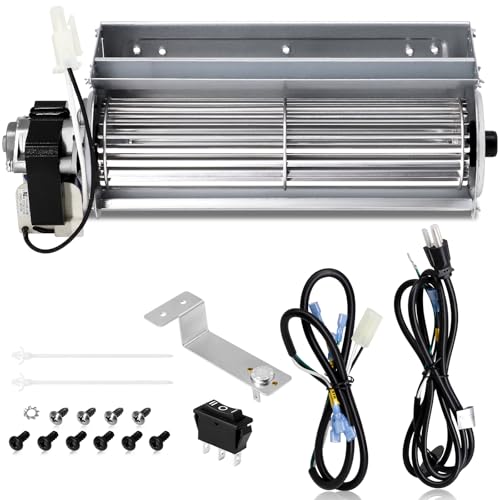
Installing a Blower in a Gas Fireplace: Complete Guide
Learn how to install a blower in your gas fireplace to improve heat distribution, increase efficiency, and maximize comfort. Step-by-step instructions, safety tips, and expert recommendations.
START INSTALLATION GUIDEWhy Install a Blower? A gas fireplace blower circulates heated air into your room instead of letting it escape up the chimney. This simple upgrade can dramatically improve heating efficiency and reduce energy waste. Whether you have a vented or ventless gas fireplace, adding a blower is one of the most cost-effective improvements you can make.
Why a Blower Matters for Your Gas Fireplace
Gas fireplaces are prized for their convenience, realistic flames, and clean operation. However, many homeowners are surprised to learn that a significant portion of the heat produced by a gas fireplace can be lost without proper air circulation. This is where a blower (also called a fan or heat exchanger) becomes essential. By installing a blower in your gas fireplace, you actively push warm air into the living space rather than allowing it to stagnate or escape through the venting system.
Understanding fireplace heating capacity and BTU output is the first step. A blower doesn't increase the BTU rating of your fireplace, but it ensures that the heat generated is distributed efficiently. This means your room warms up faster, and you can rely less on central heating. For those comparing options, our gas vs electric fireplace comparison highlights how blowers give gas models a distinct advantage in whole-room heating.
Before installing, it's wise to review your gas fireplace maintenance routine and ensure your unit is compatible with an aftermarket blower. Most modern gas fireplaces come "blower-ready," meaning they have a receptacle and wiring in place. Older models may require additional adapters.
Types of Blowers for Gas Fireplaces
Not all blowers are created equal. Understanding the differences will help you choose the right model for your fireplace and heating goals.
| Blower Type | Best For | Key Features | Typical Tier |
|---|---|---|---|
| Single-Speed Blower | Basic heat distribution; smaller rooms | One speed setting; simple on/off operation; affordable | Entry-level |
| Variable-Speed Blower | Customizable comfort; open-concept spaces | Adjustable fan speed; quieter operation at low settings; better control | Mid-range |
| Thermostatically Controlled Blower | Automated heating; energy efficiency | Auto on/off based on temperature; reduces manual operation; premium efficiency | High-end |
| Heat-Powered (Thermoelectric) Blower | No electricity needed; off-grid setups | Powered by heat from the fireplace; no wiring; eco-friendly | Specialty / Premium |
For most homeowners, a variable-speed blower offers the best balance of performance and control. If you want a hands-off experience, a thermostatically controlled model is worth the investment. Heat-powered blowers are ideal for areas prone to power outages but are less common and typically more expensive.
Benefits of Installing a Blower
Adding a blower to your gas fireplace is a relatively small upgrade with outsized returns. Here are the primary benefits:
- Improved Heat Distribution: A blower pushes warm air into the room instead of letting it rise and stratify near the ceiling. This can increase the effective heating area by 30–50%.
- Faster Warm-Up: Rooms reach comfortable temperatures more quickly, reducing the time your fireplace needs to run.
- Energy Savings: By maximizing the heat from your gas fireplace, you can lower your central heating thermostat and save on utility bills. Learn more in our fireplace energy saving tips.
- Quieter Operation: Modern variable-speed blowers operate quietly, especially at lower settings, so you can enjoy the ambiance without distraction.
- Enhanced Comfort: Even heat distribution eliminates cold spots and drafts, making your living space more comfortable.
If you're still deciding whether a gas fireplace is right for your home, see our which fireplace is right for your home guide. For those who already own a gas fireplace, a blower is often the single best upgrade for heating performance.
Pre-Installation Checklist
Before you begin installing a blower, gather the necessary information and tools. Proper preparation prevents frustration and ensures safety.
1. Verify Compatibility
Check your gas fireplace's manual or manufacturer's website to confirm it is blower-ready. Look for a designated blower receptacle, mounting tabs, and a wiring diagram. If your fireplace is not blower-ready, you may need a universal blower kit with a mounting bracket.
2. Choose the Right Blower
Match the blower's CFM (cubic feet per minute) rating to your fireplace size and room volume. A blower that's too powerful can be noisy; too weak and it won't circulate air effectively. Consult our fireplace blower fan guide for detailed selection criteria.
3. Gather Tools and Materials
Typical tools include a screwdriver set, wire strippers, electrical tape, a drill, and a flashlight. You may also need a voltage tester to ensure power is off. If your blower requires hardwiring, have a licensed electrician available.
4. Safety First
Turn off the gas supply and disconnect power to the fireplace at the circuit breaker. Allow the fireplace to cool completely before working on it. If you smell gas, evacuate and call a professional immediately. For safety guidelines, see our carbon monoxide signs from fireplace.
Step-by-Step Installation Guide
Installing a blower in a gas fireplace is a moderate DIY project. If you're comfortable with basic electrical work, you can complete it in 1–2 hours. Otherwise, hire a professional. The steps below assume a blower-ready fireplace and a standard electric blower kit.
Step 1: Access the Fireplace Blower Compartment
Remove the fireplace's front panel, louver assembly, or glass door to access the lower compartment. On most gas fireplaces, the blower mounts at the bottom, behind the lower louver. Consult your manual for specific removal instructions. For general installation context, see our gas fireplace installation requirements.
Step 2: Mount the Blower
Attach the blower to the mounting tabs or bracket using the screws provided. Ensure the blower is oriented correctly—usually with the fan blades facing the heat exchanger. Some blowers come with vibration-dampening pads; use them to reduce noise.
Step 3: Connect the Wiring
If your fireplace has a pre-installed receptacle, plug the blower's power cord into it. For hardwired models, connect the blower's wires to the fireplace's junction box, matching black (hot), white (neutral), and green (ground). Use wire nuts and secure with electrical tape. If you're unsure, call a licensed electrician.
Step 4: Install the Thermostat or Speed Control (Optional)
If your blower includes a thermostat or variable-speed switch, mount it in a convenient location—typically on the fireplace's side or bottom. Follow the manufacturer's instructions for wiring. Thermostatic controls automatically turn the blower on when the fireplace reaches a certain temperature.
Step 5: Test the Blower
Restore power and gas, then turn on the fireplace. The blower should activate either immediately or once the fireplace heats up (if thermostatically controlled). Listen for unusual noises and check for proper airflow. If the blower doesn't run, check the wiring and circuit breaker.
Step 6: Reassemble and Clean Up
Replace the front panel, louvers, and glass door. Clean up any debris. Run the fireplace for 15–20 minutes to ensure everything works correctly and to burn off any manufacturing oils.
Troubleshooting Common Blower Issues
Even after a successful installation, you may encounter minor issues. Here are the most common problems and how to fix them.
Blower Won't Turn On
Check the power source: ensure the fireplace is plugged in or the circuit breaker is on. If your blower has a thermostat, it may not activate until the fireplace reaches a certain temperature. Test the blower independently by connecting it directly to a power source (if safe to do so). If it still doesn't work, the blower motor may be faulty.
Blower Is Noisy
Vibration is a common cause. Ensure all mounting screws are tight and that vibration pads are installed. Clean the fan blades—dust buildup can cause imbalance. If the noise persists, the bearings may be worn, and replacement is needed. For more, see fireplace making noise.
Weak Airflow
Check for obstructions in the blower housing or air vents. Clean the blower and surrounding area. If the blower is a variable-speed model, ensure it's set to a higher speed. A clogged heat exchanger can also restrict airflow; schedule a professional cleaning if needed. See our how to clean a gas fireplace burner guide.
Blower Runs Continuously
If your blower has a thermostat, it may be set too low, causing it to run even after the fireplace cools. Adjust the thermostat or replace it if faulty. For manual blowers, simply turn it off when not needed.
For more troubleshooting, visit our fireplace blower fan not working page. If you encounter gas-related issues, always prioritize safety and contact a professional.
Maintaining Your Fireplace Blower
To keep your blower running efficiently for years, incorporate these simple maintenance tasks:
- Clean the blower annually: Dust and debris can accumulate on the fan blades, reducing efficiency and causing noise. Vacuum the blower compartment and wipe blades with a damp cloth.
- Lubricate if required: Some blower motors have oil ports; add a few drops of lightweight machine oil yearly. Sealed motors require no lubrication.
- Check wiring and connections: Inspect for loose wires or corrosion. Tighten connections as needed.
- Test thermostat operation: Ensure the thermostat activates and deactivates the blower at the correct temperatures.
- Schedule professional service: Include the blower in your annual gas fireplace inspection. A technician can deep-clean and verify performance.
Regular maintenance extends the life of your blower and ensures your fireplace operates safely. See our fireplace maintenance schedule for a comprehensive timeline.
Ready to Upgrade Your Gas Fireplace?
Browse our recommended blower kits and accessories to find the perfect match for your fireplace. Improve efficiency and comfort today.
VIEW RECOMMENDED BLOWERSFrequently Asked Questions
Can I install a blower in any gas fireplace?
Most modern gas fireplaces are blower-ready, meaning they have a receptacle and mounting points. Older or basic models may require a universal blower kit and possibly professional installation. Check your manual or consult a technician.
Do I need an electrician to install a blower?
If your fireplace has a pre-installed plug-in receptacle, you can simply plug in the blower—no electrician needed. For hardwired models, hiring a licensed electrician is recommended to ensure safety and code compliance.
How much does a blower improve heating efficiency?
A blower can increase the effective heating area of your gas fireplace by 30–50%. It doesn't increase the BTU output, but it ensures more of that heat reaches your living space instead of being lost.
Is a blower noisy?
Modern variable-speed blowers are designed to be quiet, especially at lower settings. Some noise is inevitable, but it's usually comparable to a gentle fan. Proper installation with vibration pads further reduces noise.
Can I use a blower with a ventless gas fireplace?
Yes, but you must ensure the blower does not interfere with the ODS pilot or safety sensors. Always follow the fireplace manufacturer's guidelines and consider a blower specifically designed for ventless units.
How often should I replace my fireplace blower?
With proper maintenance, a quality blower can last 10–15 years. If you notice persistent noise, reduced airflow, or frequent electrical issues, it may be time for a replacement.
For more answers, explore our fireplace FAQ hub. If you're considering other upgrades, see our fireplace accessories section.
Final Thoughts
Installing a blower in a gas fireplace is one of the smartest upgrades you can make for home comfort and energy efficiency. It transforms a primarily decorative feature into a powerful heating source. With the right blower, careful installation, and routine maintenance, you'll enjoy a warmer home and lower energy bills for years to come.
Whether you're a seasoned DIYer or prefer professional help, the information in this guide empowers you to make informed decisions. Remember to prioritize safety, verify compatibility, and choose a blower that matches your heating needs. For more fireplace insights, browse our fireplace buying guide and troubleshooting resources.