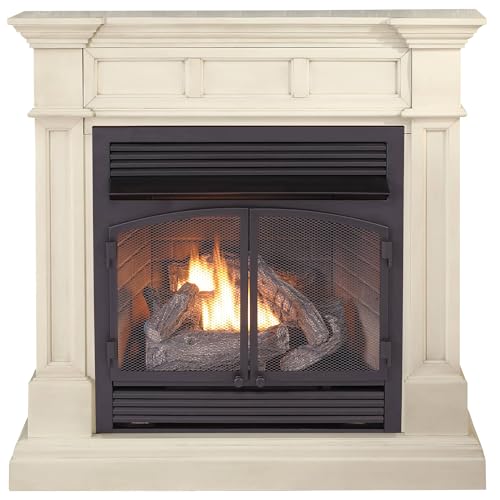
Indoor Outdoor Two Sided Gas Fireplace
Discover how a see-through gas fireplace can warm two spaces at once, connect your indoor and outdoor living areas, and become the centerpiece of your home design
START EXPLORINGWhat Is an Indoor Outdoor Two Sided Gas Fireplace?
An indoor outdoor two sided gas fireplace — also called a see-through, double-sided, or peninsula gas fireplace — is a single firebox with transparent glass on two opposing faces. Instead of radiating heat in one direction, it shares a live flame between two rooms or between an interior living space and an exterior patio or deck. This makes it one of the most versatile options in modern fireplace design, especially for open-concept homes and covered outdoor living areas.
Because it runs on natural gas or propane, a two sided gas fireplace delivers consistent, controllable heat without the ash, smoke, and fuel storage that come with wood. Many models are direct-vent or ventless, which gives homeowners flexibility in placement. If you are still weighing fuel types, our guide to types of fireplaces breaks down how gas compares to electric, wood, and ethanol.
Whether you are building a new home, remodeling a living room, or extending your outdoor entertaining space, a see-through gas fireplace can unify two areas while providing a focal point that works year-round. The key is understanding venting, sizing, and safety before you buy.
Why Choose a Two Sided Gas Fireplace?
Dual-Space Heating
One unit warms two rooms or an indoor and outdoor area simultaneously, making it ideal for open floor plans and covered patios.
Architectural Focal Point
A see-through flame becomes a striking design feature that connects spaces and adds visual depth to your home.
Realistic Flame
Gas fireplaces produce authentic-looking flames with minimal maintenance compared to wood-burning units.
Flexible Venting
Direct-vent and ventless options allow installation in locations where a traditional chimney would be impractical.
Convenient Control
Most models include remote control, thermostatic operation, and adjustable flame height for effortless comfort.
Year-Round Enjoyment
Use it as a primary heat source indoors in winter and as an ambiance feature outdoors in milder months.
Types of Indoor Outdoor Two Sided Gas Fireplaces
Direct-Vent See-Through Gas Fireplace
A direct-vent model uses a sealed combustion chamber and a coaxial pipe that pulls in outside air for combustion while exhausting fumes outdoors. This design is highly efficient and safe for indoor use because it does not draw air from the room.
- Best for indoor-to-indoor or indoor-to-covered-outdoor walls
- Sealed glass front keeps indoor air quality high
- Requires a vertical or horizontal vent termination
- Often the most realistic flame appearance
Installation is more involved than a ventless unit, so reviewing gas fireplace installation requirements before you commit is essential.
Ventless (Vent-Free) Two Sided Gas Fireplace
A ventless two sided gas fireplace burns gas so completely that it can operate without an exterior vent. This simplifies installation and allows placement on interior walls where venting would be difficult.
- No chimney or exterior vent required
- Nearly 100% heat efficiency in some models
- Must be sized to room volume and local codes
- Some jurisdictions restrict ventless use in bedrooms or small rooms
Because ventless units release moisture and trace combustion byproducts into the room, proper sizing and ventilation are critical. Check fireplace ventilation requirements for your space.
Indoor-to-Outdoor See-Through Gas Fireplace
This configuration places one glass face in a living room or dining area and the other on a patio, deck, or screened porch. It is popular in mild climates and homes with covered outdoor living spaces.
- Extends entertaining space visually and functionally
- Requires a weather-rated exterior face and glass
- Direct-vent is usually the preferred venting method
- Outdoor side may need a protective screen or door
For outdoor placement ideas, see our guides on outdoor fireplaces and outdoor fireplace maintenance.
Indoor-to-Indoor Double Sided Gas Fireplace
This version separates two interior rooms — such as a living room and a bedroom, or a kitchen and a dining area — while sharing a single flame. It is an elegant solution for open-concept layouts and room dividers.
- Creates a seamless transition between living zones
- Often installed in a peninsula or freestanding wall
- Can be vented vertically through the roof
- Works well with built-in shelving and media walls
If you are planning built-ins around the fireplace, explore built-in cabinets around fireplace DIY and living room built-ins around fireplace.
Two Sided Gas Fireplace Comparison at a Glance
| Feature | Direct-Vent | Ventless | Indoor-Outdoor |
|---|---|---|---|
| Venting Required | Yes — horizontal or vertical | No | Yes — usually direct-vent |
| Heating Efficiency | High (sealed combustion) | Very high (nearly all heat stays indoors) | Moderate to high |
| Installation Complexity | Moderate to high | Low | Moderate to high |
| Best Use Case | Indoor-to-indoor, indoor-to-outdoor | Interior walls, renovations | Patio, deck, screened porch |
| Indoor Air Impact | Minimal (sealed) | Adds moisture; needs room volume | Depends on venting and placement |
| Maintenance Level | Annual inspection recommended | Regular cleaning of glass and logs | Seasonal outdoor care needed |
For a deeper dive into heating capacity, see the fireplace heating capacity BTU guide.
Key Considerations Before Buying
- BTU and Room Size: A two sided fireplace must be sized for the combined volume of both spaces it serves. Undersizing leaves you cold; oversizing wastes energy. Use our how to size a fireplace guide and fireplace sizing worksheet.
- Venting Path: Direct-vent units need a clear route to an exterior wall or roof. Confirm that your planned location allows for proper termination clearance.
- Local Codes and Permits: Ventless fireplaces are restricted in some states and municipalities. Always check fireplace permit requirements before installation.
- Indoor Air Quality: Ventless models introduce humidity and trace gases. Ensure the room meets minimum volume requirements and consider a carbon monoxide detector.
- Outdoor Exposure: The outdoor face must be rated for weather. Use a fireplace door or screen to protect the glass when not in use.
- Clearance to Combustibles: Keep furniture at a safe distance and follow manufacturer clearance specs for mantels and trim.
- Fuel Source: Confirm whether natural gas is available or if propane is required. See our propane vs natural gas fireplace comparison.
Installation and Maintenance Essentials
Installing a two sided gas fireplace is rarely a do-it-yourself project. Gas connections, venting, and clearances require licensed professionals in most jurisdictions. Start with our fireplace installation guide overview and DIY vs professional fireplace installation to decide the right path.
Once installed, routine care keeps the unit safe and efficient. Clean the glass regularly using our how to clean fireplace glass guide, and follow the gas fireplace maintenance checklist. For seasonal upkeep, the seasonal fireplace checklist and fireplace maintenance schedule will help you stay on track.
If something goes wrong, common issues such as a gas fireplace that won't light, a pilot light that keeps going out, or a weak flame are usually solvable. Our fireplace troubleshooting hub covers these and more.
Frequently Asked Questions
Can a two sided gas fireplace be used both indoors and outdoors?
Yes, specifically designed indoor-outdoor models have a weather-rated exterior face and sealed combustion. However, not every two sided fireplace is rated for outdoor exposure. Always confirm the manufacturer's indoor/outdoor rating before purchasing.
Do I need a chimney for a two sided gas fireplace?
Not necessarily. Direct-vent models need a vent pipe but not a traditional chimney, while ventless models require no exterior venting at all. See do fireplaces need a chimney for a full explanation.
How many BTUs do I need for a see-through gas fireplace?
BTU needs depend on the combined square footage, ceiling height, insulation, and climate of both spaces. As a general rule, you need roughly 20–30 BTUs per square foot for moderate climates. Use our fireplace sizing guide for a more precise estimate.
Is a ventless two sided gas fireplace safe?
Ventless fireplaces are safe when installed according to code, sized for the room, and maintained properly. They produce very low emissions, but they do add moisture to the air. Always install a carbon monoxide detector and follow the manufacturer's instructions.
Can a two sided gas fireplace heat an entire house?
It can contribute significant heat to adjacent zones, but it is rarely a whole-house solution on its own. For a realistic assessment, read can a fireplace heat an entire house.
What maintenance does a two sided gas fireplace require?
Expect annual professional inspections, regular glass cleaning, periodic log and burner checks, and outdoor face care if applicable. The annual fireplace inspection guide and gas fireplace inspection article cover what to expect.
Can I install a two sided gas fireplace myself?
Gas line connections and venting typically require a licensed professional. Some finishing work, such as framing and tiling, can be DIY. See DIY gas fireplace for what is realistic to tackle yourself.
Ready to Choose Your Two Sided Gas Fireplace?
Use the buying guide above to compare venting options, sizing, and features. When you are ready, browse our recommended models below to find the right fit for your indoor-outdoor space.
VIEW RECOMMENDED MODELS