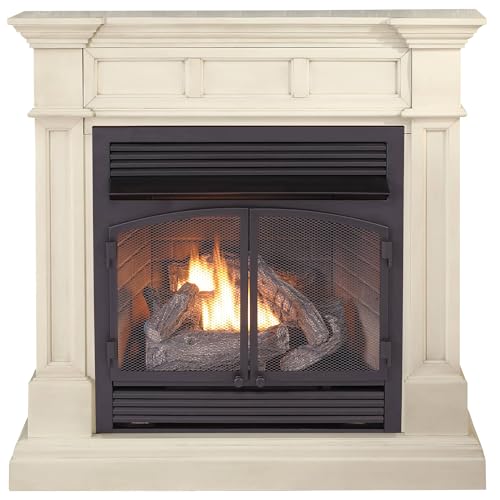
Double Sided See Through Gas Fireplace
Discover the ultimate guide to double sided see through gas fireplaces. Learn how these architectural features can connect two rooms, their venting options, heating capacity, and how to choose the perfect model for your home.
START EXPLORINGWhat Is a Double Sided See Through Gas Fireplace?
A double sided see through gas fireplace is a stunning architectural feature that allows you to enjoy a real flame from two adjacent spaces simultaneously. Unlike traditional single-sided fireplaces that are built into one wall, a see-through model features a firebox with glass on both sides, creating a transparent visual connection between rooms. This makes them an exceptional choice for open-concept living areas, dividing walls between a living room and dining room, or even indoor-outdoor transitions.
These fireplaces are powered by natural gas or propane, offering the convenience of instant ignition, consistent flames, and minimal maintenance compared to wood-burning alternatives. Whether you are designing a new home or renovating an existing space, a double sided gas fireplace can serve as a breathtaking focal point that enhances both ambiance and property value. For those exploring different fuel options, our guide on types of fireplaces provides a comprehensive overview.
How Does a See Through Gas Fireplace Work?
Understanding the mechanics of a double sided gas fireplace is essential before making a purchase. These units operate using a sealed combustion chamber, meaning the firebox is completely isolated from the room's air. Fresh air for combustion is drawn from the outside through a vent pipe, and exhaust gases are expelled outside through a separate channel. This design, known as direct venting, ensures that no indoor air is used for combustion and no harmful byproducts enter your living space.
The gas is supplied through a dedicated line, and the flames are ignited either by a standing pilot light or an electronic ignition system. Modern models often include remote controls, thermostats, and even smart home integration. For a deeper dive into how gas fireplaces function and their installation requirements, refer to our gas fireplace installation guide.
Types of Double Sided See Through Gas Fireplaces
Not all see-through gas fireplaces are created equal. They come in several configurations, each suited to different architectural needs and design preferences.
1. Indoor See-Through Gas Fireplaces
These are designed to be installed in an interior wall, allowing you to enjoy the fire from two adjoining rooms such as a living room and a bedroom, or a kitchen and a dining area. They are ideal for creating a sense of connection and openness in your home. If you are considering an indoor-outdoor transition, you might also explore an indoor outdoor two sided gas fireplace which offers even more versatility.
2. Indoor-Outdoor See-Through Gas Fireplaces
These units are specifically engineered to be installed in an exterior wall, with one side facing the interior and the other side facing a patio, deck, or covered outdoor living space. They allow you to extend your living area and enjoy the ambiance of a fire both inside and outside. This is a popular choice for homes with covered patios or sunrooms.
3. Ventless (Vent-Free) See-Through Gas Fireplaces
Ventless models do not require a chimney or vent pipe, making them easier and less expensive to install. However, they are not permitted in all states or municipalities due to indoor air quality regulations. They burn gas very efficiently but release moisture and some combustion byproducts into the room. Always check local building codes before purchasing a ventless unit. For more information on venting options, see our article on whether you need a chimney or vent.
4. Direct Vent See-Through Gas Fireplaces
Direct vent models are the most common and are considered the safest and most efficient option. They use a coaxial vent pipe that draws in outside air for combustion and expels exhaust gases outdoors. This sealed system ensures excellent indoor air quality and allows for flexible installation, as the vent can terminate horizontally through a wall or vertically through a roof. For a related option, consider a direct vent gas fireplace with blower for enhanced heat distribution.
Pros and Cons of a Double Sided See Through Gas Fireplace
Before committing to a see-through gas fireplace, it's important to weigh the advantages against the potential drawbacks.
✅ Advantages
- Creates a stunning visual connection between two spaces
- Serves as a unique architectural focal point
- Provides ambient heat to two rooms simultaneously
- Convenient operation with remote control and thermostat options
- Clean-burning and energy-efficient compared to wood
- Increases home value and appeal
- No ash, soot, or wood storage required
❌ Disadvantages
- Higher initial cost than single-sided models
- More complex installation, often requiring professional help
- Requires a larger wall footprint and framing
- Heat output is split between two rooms, so each receives less warmth
- Limited placement options due to venting requirements
- Glass on both sides requires more frequent cleaning
- Not ideal for small rooms where a single-sided unit would suffice
Sizing and BTU Requirements for Double Sided Fireplaces
Choosing the right size and heating capacity is crucial for both aesthetic balance and functional performance. A double sided fireplace that is too small may look underwhelming, while one that is too large can overwhelm the space and produce excessive heat.
BTU (British Thermal Unit) ratings indicate how much heat a fireplace can produce. For a double sided see-through gas fireplace, the total BTU output is divided between the two rooms. Therefore, you need to consider the combined square footage of both spaces when selecting a model.
As a general guideline, you need approximately 20 BTUs per square foot of space. For example, if you are heating two rooms that together measure 600 square feet, you would need a fireplace with an output of at least 12,000 BTUs. However, factors such as ceiling height, insulation, and climate will affect this calculation. Our detailed guide on fireplace heating capacity and BTU can help you determine the exact requirements for your home.
For a more precise calculation, use our fireplace sizing worksheet.
Installation Considerations for See Through Gas Fireplaces
Installing a double sided see-through gas fireplace is a significant project that typically requires professional expertise. Here are the key factors to consider:
- Wall Structure: You need a wall thick enough to accommodate the firebox and venting. This often means building a new partition wall or modifying an existing one.
- Venting: Direct vent models require a pathway to the outside for the coaxial vent pipe. The location of this vent will dictate where the fireplace can be placed.
- Gas Line: A dedicated gas line must be run to the unit. If you do not have an existing gas connection nearby, this can add to the installation complexity and cost. For those without a gas line, exploring options like a gas fireplace without a gas line may be necessary.
- Electrical: Most modern gas fireplaces require electricity for ignition, blowers, and remote control receivers.
- Clearances: You must adhere to strict clearance requirements from combustible materials such as framing, flooring, and mantels. Non-combustible materials like stone or tile are often required around the opening. For mantel options, see our guide on non-combustible fireplace mantel shelves.
- Permits: Building permits are almost always required for gas fireplace installation. Check with your local municipality. Our article on fireplace permit requirements provides more details.
Given the complexity, it is highly recommended to hire a certified gas fireplace installer or a licensed contractor. For a comprehensive overview, see our fireplace installation guide.
Efficiency and Operating Costs
Double sided see-through gas fireplaces are generally very efficient, especially direct vent models which can achieve efficiency ratings of 70% to 90% or higher. This means that a large portion of the heat generated is actually used to warm your home, rather than being lost up a chimney.
The operating cost of a gas fireplace depends on the price of natural gas or propane in your area, the BTU rating of the unit, and how often you use it. While gas fireplaces are more expensive to operate than electric fireplaces on a per-hour basis in some regions, they typically provide a more realistic flame and can be more effective at heating a space. For a detailed comparison, read our article on electric vs gas fireplace running costs.
To maximize efficiency, consider a model with a blower, which circulates heated air into the room more effectively. You can learn more in our guide on fireplace blower fans.
Maintenance for Double Sided Gas Fireplaces
Gas fireplaces are relatively low-maintenance, but they do require some routine care to ensure safety and optimal performance.
- Annual Inspection: Have a qualified technician inspect the fireplace, venting, and gas connections annually. This is crucial for safety and to catch any potential issues early. See our guide on annual fireplace inspection.
- Glass Cleaning: The glass on both sides of a see-through fireplace will develop a slight film over time. Clean it with a non-abrasive, ammonia-free cleaner specifically designed for fireplace glass. Our article on how to clean fireplace glass offers step-by-step instructions.
- Burner and Log Cleaning: Dust and debris can accumulate on the burner and logs. Gently vacuum or brush them clean according to the manufacturer's instructions. See our guide on how to clean a gas fireplace burner.
- Vent Inspection: Ensure the exterior vent termination is clear of obstructions like bird nests, leaves, or snow. For a comprehensive routine, refer to our gas fireplace maintenance guide.
Design Ideas and Placement
A double sided see-through gas fireplace is a versatile design element that can be incorporated into various room layouts.
- Living Room and Dining Room: Create a seamless flow between your main living area and dining space. This is one of the most classic applications.
- Living Room and Kitchen: Add warmth and ambiance to both your cooking and relaxation spaces. A see-through fireplace can make a kitchen feel more inviting.
- Bedroom and Bathroom: For a luxurious master suite, a see-through fireplace between the bedroom and a freestanding tub area creates a spa-like retreat.
- Indoor-Outdoor Living: Extend your living space by installing an indoor-outdoor unit. This is perfect for entertaining and enjoying your patio year-round. For related outdoor ideas, see our contemporary outdoor fireplace designs.
- Room Divider: Use a see-through fireplace as a stylish and functional room divider in an open-plan home. It defines spaces without closing them off. For inspiration, explore our fireplace sizing for open concept rooms guide.
Frequently Asked Questions
Can a double sided gas fireplace heat two rooms effectively?
Yes, but the heat output is divided between the two spaces. It is best used for supplemental heating and ambiance rather than as a primary heat source for a large home. The effectiveness depends on the BTU rating and the size of the rooms. Our guide on whether a fireplace can heat an entire house provides more context.
Are ventless see-through gas fireplaces safe?
Ventless fireplaces are considered safe when installed and operated according to the manufacturer's instructions and local codes. However, they do release moisture and trace amounts of combustion byproducts into the room, so they are not permitted in all areas. Proper ventilation and a CO detector are essential. Learn more about carbon monoxide signs from fireplaces.
How much does it cost to install a double sided gas fireplace?
The cost of installation varies widely based on the complexity of the project, the need for a new gas line, venting requirements, and local labor rates. It is best to consult with a local professional for an accurate estimate. Our article on the fireplace cost breakdown can give you a general idea of the factors involved.
Can I install a double sided gas fireplace myself?
Due to the complexity of gas lines, venting, and electrical work, installation is a job for licensed professionals. Attempting a DIY installation can be dangerous and may void your warranty and home insurance. See our guide on DIY vs professional fireplace installation.
Do double sided gas fireplaces require a chimney?
Direct vent models require a vent pipe, but not a traditional masonry chimney. Ventless models do not require any venting, but they have their own set of regulations. Our article on whether fireplaces need a chimney explains this in more detail.