Zone Heating with a Fireplace: The Smart Way to Warm Your Home
Stop paying to heat empty rooms. Learn how strategic fireplace zone heating can reduce your energy consumption, lower your utility bills, and keep your family cozy where it matters most.
Start LearningThe Zone Heating Principle: Instead of heating your entire home to a comfortable temperature, zone heating focuses on warming only the rooms you are actively using. A fireplace is one of the most effective and aesthetically pleasing tools for this strategy.
What Is Zone Heating and Why Does It Matter?
Zone heating is a targeted approach to home comfort where you heat only the specific areas you occupy, rather than maintaining a uniform temperature throughout the entire house. The concept is simple: why heat bedrooms, guest rooms, and hallways when everyone is gathered in the living room? By using a fireplace as your primary heat source for a single zone, you can dramatically reduce the workload on your central heating system.
This strategy is particularly effective for homeowners who spend most of their waking hours in one or two rooms. A well-placed gas fireplace or a high-efficiency wood-burning fireplace can serve as the anchor of your zone heating plan. According to energy efficiency principles, every degree you lower your central thermostat can translate into measurable savings on your monthly utility bill.
For a broader foundation on how different fireplaces perform, see our fireplace heating capacity BTU guide, which explains how to match a unit's output to your room's needs.
How Zone Heating with a Fireplace Works
The mechanics of zone heating are straightforward. You set your central thermostat lower than usual—perhaps at a baseline temperature that prevents pipes from freezing or keeps the chill off—and then use your fireplace to bring the occupied room up to a comfortable level. The fireplace becomes the primary heat source for that specific zone.
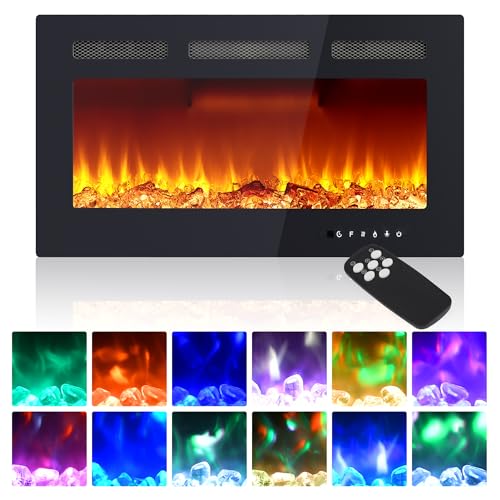
Modern fireplaces are remarkably efficient at this task. A ventless gas fireplace, for example, operates at extremely high efficiency because almost all of the heat it produces stays in the room rather than escaping through a chimney. Similarly, a realistic electric fireplace can provide supplemental warmth with the simple push of a button, making it ideal for apartments or rooms without existing venting infrastructure.
The key is to understand that your fireplace is not competing with your furnace—it is complementing it. By focusing heat where it is needed, you avoid the waste associated with heating unused spaces. This is especially relevant in open-concept homes, where a well-placed fireplace can define a living zone while providing warmth.
Which Fireplace Type Is Best for Zone Heating?
Not all fireplaces are created equal when it comes to zone heating. The ideal choice depends on your home's layout, your existing infrastructure, and your heating goals. Below is a comparison of the most common options.
| Fireplace Type | Best For | Heating Efficiency | Considerations |
|---|---|---|---|
| Gas Fireplace | Convenience, precise temperature control, and consistent heat output. | High (especially ventless models) | Requires a gas line or propane supply; venting requirements vary by model. |
| Electric Fireplace | Apartments, rooms without venting, and easy installation. | Moderate to High (nearly 100% efficient at point of use) | Requires a dedicated circuit for high-BTU models; lifespan varies by quality tier. |
| Wood-Burning Fireplace | Traditional ambiance, off-grid capability, and high heat output. | Variable (depends on model and wood quality) | Requires a chimney, regular maintenance, and a supply of seasoned firewood. |
| Ethanol Fireplace | Eco-conscious homeowners and modern aesthetics. | Moderate | No venting required, but fuel can be costly; best for supplemental ambiance and light heating. |
For a detailed breakdown of each fuel type, explore our guide on types of fireplaces explained. If you are specifically interested in heating capacity, our article on the most energy-efficient fireplace types provides further insight.
Sizing Your Fireplace for Effective Zone Heating
An undersized fireplace will struggle to warm the room, while an oversized unit will quickly drive you out of the space and waste energy. The key metric is BTU (British Thermal Unit) output. As a general rule of thumb, you need approximately 20 to 30 BTUs per square foot of living space, but this varies based on ceiling height, insulation quality, and climate.
For a more precise calculation, our how to size a fireplace guide walks you through the formula step by step. If you are specifically targeting a large room, consider a high-output electric fireplace heater or a wood-burning insert with a blower to distribute heat evenly.
Zone heating works best when the fireplace is matched to the room's dimensions and heat loss characteristics. Our fireplace proportions and room shape article can help you visualize the ideal placement.
The Benefits of Zone Heating with a Fireplace
Adopting a zone heating strategy offers several compelling advantages:
- Lower Energy Bills: By reducing reliance on your central furnace, you can cut down on gas or electricity consumption. Our articles on electric vs gas running costs and daily running costs break down the numbers.
- Increased Comfort: Nothing beats the radiant warmth of a fire. A fireplace provides a cozy, inviting atmosphere that a forced-air furnace simply cannot replicate.
- Environmental Impact: Using a high-efficiency fireplace as a supplemental heat source can reduce your overall carbon footprint, especially if you choose a ventless gas model or a renewable fuel source like ethanol.
- Emergency Preparedness: In the event of a power outage, a wood-burning or gas fireplace can serve as a critical backup heat source. See our wood-burning fireplace guide for more on this.
💡 Pro Tip: Pair your zone heating strategy with a smart Wi-Fi fireplace controller or a programmable thermostat to automate temperature control and maximize savings.
Potential Drawbacks and How to Mitigate Them
While zone heating is highly effective, it is not without its challenges. Understanding these can help you plan a successful implementation.
- Temperature Imbalance: The heated room may become significantly warmer than the rest of the house. This is normal, but you should ensure that doors are closed to contain the heat. Using a fireplace blower fan can help circulate air more evenly.
- Maintenance Requirements: Fireplaces require regular upkeep. Our maintenance schedule and seasonal checklist can help you stay on top of it. For wood-burning units, creosote buildup prevention is essential.
- Safety Considerations: Always follow safety guidelines. Ensure proper ventilation, keep furniture at a safe distance (see furniture distance), and install carbon monoxide detectors if using combustion-based units.
- Initial Investment: While long-term savings are significant, the upfront cost of a high-quality fireplace and installation can be substantial. Our cost breakdown provides a transparent overview.
Maximizing Efficiency: Tips for Zone Heating Success
To get the most out of your zone heating strategy, consider these expert recommendations:
- Seal the Zone: Close doors to unoccupied rooms. If your home has an open floor plan, consider using a room addition fireplace or a linear fireplace designed to distribute heat across a wide area.
- Optimize Thermostat Settings: Lower your central thermostat by 5–10 degrees while the fireplace is in use. This is the core of the savings equation.
- Use a Blower or Fan: A gas insert with a blower or a ventless insert with blower can push warm air into the room more effectively, reducing the time it takes to reach a comfortable temperature.
- Choose the Right Fuel: Natural gas and propane are convenient and clean-burning. For a comparison, read our natural gas vs propane fireplace guide.
- Invest in Insulation: Proper insulation and weatherstripping prevent heat from escaping, making your zone heating efforts more effective. Don't overlook the importance of preventing downdraft from an unused chimney.
Common Mistakes to Avoid with Fireplace Zone Heating
Even a well-intentioned zone heating plan can go awry if you make these common errors:
- Oversizing the Fireplace: A unit that is too powerful will overheat the room and force you to open windows, wasting energy. Always size your fireplace correctly.
- Neglecting Maintenance: A dirty or poorly maintained fireplace operates inefficiently. Follow our fireplace maintenance guidelines and schedule regular annual inspections.
- Ignoring Venting Requirements: Improper venting can lead to safety hazards and reduced efficiency. Consult our do you need a chimney or vent guide.
- Placing Furniture Too Close: This is a fire hazard and can block heat distribution. Always maintain a safe clearance, as outlined in our furniture distance guide.
- Forgetting About the Rest of the House: While zone heating saves energy, you still need to prevent pipes from freezing in unheated areas. Keep your central thermostat at a safe minimum.
Frequently Asked Questions About Zone Heating with a Fireplace
Can a fireplace really heat an entire house?
While a single fireplace is not designed to heat an entire house, it can be an effective primary heat source for a specific zone. For whole-home heating, you would need a central system. However, our article on whether a fireplace can heat an entire house explores the possibilities with high-efficiency models and proper air circulation.
Is zone heating with a fireplace safe?
Yes, when installed and maintained correctly. Always follow the manufacturer's instructions and local building codes. Ensure proper ventilation, keep flammable materials away, and install carbon monoxide detectors. For more safety information, see our ventless fireplace safety guide and carbon monoxide signs article.
How much can I save with zone heating?
Savings vary based on your home's size, insulation, climate, and energy costs. However, by lowering your central thermostat by 5–10 degrees for 8 hours a day, you can potentially save a significant percentage on your heating bill. Our guides on energy-saving tips and electric vs gas running costs provide more detail.
Which fireplace type is most efficient for zone heating?
Ventless gas fireplaces and electric fireplaces are generally the most efficient at point-of-use because they lose very little heat through a chimney. However, the "best" choice depends on your specific circumstances. Our most energy-efficient fireplace types article offers a comprehensive comparison.
Do I need a blower for my fireplace to zone heat effectively?
A blower is not strictly necessary, but it can significantly improve heat distribution. A fireplace blower fan circulates warm air into the room more quickly and evenly. For insert models, a wood-burning insert with blower or a gas insert with blower is highly recommended.
Final Thoughts: Is Zone Heating Right for You?
Zone heating with a fireplace is a smart, strategic approach to home comfort that can deliver real financial and environmental benefits. By focusing your heating efforts on the rooms you actually use, you reduce waste, lower your utility bills, and enjoy the unmatched ambiance of a real fire.
Whether you choose a convenient gas model, a versatile electric unit, or a traditional wood-burning fireplace, the key is to plan carefully, size correctly, and maintain your system diligently. With the right approach, your fireplace can become the heart of a more efficient and comfortable home.
Ready to explore your options? Dive into our fireplace buying guide for a step-by-step walkthrough of the selection process.