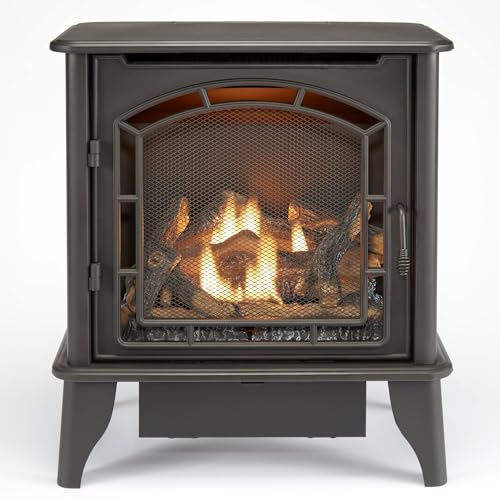
Ventless Gas Fireplace: The Complete Guide to Safe & Efficient Heating
Everything you need to know about vent-free gas fireplaces — how they work, safety considerations, installation requirements, and how to choose the right model for your home.
Start Your ResearchWhy homeowners choose ventless gas fireplaces: They offer the warmth and ambiance of a real fire without the need for a chimney or exterior venting. This makes them a popular choice for apartments, basements, and rooms where traditional venting is impractical. However, understanding how they work and their safety requirements is essential before you buy.
What Is a Ventless Gas Fireplace?
A ventless gas fireplace — also called a vent-free or unvented gas fireplace — is a heating appliance that burns natural gas or propane and releases the combustion byproducts directly into the room. Unlike vented gas fireplaces, which require a chimney or flue to exhaust gases outdoors, ventless models are designed to burn fuel cleanly enough that the emissions are considered safe for indoor air.
These units operate at very high efficiency — typically 92% to 99% — because almost all the heat they produce stays in the room rather than escaping up a chimney. That makes them an attractive option for zone heating, where you warm only the rooms you are using instead of heating the entire house.
Ventless gas fireplaces come in several forms: built-in inserts, freestanding units, wall-mounted models, and ventless gas logs that can be placed in an existing fireplace opening. Each type has its own installation requirements and heating capacity.
How Ventless Gas Fireplaces Work
Understanding the mechanics helps you make an informed decision. Here is the basic process:
The Combustion Process
- Fuel: Natural gas or propane is fed to a burner.
- Ignition: A pilot light or electronic ignition starts the flame.
- Combustion: The gas burns with a controlled air-to-fuel ratio.
- Heat Release: The flame heats ceramic logs or coals, which radiate warmth.
- Emissions: The byproducts — primarily carbon dioxide and water vapor — are released into the room.
Key Components
- Oxygen Depletion Sensor (ODS): A critical safety device that shuts off the unit if oxygen levels drop.
- Burner: Designed to produce a clean, efficient flame.
- Ceramic Logs or Coals: Radiate heat and mimic the look of a real wood fire.
- Thermostat or Remote: Many modern models offer convenient temperature control.
The oxygen depletion sensor is the most important safety feature. It continuously monitors the oxygen level in the room. If it drops below a safe threshold — typically around 18% — the sensor shuts off the gas supply. This prevents the unit from consuming all the available oxygen and creating a hazardous situation.
Ventless vs. Vented Gas Fireplaces: Key Differences
If you are comparing your options, this table highlights the most important distinctions. For a deeper analysis, see our full comparison of venting vs. ventless gas fireplaces.
| Feature | Ventless Gas Fireplace | Vented Gas Fireplace |
|---|---|---|
| Venting | No chimney or flue required | Requires chimney or direct vent |
| Efficiency | 92%–99% (almost all heat stays indoors) | 70%–85% (some heat escapes outdoors) |
| Installation | Flexible; can be installed in almost any room | Limited to locations with existing or new venting |
| Indoor Air Quality | Releases combustion byproducts indoors; requires ventilation | Exhausts byproducts outdoors |
| Best For | Apartments, basements, rooms without chimneys | Homes with existing chimneys or easy venting access |
| Safety Requirements | Must have ODS; some states restrict use | Standard venting and inspection requirements |
For a more detailed side-by-side, read our article on ventless vs. vented gas fireplaces.
Safety Considerations for Ventless Gas Fireplaces
Safety is the number one concern for anyone considering a ventless gas fireplace. When installed and used correctly, these units are safe. However, they are not suitable for every home or every situation. Here is what you need to know.
Key Safety Rules
- Never install in a bedroom or bathroom: Most building codes prohibit ventless gas fireplaces in these rooms due to extended exposure risks.
- Always use an ODS-equipped unit: The oxygen depletion sensor is a non-negotiable safety feature.
- Provide adequate ventilation: Follow the manufacturer's guidelines for room size and air exchange.
- Install carbon monoxide detectors: Place them near the fireplace and in sleeping areas.
- Follow local codes: Some states and municipalities restrict or ban ventless gas fireplaces. Check with your local building department before purchasing.
- Never use in a confined space: The room must meet minimum cubic footage requirements (usually specified by the manufacturer).
If you are concerned about indoor air quality, you may also want to explore ventless fireplace safety in more detail. For homes where ventless is not permitted, a vented gas fireplace or electric fireplace may be a better alternative.
Types of Ventless Gas Fireplaces
Ventless gas fireplaces come in several configurations to suit different spaces and needs. Here are the most common types:
Ventless Gas Inserts
These are designed to fit into an existing fireplace opening. They convert a traditional wood-burning fireplace into a convenient gas appliance. Many models include a blower to circulate heat more effectively. If you want the added comfort of a blower, look for a ventless gas fireplace insert with blower.
Ventless Gas Log Sets
These are sets of ceramic logs with a burner that can be placed in an existing fireplace. They are a budget-friendly way to enjoy gas heating. For more options, see our guide to ventless fireplace logs.
Freestanding Ventless Fireplaces
These are self-contained units that can be placed almost anywhere. They are ideal for apartments, basements, or rooms without a fireplace. Some models include a thermostat for precise temperature control, such as a ventless propane heater with thermostat.
Wall-Mounted Ventless Fireplaces
These are sleek, modern units that mount directly on the wall. They save floor space and offer a contemporary look. They are a popular choice for small apartments and condos.
Installation Requirements for Ventless Gas Fireplaces
Installing a ventless gas fireplace is generally simpler than installing a vented model, but it still requires careful planning. Here are the key requirements:
- Gas Line: You need a gas line connection — either natural gas or propane. If you do not have a gas line, you will need to have one installed by a professional. Learn more in our article on gas fireplaces without a gas line.
- Electrical Outlet: Most modern units with electronic ignition or blowers require a nearby electrical outlet.
- Clearances: Maintain the required clearances from combustible materials, as specified in the manual. This includes furniture, curtains, and TVs above the fireplace.
- Room Size: The room must meet the minimum cubic footage requirement. This is usually calculated based on the BTU output of the unit.
- Professional Installation: While some DIY ventless fireplace projects are possible, gas line connections should always be handled by a licensed professional.
For a broader overview, see our gas fireplace installation requirements guide. If you are considering a DIY approach, our article on DIY vs. professional fireplace installation can help you decide.
Efficiency and Heating Capacity
Ventless gas fireplaces are among the most efficient heating appliances available. Because they do not lose heat through a chimney, almost all the energy they consume is converted into usable heat. This makes them an excellent choice for energy-efficient fireplace types.
Heating capacity is measured in BTU (British Thermal Units). A typical ventless gas fireplace produces between 20,000 and 40,000 BTUs. As a general rule, you need about 20 BTUs per square foot of living space. So a 30,000 BTU unit can effectively heat a room up to about 1,500 square feet, depending on insulation and climate.
For a detailed guide on sizing, see our article on fireplace heating capacity and BTU. You can also use our fireplace sizing guide to determine the right size for your room.
Pros and Cons of Ventless Gas Fireplaces
Pros
- High Efficiency: 92%–99% efficiency means lower energy bills.
- Flexible Installation: No chimney or venting required.
- Cost-Effective: Generally less expensive to install than vented models.
- Zone Heating: Ideal for heating specific rooms.
- Convenience: Easy to operate with a thermostat or remote.
Cons
- Indoor Air Quality: Releases combustion byproducts indoors.
- Moisture: Produces water vapor, which can increase humidity.
- Regulations: Restricted or banned in some states and municipalities.
- Not for Bedrooms: Generally not allowed in bedrooms or bathrooms.
- Odor: Some people notice a slight smell when the unit is running.
Maintenance Tips for Ventless Gas Fireplaces
Regular maintenance keeps your ventless gas fireplace running safely and efficiently. Here are some essential tasks:
- Clean the Logs and Burner: Dust and debris can affect flame quality. Learn how to clean a gas fireplace burner.
- Inspect the ODS: Ensure the oxygen depletion sensor is free of dust and debris.
- Check the Pilot Light: A weak or yellow pilot light may indicate a problem. See our guide on pilot lights that keep going out.
- Schedule Annual Inspections: A professional inspection ensures all components are working correctly. See our annual fireplace inspection guide.
- Follow the Maintenance Schedule: Use our fireplace maintenance schedule to stay on track.
For more detailed maintenance advice, see our gas fireplace maintenance guide.
Troubleshooting Common Ventless Gas Fireplace Issues
Even the best appliances can develop problems. Here are some common issues and how to address them:
Fireplace Won't Light
Check the gas supply, pilot light, and ignition system. If the pilot light is out, follow the manufacturer's instructions to relight it. For more help, see our guide on gas fireplaces that won't light.
Weak or Yellow Flame
A weak or yellow flame can indicate a blockage in the burner or a problem with the gas pressure. See our article on weak flames on gas fireplaces.
Smells Like Gas
If you smell gas, turn off the unit immediately and ventilate the room. Do not use any electrical switches. Contact a professional. See our guide on gas fireplace smells.
Making Noise
Some noise is normal, but persistent buzzing or rattling may indicate a problem. See our article on fireplace making noise.
For a comprehensive list, visit our fireplace troubleshooting hub.
How to Choose the Right Ventless Gas Fireplace
When shopping for a ventless gas fireplace, consider these factors:
- Heating Capacity: Match the BTU output to your room size. Use our sizing guide.
- Fuel Type: Natural gas or propane? If you don't have a gas line, propane may be easier. See our comparison of natural gas vs. propane fireplaces.
- Installation Type: Insert, freestanding, or wall-mounted? Consider your space and needs.
- Features: Look for a thermostat, remote control, or blower for added convenience. A ventless gas fireplace insert with blower and remote control offers the most control.
- Style: Choose a design that complements your home decor. For inspiration, see our living room decor ideas with fireplace.
- Safety Certifications: Ensure the unit is certified by a recognized testing agency (e.g., CSA, UL).
For a step-by-step buying process, see our fireplace buying guide.
Ready to Find Your Perfect Ventless Gas Fireplace?
Explore our recommended models below. We have selected top-rated ventless gas fireplaces that offer excellent performance, safety, and value.
View Recommended ModelsFrequently Asked Questions About Ventless Gas Fireplaces
Are ventless gas fireplaces safe?
Yes, when installed and used according to the manufacturer's instructions, ventless gas fireplaces are safe. They are equipped with an oxygen depletion sensor (ODS) that shuts off the unit if oxygen levels drop. However, they are not allowed in all states or in all rooms (e.g., bedrooms). Always check local codes.
Do ventless gas fireplaces produce carbon monoxide?
Ventless gas fireplaces produce very low levels of carbon monoxide — typically less than 10 parts per million (ppm). This is considered safe by industry standards. However, it is always recommended to install a carbon monoxide detector. For more information, see our article on carbon monoxide signs from fireplaces.
Can I install a ventless gas fireplace in a bedroom?
Most building codes prohibit the installation of ventless gas fireplaces in bedrooms and bathrooms. This is because these rooms are often smaller and less ventilated, increasing the risk of oxygen depletion. Always check with your local building department.
How much ventilation does a ventless gas fireplace need?
The manufacturer specifies the minimum room size and ventilation requirements. As a general rule, the room must have enough cubic footage to support complete combustion. Some units require a window to be slightly open during operation. Always follow the manual.
Do ventless gas fireplaces smell?
Some people notice a slight odor when the unit is first turned on, which is usually temporary. If the smell persists, it may indicate a problem with the combustion process. See our guide on fireplace musty smell for more information.
Can a ventless gas fireplace heat an entire house?
No, ventless gas fireplaces are designed for zone heating — heating a single room or area. They are not intended to replace a central heating system. For whole-house heating, you would need a different solution. See our article on can a fireplace heat an entire house.
What is the lifespan of a ventless gas fireplace?
With proper maintenance, a ventless gas fireplace can last 10 to 15 years or more. Regular cleaning and annual inspections help extend its life. See our article on fireplace lifespan.
Are ventless gas fireplaces expensive to run?
Because they are highly efficient, ventless gas fireplaces are generally inexpensive to run compared to other heating options. The actual cost depends on your fuel type and local energy rates. For a comparison, see our article on electric vs. gas fireplace running costs.
Final Thoughts
Ventless gas fireplaces offer a convenient, efficient, and flexible way to add warmth and ambiance to your home. They are particularly well-suited for apartments, basements, and rooms where traditional venting is not possible. However, they are not without their limitations, and safety must always be the top priority.
Before you buy, check your local building codes, assess your room size and ventilation, and choose a model with an oxygen depletion sensor. With the right unit and proper installation, a ventless gas fireplace can provide years of comfortable, efficient heat.
For more information on related topics, explore our guides on ventless gas logs, ventless inserts with blowers, and venting vs. ventless gas fireplaces.