Wood Burning Fireplace Guide
Everything you need to know about wood burning fireplaces — from choosing the right type and understanding efficiency to installation, maintenance, and safe operation for years of reliable warmth.
Start Your ResearchWood Burning Fireplace Basics
Wood burning fireplaces have been a cornerstone of home heating for centuries. Modern designs, however, are a far cry from the open hearths of the past. Today's wood burning options range from traditional masonry fireplaces to high-efficiency inserts and freestanding stoves — each with distinct advantages for different homes and heating goals.
Before you choose a specific model, it's helpful to understand the broader types of fireplaces available and how wood compares to other fuel sources. If you're still weighing your options, our guide on which fireplace is right for your home can help you narrow the field.
Traditional Masonry
Built-in brick or stone fireplaces with a chimney. They offer timeless appeal but typically have lower efficiency and require significant construction.
Wood Burning Inserts
Designed to fit into an existing fireplace opening, inserts dramatically improve efficiency and heat output while reducing emissions.
Freestanding Stoves
Independent units that radiate heat from all sides. They're highly efficient and can be placed almost anywhere with proper venting.
Types of Wood Burning Fireplaces
Choosing the right type depends on your home's existing structure, your heating needs, and your aesthetic preferences. Here's a detailed look at the main categories.
1. Traditional Open Masonry Fireplaces
These are the classic brick or stone fireplaces built into the home's structure. They provide ambiance and a focal point but are notoriously inefficient — most heat escapes up the chimney. If you love the look but want better performance, a wood burning fireplace insert can transform an open hearth into a powerful heater.
2. Wood Burning Inserts
An insert is a metal firebox that fits into an existing masonry fireplace. It's equipped with a glass door, a blower fan, and a liner system that improves combustion and heat transfer. Many homeowners find that an insert is the single most effective upgrade for an old fireplace. For a deeper dive, see our guide to wood burning fireplace inserts and the benefits of a wood burning fireplace insert with blower.
3. Freestanding Wood Stoves
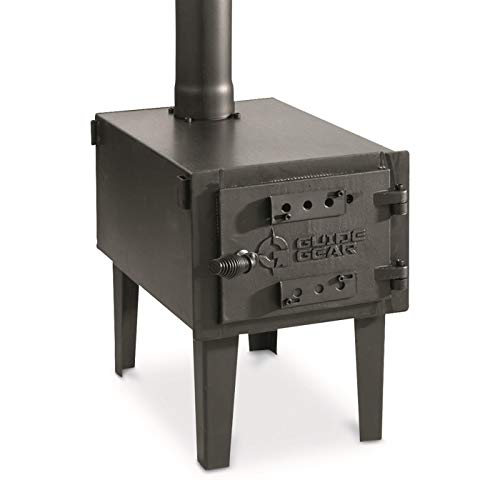
Freestanding stoves are standalone appliances that sit in the room and vent through a wall or ceiling. They are among the most efficient wood burning options and are ideal for zone heating. If you're considering this route, our article on installing a wood stove in an existing fireplace covers the conversion process.
4. High-Efficiency & Zero-Clearance Models
Modern high-efficiency fireplaces are engineered to burn cleaner and extract more heat from every log. Zero-clearance units can be installed close to combustible materials, making them versatile for renovations. Explore high-efficiency wood burning fireplace inserts and zero-clearance wood burning fireplaces for advanced options.
Understanding Efficiency & BTU Output
Efficiency ratings tell you how much of the wood's energy is converted into usable heat rather than lost up the chimney. Traditional open fireplaces operate at around 10–15% efficiency, while modern inserts and stoves can reach 70–80% or higher.
BTU (British Thermal Units) measure heat output. A typical wood burning fireplace might produce 20,000–60,000 BTUs, depending on size and design. Matching BTU output to your room size is critical — too much heat makes the space uncomfortable, while too little leaves you cold. Our fireplace heating capacity BTU guide walks you through the calculation.
| Fireplace Type | Typical Efficiency | Heat Output Range | Best For |
|---|---|---|---|
| Traditional Open Masonry | 10–15% | Low to Moderate | Ambiance & occasional use |
| Mid-Range Insert | 60–70% | Moderate to High | Supplemental heating |
| Premium Insert / Stove | 70–80%+ | High | Primary or zone heating |
| High-Efficiency Zero-Clearance | 70–80%+ | High | New construction & renovations |
Installation & Venting Requirements
Proper installation is non-negotiable for safety and performance. Wood burning fireplaces require a chimney or venting system that safely exhausts smoke and gases. Key considerations include:
- Chimney A masonry or metal chimney must be sized correctly and inspected annually.
- Liner Inserts require a stainless steel liner to connect to the chimney flue.
- Clearances Maintain safe distances from combustible materials — walls, floors, and furniture.
- Permits Many jurisdictions require a permit for new installations or major modifications.
For a comprehensive overview, see our fireplace installation guide and the guide on whether you need a chimney or vent. If you're hiring a professional, our article on DIY vs professional installation can help you decide.
Maintenance & Safety
A wood burning fireplace requires regular maintenance to operate safely and efficiently. The most important tasks include:
Chimney Cleaning
Creosote — a flammable byproduct of burning wood — accumulates in the flue and must be removed annually. Our chimney cleaning guide explains when and how to do it.
Ash Removal
Regular ash removal keeps the firebox clean and improves airflow. Follow our ash removal & disposal guide for safe practices.
Seasonal Checks
Before each heating season, inspect the firebox, damper, and chimney. Our seasonal maintenance checklist covers everything.
Glass Cleaning
If your fireplace has glass doors, keep them clean for better visibility and heat transfer. See how to clean fireplace glass.
For a complete maintenance routine, visit our wood fireplace maintenance hub and the monthly & yearly maintenance schedule.
Pros & Cons of Wood Burning Fireplaces
✅ Advantages
- Authentic ambiance and crackling sound
- Can serve as a reliable heat source during power outages
- Renewable fuel source if wood is sustainably sourced
- High-efficiency models reduce heating costs
- Adds significant charm and home value
❌ Disadvantages
- Requires regular maintenance and cleaning
- Wood storage and handling can be messy
- Emissions and local air quality regulations may apply
- Installation can be costly and complex
- Not ideal for homes without existing chimney infrastructure
How to Choose the Right Wood Burning Fireplace
Start by assessing your goals: Are you looking for ambiance, supplemental heat, or a primary heating source? Then consider your home's layout, existing chimney, and local regulations.
- Entry-Level Basic open masonry fireplace or a simple stove — ideal for occasional use and ambiance.
- Mid-Range Quality insert or freestanding stove with a blower — good balance of efficiency and features.
- Premium High-efficiency insert or stove with advanced combustion, thermostat control, and premium materials.
- Luxury Custom masonry or high-end zero-clearance fireplace with bespoke design and top-tier performance.
For a step-by-step buying framework, see our fireplace buying guide and the fireplace sizing worksheet.
Frequently Asked Questions
Can a wood burning fireplace heat an entire house?
It can, but it depends on the home's layout, insulation, and the fireplace's efficiency. A high-efficiency insert or stove with a blower can heat a large area, but most homes use wood heat as a supplement. See our guide on whether a fireplace can heat an entire house.
How often should I clean my chimney?
At least once a year, or more frequently if you burn wood often. Creosote buildup is the leading cause of chimney fires. Our chimney cleaning guide has detailed recommendations.
What is the most efficient wood burning option?
High-efficiency wood burning inserts and freestanding stoves with secondary combustion or catalytic converters are the most efficient. Explore most energy-efficient fireplace types for comparisons.
Do I need a permit to install a wood burning fireplace?
In most cases, yes. Building codes vary by location, so check with your local municipality. Our fireplace permit requirements article explains the general process.
Can I convert my wood burning fireplace to gas or electric?
Yes, conversions are possible. See our guides on converting a wood fireplace to gas and converting to electric for details.
Ready to Choose Your Wood Burning Fireplace?
Now that you understand the types, efficiency, and maintenance requirements, you're ready to explore specific models. Browse our recommended wood burning fireplaces below — carefully selected for performance, reliability, and value.
View Recommended ModelsRelated Guides
Wood Burning Fireplace Ideas
Design inspiration for incorporating a wood fireplace into your home's aesthetic.
Wood Burning Fireplace Maintenance
Detailed maintenance routines to keep your fireplace safe and efficient.
Wood Burning Fireplace Insert
How inserts upgrade an existing fireplace for better heat and efficiency.