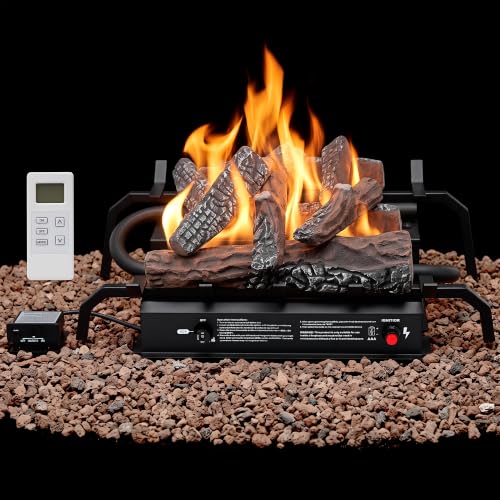
Venting Requirements for Gas Fireplace
Your complete guide to understanding gas fireplace venting systems, clearance rules, and installation options for a safe and efficient home heating solution.
Start LearningWhy Venting Matters: Proper venting is the single most critical safety and performance factor for any gas fireplace. It ensures harmful combustion byproducts like carbon monoxide are safely expelled from your home. Understanding the different venting requirements is essential before you buy or install a gas fireplace.
1. Types of Gas Fireplace Venting Systems
Not all gas fireplaces vent the same way. The three main categories are direct vent, natural vent (B-vent), and ventless (unvented). Each has distinct installation requirements and use cases.
Direct Vent (DV)
The most common and versatile system for modern homes. It uses a dual-pipe system: one for intake air and one for exhaust. It is sealed from the room air, making it highly efficient and safe. Ideal for direct vent gas fireplace inserts.
Natural Vent (B-Vent)
This system uses a single pipe to exhaust gases and relies on indoor air for combustion. It requires a vertical chimney and is common in older homes. It is less efficient than direct vent because heated room air is used for combustion and lost up the chimney.
Ventless (Unvented)
These units are designed to burn very cleanly and release minimal emissions into the room. They are 99.9% efficient but require strict adherence to ventless fireplace safety guidelines, including a carbon monoxide detector and proper room size. Learn more about venting vs ventless gas fireplaces.
2. Key Venting Requirements & Clearances
Every gas fireplace comes with a manufacturer's installation manual that specifies exact venting requirements. These are non-negotiable for safety and warranty. Here are the core elements you must understand:
Termination Clearances
The vent termination (the cap outside your home) must be at a specific distance from windows, doors, corners, and grade. Common requirements include:
- At least 12 inches from any window or door that opens.
- At least 12 inches above grade or any obstruction.
- At least 3 feet from a forced air inlet.
- Clearance from gas meters and electrical outlets.
Vent Pipe Slope & Runs
The vent pipe must maintain a specific slope (usually 1/4 inch per foot) to allow for proper exhaust flow and to prevent condensation from pooling. Maximum horizontal and vertical run lengths vary by model and must be strictly followed. Check the venting options for a gas fireplace for your specific unit.
Chimney & Liner Requirements
If you are converting a wood-burning fireplace, you will often need a new liner. A stainless steel chimney liner is commonly used for gas inserts to protect the chimney from corrosive byproducts. Always verify if your existing chimney is suitable for a gas fireplace insert.
3. Venting System Comparison
Use this table to quickly compare the fundamental differences between the major venting types.
| Feature | Direct Vent | Natural Vent (B-Vent) | Ventless |
|---|---|---|---|
| Air for Combustion | Pulled from outside | Pulled from room | Pulled from room |
| Efficiency | High (sealed system) | Low to Moderate | Very High (99.9%) |
| Installation Flexibility | High (can vent horizontally) | Requires vertical chimney | Very High (no venting) |
| Indoor Air Quality | Excellent | Good | Requires monitoring |
| Best For | Most modern homes & inserts | Older homes with existing chimney | Apartments, decorative use |
4. Special Venting Considerations
Propane vs. Natural Gas
The venting requirements for a propane fireplace are generally the same as for natural gas, but you must ensure the unit is equipped with the correct orifice. Learn about the nuances of venting requirements for propane fireplaces and the differences in natural gas vs propane fireplaces.
Venting for Gas Logs
Vented gas logs require a fully functional chimney to exhaust byproducts. They are different from ventless logs. Always follow the specific venting requirements for gas logs and use appropriate vented gas fireplace logs.
Insert vs. Built-in
A fireplace insert is installed into an existing fireplace, often requiring a liner. A built-in unit is framed into a wall and has its own venting kit. Understanding the difference between a wall-mounted vs insert vs freestanding fireplace is crucial for planning your installation.
5. Installation & Safety Checklist
Before you begin any installation, consult a professional. A certified technician will ensure all gas fireplace installation requirements are met. Here is a simplified checklist:
- Read the Manual: Every model has unique specifications. Never guess.
- Check Local Codes: Building codes vary by region. A permit may be required for your fireplace permit requirements.
- Use a Carbon Monoxide Detector: This is non-negotiable, especially for ventless units. Know the signs of carbon monoxide from a fireplace.
- Professional Installation: While some DIY gas fireplace projects exist, gas line connections and venting are best left to the professionals. Consider the pros and cons of DIY vs professional installation.
- Regular Maintenance: Schedule annual inspections. Learn about gas fireplace inspection and gas fireplace maintenance.
6. Frequently Asked Questions
Can I vent a gas fireplace horizontally?
Yes, direct vent fireplaces are specifically designed for horizontal venting. This is a major advantage, allowing for installation on interior walls without a traditional chimney. However, you must adhere to strict clearance requirements from windows and other openings.
Do all gas fireplaces need a chimney?
No. Only natural vent (B-vent) fireplaces require a traditional vertical chimney. Direct vent models can vent directly through an exterior wall, and ventless models require no venting at all. See do you need a chimney or vent for a fireplace.
What is the most efficient venting option?
Ventless gas fireplaces are the most efficient because they lose no heat up a chimney. However, direct vent models are also highly efficient and are a better choice for primary heating due to their superior indoor air quality. For more, read our guide on most energy-efficient fireplace types.
Can I convert my wood-burning fireplace to gas?
Yes, this is a very common project. You will typically need a gas fireplace insert for a wood-burning fireplace and a new stainless steel liner. It is a complex job best handled by a professional. Explore the cost of converting a wood-burning fireplace to gas.