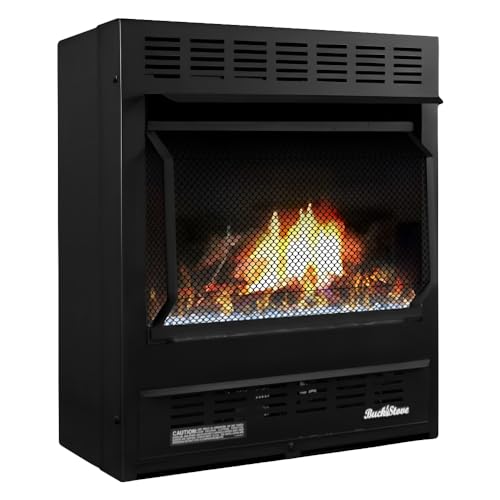
Gas Fireplace Insert with Blower: The Complete Guide
Transform your existing fireplace into an efficient heating powerhouse. Learn how a gas insert with a blower works, what to look for, and how to choose the right model for your home.
View Recommended ModelsWhat Is a Gas Fireplace Insert with Blower?
A gas fireplace insert is a self-contained unit designed to fit inside an existing masonry or prefabricated wood-burning fireplace. Unlike a simple gas log set, an insert is sealed and engineered for efficiency. When you add a blower, you're adding a fan that pushes heated air out into the room rather than letting it radiate passively.
The blower is typically a small electric fan installed at the bottom or side of the insert. It draws cool air from the room, passes it over the heated firebox, and then pushes warm air back into your living space. This active circulation can make a noticeable difference in how quickly and evenly your room heats up.
For homeowners who already have a fireplace but want better performance, this combination is often the most practical upgrade. It's also a popular choice for those who want the ambiance of a real fire without the mess and inefficiency of burning wood. If you're still deciding between fuel types, our gas vs electric running cost comparison can help clarify the long-term picture.
How a Gas Insert with Blower Works
Understanding the mechanics helps you appreciate why this setup is so effective. Here's the basic process:
- Gas combustion: Natural gas or propane is burned inside a sealed combustion chamber, producing a realistic flame.
- Heat exchange: The metal firebox absorbs heat from the flames. Many modern units use a heat exchanger to maximize surface area.
- Air circulation: The blower pulls cooler air from the room through intake vents, passes it over the hot firebox, and pushes it back out as warm air.
- Venting: Depending on the model, exhaust gases are either vented through a chimney liner or directed outdoors via a direct vent system.
The blower is usually controlled by a switch, remote, or thermostat. Some models offer variable speed settings, allowing you to adjust airflow based on your comfort needs. For a deeper dive into blower mechanics, see our gas fireplace blower fan guide.
Key Benefits of a Gas Insert with Blower
Efficient Heating
A blower can increase the effective heating capacity of your insert, allowing it to warm larger areas compared to a passive radiant unit.
Even Heat Distribution
Instead of heat concentrating near the fireplace, the blower spreads warmth throughout the room for more consistent comfort.
Reduced Energy Waste
Sealed combustion and active circulation mean less heat is lost up the chimney, making your fireplace a more responsible supplemental heat source.
Convenience
Gas inserts offer push-button or remote ignition, and many include thermostatic controls that maintain a steady temperature.
Cleaner Operation
No ash, no soot, no wood hauling. Gas inserts burn cleanly and require minimal maintenance compared to wood-burning alternatives.
Design Flexibility
Available in a range of styles, from traditional log sets to contemporary linear designs, so you can match your home's aesthetic.
Vented vs. Ventless Gas Inserts: Which Should You Choose?
One of the most important decisions is whether to go with a vented or ventless model. Both have distinct advantages and trade-offs.
| Feature | Vented Gas Insert | Ventless Gas Insert |
|---|---|---|
| Installation | Requires a chimney liner or direct vent; more complex. | No chimney or vent needed; simpler installation. |
| Efficiency | High efficiency; most heat stays indoors. | Very high efficiency; almost all heat is released into the room. |
| Air Quality | Exhaust gases are vented outdoors. | Releases trace combustion byproducts indoors; requires proper room size and ventilation. |
| Best For | Homes with existing chimneys; those who prefer outdoor venting. | Apartments, homes without chimneys, or where venting is impractical. |
If you're leaning toward ventless, be sure to review our ventless fireplace safety guidelines. For a broader comparison, see venting vs ventless gas fireplace.
For vented options, you may also want to explore direct vent gas fireplace insert with blower and vented gas fireplace insert with blower.
Sizing Your Gas Insert: BTU and Room Fit
Choosing the right size is critical. A unit that's too small won't heat effectively; one that's too large can be uncomfortable and wasteful. The key metric is BTU (British Thermal Units) per hour.
As a general guideline, you need roughly 20–30 BTUs per square foot of living space in a moderate climate. However, factors like insulation, ceiling height, and window area also matter. Our gas fireplace heating capacity BTU guide walks you through the calculation step by step.
You should also confirm that the insert will physically fit your existing fireplace opening. Measure the width, height, and depth of your firebox, and compare those to the insert's specifications. For more on sizing, see our fireplace sizing worksheet.
If you're considering a replacement for a wood-burning setup, our guide on replacing a wood-burning fireplace with a gas insert covers the transition in detail.
Installation Considerations
Installing a gas insert with blower is not a typical DIY project. It involves gas line connections, venting, and electrical work for the blower. Here's what to expect:
- Gas line: You'll need a gas supply line routed to the fireplace. If you don't have one, a professional will need to install it.
- Venting: Vented models require a chimney liner or direct vent kit. Ventless models don't need venting but have specific clearance and room-size requirements.
- Electrical: The blower needs a power source. Many units plug into a standard outlet, but some can be hardwired.
- Clearances: You must maintain safe distances from combustible materials. Check the manufacturer's instructions and local codes.
For a comprehensive overview, see our gas fireplace installation requirements. If you're comparing installation options, wall-mounted vs insert vs freestanding may help. Also, consider whether you need a fireplace permit.
Maintenance Tips for Long-Lasting Performance
A gas insert with blower is relatively low-maintenance, but a little care goes a long way:
- Clean the glass: Soot or film can dull the view. Use a non-abrasive cleaner recommended for fireplace glass. See how to clean fireplace glass.
- Inspect the blower: Dust and debris can accumulate on fan blades. Vacuum gently as needed. If you notice unusual noises, see fireplace blower fan not working.
- Check the burner: Keep the burner ports clean for an even flame. Our clean gas fireplace burner guide has step-by-step instructions.
- Annual inspection: Have a professional inspect the unit, venting, and gas connections yearly. See gas fireplace inspection.
- Replace logs if needed: Over time, ceramic logs can degrade. Learn about replacing fake logs in a gas fireplace.
For a seasonal checklist, see seasonal fireplace checklist and gas fireplace maintenance.
Common Troubleshooting Issues
Even reliable units can encounter occasional issues. Here are a few common problems and where to find solutions:
- Won't light: Could be a pilot issue or thermocouple. See gas fireplace won't light.
- Weak flame: May indicate a gas pressure or burner issue. See weak flame on gas fireplace.
- Blower not working: Check power and connections. See fireplace blower fan not working.
- Thermostat problems: If the unit isn't responding to temperature settings, see fireplace thermostat issue.
- Smells like gas: This is a safety concern. See fireplace smells like gas immediately.
For more, visit our fireplace troubleshooting hub.
Features to Look For in a Quality Unit
Not all gas inserts with blowers are created equal. Here's what separates a good unit from a great one:
- Variable-speed blower: Allows you to fine-tune airflow and noise level.
- Thermostatic remote: Lets you set a desired temperature and forget it. See gas fireplace insert with blower and thermostat.
- Realistic flame: Look for units with detailed logs and ember beds. Some even offer crackling sound for added ambiance.
- Efficiency rating: Higher efficiency means more heat and lower operating costs. See most energy-efficient fireplace types.
- Remote control: Convenience is key. See gas fireplace insert with blower and remote control.
- Safety features: Oxygen depletion sensors and automatic shut-off are important. See oxygen depletion sensor.
Frequently Asked Questions
Can I install a gas insert with blower myself?
While some homeowners may be tempted, gas and electrical work should be handled by licensed professionals. Improper installation can be dangerous. See DIY vs professional fireplace installation.
Does a blower make a big difference?
Yes. A blower can significantly improve heat distribution, making your fireplace more effective as a supplemental heat source. It's especially noticeable in larger rooms or open-concept spaces.
How noisy is a fireplace blower?
Most modern blowers are designed to be quiet, especially on lower settings. Higher speeds will produce more noise, but it's usually comparable to a ceiling fan.
Can a gas insert heat my whole house?
It can supplement your main heating system, but heating an entire house depends on the unit's BTU output, home layout, and insulation. See can a fireplace heat an entire house.
What maintenance does the blower need?
Keep it clean and free of dust. Periodically check for unusual noises or reduced airflow. Most blowers are durable and require minimal attention.
Is a ventless insert safe?
Ventless units are safe when installed and used according to the manufacturer's instructions, including proper room size and ventilation. See ventless fireplace safety.
Ready to Upgrade Your Fireplace?
Explore our recommended gas fireplace inserts with blowers below. These models are selected for performance, efficiency, and value.
See Top Picks