
Wood Burning Fireplace Insert with Blower: The Complete Guide
Turn your open, drafty fireplace into a high-efficiency heating machine. Learn how a blower-equipped wood insert works, what to look for, how to size it, and how to keep it running at peak performance.
Start the Buying GuideThe short version: A wood burning fireplace insert is a firebox that fits inside your existing masonry or prefab fireplace. Adding a blower fan turns it from a mostly radiant heater into a convection heater — pushing warm air into the room instead of losing most of it up the chimney. The result is more heat where you actually sit, less wood burned, and fewer drafts.
What Is a Wood Burning Fireplace Insert with Blower?
An insert is essentially a wood stove designed to slide into an existing fireplace opening. It seals the opening with a faceplate, connects to a stainless steel liner that runs up the chimney, and burns wood in a controlled, insulated firebox. When you add a blower, you add a small fan that draws cool room air in through vents, passes it over the hot firebox surfaces, and pushes warmed air back into the room.
Without a blower, most of the heat radiates directly forward and lingers near the insert. With a blower, heat circulates throughout the room and into connected spaces. That single accessory is often the difference between "the fireplace looks nice" and "the fireplace actually heats the house." For a broader look at how these units compare to other options, see our wood burning fireplace insert overview and the wood burning fireplace guide.
Why the Blower Matters More Than You Think
Open fireplaces are notoriously inefficient — most of the heat escapes up the chimney. An insert alone dramatically improves this, but heat still tends to pool in one area. A blower changes the physics of the room:
- Faster warm-up: Heated air reaches you in minutes instead of hours.
- Even distribution: Warm air spreads across the room rather than baking one spot.
- Better zone heating: A blower-equipped insert can meaningfully offset a furnace in the room it serves. See zone heating with fireplace for how this fits into a whole-home strategy.
- Less wood: When heat actually reaches the living space, you burn less fuel for the same comfort.
- Fewer drafts: A sealed insert with a liner reduces the chimney's appetite for pulling warm room air out of the house.
If you are still weighing insert types, our comparison of built-in vs freestanding fireplace and the fireplace heating capacity BTU guide will help you frame the decision.
How a Blower-Equipped Insert Works
The system has four main parts working together:
- The firebox: Insulated steel or cast iron where wood burns. Secondary burn tubes or a catalytic combustor re-ignite smoke for higher efficiency and less creosote.
- The liner: A stainless steel flue that connects the insert to the top of the chimney, maintaining proper draft and keeping exhaust sealed. See do you need a chimney or vent if you are unsure about your setup.
- The faceplate and convection jacket: The decorative front seals the old fireplace opening. The jacket is the space between the firebox and the outer shell where air gets heated.
- The blower: A fan (often with a rheostat or thermostat) that pulls cool air in at the bottom, pushes it through the jacket, and releases warm air at the top. Some units offer a blower vs fan distinction worth understanding before you buy.
Key Benefits of Adding a Blower
Higher usable heat output
EPA-certified inserts already burn cleaner than open fireplaces. A blower converts more of that generated heat into room heat instead of letting it radiate slowly or escape. This is one of the most cost-effective upgrades you can make to an existing fireplace.
More even room temperature
Instead of a hot spot in front of the hearth and cold corners, the blower circulates warmth. Rooms with high ceilings, open floor plans, or adjacent hallways benefit the most. Pair this with open concept fireplace ideas for layout inspiration.
Less wood for the same warmth
Because more heat stays in the room, you reload less often. Over a heating season, that adds up in both labor and fuel. Proper wood burning fireplace maintenance keeps that efficiency from drifting.
Cleaner burn
Modern inserts with secondary combustion or catalytic technology burn smoke that older fireplaces send up the chimney. That means less creosote and fewer particulate emissions. See creosote buildup prevention for the maintenance side of this.
Sizing Your Insert and Blower Correctly
The most common mistake is buying an insert that is too large for the space. An oversized insert runs cool, creates creosote, and wastes wood. Undersized, it never keeps up. Use these guidelines:
| Room Size (sq ft) | Typical Insert Output | Blower Consideration |
|---|---|---|
| Up to 1,000 | Small insert, entry-level output | A single-speed or basic variable blower is usually enough |
| 1,000 – 1,800 | Mid-range insert | Variable-speed blower with a thermostat gives the best control |
| 1,800 – 2,500 | Large insert, premium output | High-CFM blower with automatic on/off is strongly recommended |
| Over 2,500 | Extra-large or multiple units | Consider a high-output blower plus zone heating strategy |
For a deeper walkthrough, see how to size a fireplace and the fireplace sizing worksheet. Also confirm your fireplace ventilation requirements before committing to a model.
Features to Look For in a Blower-Equipped Insert
Blower-Specific Features
- Variable speed control: Lets you dial the fan down for quiet evenings and up for fast warm-up.
- Thermostatic operation: The blower turns on when the insert is hot and off when it cools, saving electricity and avoiding cold-air blow.
- CFM rating: Higher CFM moves more air, but a well-designed jacket matters more than raw numbers.
- Noise level: Premium blowers are noticeably quieter than entry-level models at the same airflow.
- Replaceable components: Fans, thermodiscs, and rheostats should be serviceable. See fireplace blower fan not working if you already own one.
Insert Features That Pair Well With a Blower
- EPA certification: Non-negotiable for clean, legal operation in most areas.
- Secondary burn or catalytic combustor: Higher efficiency and longer burn times.
- Glass door with air wash: Keeps the fire view clear without constant cleaning. See how to clean fireplace glass.
- Insulated firebox: Holds heat longer and protects the blower from cycling too often.
- Ash pan: Makes ash removal and disposal far less messy.
Quality Tiers Without the Price Tag
Because prices shift over time, the most durable way to compare inserts is by tier. Here is how the market generally breaks down:
Affordable, functional, basic blower
These units cover the essentials: a sealed firebox, EPA compliance, and a simple single or two-speed blower. They are a good fit for smaller rooms, occasional use, or a first insert. Expect a louder fan and fewer refinements.
The sweet spot for most homes
Mid-tier inserts typically add variable-speed blowers, better insulation, improved secondary combustion, and cleaner glass. Compared to entry-level models, they usually offer smoother air control and more consistent heat. This is where most buyers land.
Longer burn times, quieter blowers
Premium inserts often feature catalytic or hybrid combustion, cast-iron or soapstone surfaces, thermostatic blowers, and tighter tolerances. They reward users who heat with wood daily and want maximum efficiency with minimum reloading.
Design-forward, high-performance
Luxury-tier inserts combine top efficiency with premium finishes, custom faceplates, and refined controls. They are chosen for both performance and aesthetics in high-end living spaces. See white fireplace ideas and stone fireplace ideas for surrounding design direction.
Installation: What to Expect
Installing a wood insert is not a plug-and-play job. It involves:
- Measuring the existing fireplace opening and confirming the insert will fit with the faceplate.
- Running a stainless steel liner from the insert collar to the top of the chimney. See stainless steel chimney liner for wood burning fireplace.
- Connecting the blower wiring to a nearby outlet or a dedicated circuit, depending on the model.
- Sealing the faceplate to prevent room air from escaping up the chimney.
- Testing draft, burn, and blower operation.
This is generally a professional job. For context on what is DIY-friendly, read DIY vs professional fireplace installation and the fireplace installation guide overview. Budget expectations vary by region, so treat any quoted figure as a starting point, not a fixed number. For related cost context, see fireplace cost breakdown and wood burning fireplace insert installation cost.
Maintenance for Long-Term Performance
A blower insert is low-maintenance but not maintenance-free. Keep these on your schedule:
- Clean the blower every few weeks during heavy use. Dust on fan blades reduces airflow and increases noise.
- Inspect the gasket around the glass door and replace it when it hardens.
- Schedule an annual chimney inspection. See annual fireplace inspection and when to call a chimney sweep.
- Follow a seasonal checklist. The seasonal fireplace checklist and winter fireplace preparation guides cover this well.
- Watch for creosote. Even efficient inserts produce some. See creosote buildup prevention.
If something feels off — smoke spilling into the room, a blower that won't spin, or weak heat — start with fireplace troubleshooting and wood fireplace draft problem.
Common Mistakes to Avoid
- Buying too big. A large insert in a small room will smolder and create creosote.
- Skipping the liner. Without a properly sized liner, the insert cannot draft correctly.
- Ignoring the blower's power source. Plan the outlet or hardwiring before installation day.
- Burning unseasoned wood. Wet wood wastes energy and dirties the glass.
- Neglecting the blower. A dusty fan is a loud, weak fan.
Ready to Choose Your Insert?
Compare top-rated wood burning fireplace inserts with blowers and find the right fit for your home.
See Recommended ModelsFrequently Asked Questions
Does a wood burning fireplace insert with blower really heat a whole house?
It can serve as a powerful zone heater for the room it sits in and adjacent spaces. Whole-house heating depends on layout, insulation, and insert size. See can a fireplace heat an entire house.
How much does a blower improve heat output?
It moves heated air from the insert's jacket into the room instead of letting it radiate slowly. The room feels warmer faster, and heat distributes more evenly. For a related comparison, see blower vs fan.
Can I add a blower to an existing insert?
Many models accept an optional blower kit. Check your insert's manual or model number to confirm compatibility, since mounting points and wiring vary. The install fireplace blower guide walks through the basics.
Is a blower noisy?
Entry-level blowers can be audible at high speed. Mid-range and premium units are typically quieter at the same airflow, and variable-speed control lets you reduce noise when you don't need maximum heat.
How often should I clean the blower?
Every few weeks during the heating season, and more often if you notice reduced airflow or increased noise. A soft brush and vacuum are usually enough.
Will an insert work with my existing chimney?
Most masonry and prefab fireplaces can accept an insert with the right liner. See do you need a chimney or vent and fireplace ventilation requirements for details.
Recommended Wood Burning Fireplace Inserts with Blower
⚠️ AFFILIATE DISCLOSURE: This website contains affiliate links. As an Amazon Associate, we earn from qualifying purchases. If you make a purchase through these links, we may receive a small commission at no additional cost to you. Read our full affiliate policy.

Comfort Glow Wood Fireplace Insert, Indoor Wood Stove - CGWI1800 | Indoor Wood Stove Insert, Fits 18" Logs, Heats Up To 1,200 Sq Ft, Blower & Face Plate, Heavy-Duty Steel, 100 CFM Blower
Check price on Amazon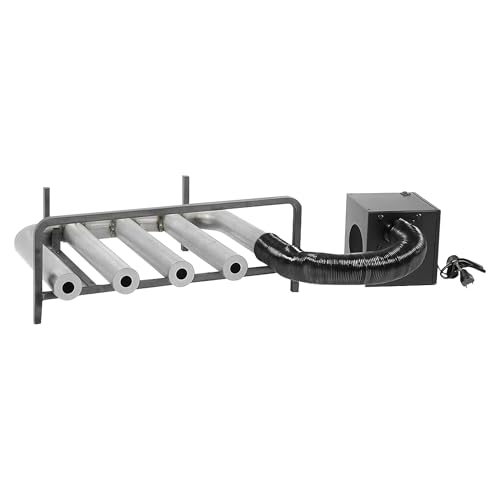
Woodeze Spitfire 4-Tube Fireplace Hearth Heater with 2-Speed Blower | Heavy-gauge Aluminized Steel Construction for Small Wood Fireplaces, 35,000 BTU Output.
Check price on Amazon
ComfortBilt HP22i Pellet Stove Fireplace Insert, 2,800 sq. ft., 47 lb. Hopper, Black
Check price on Amazon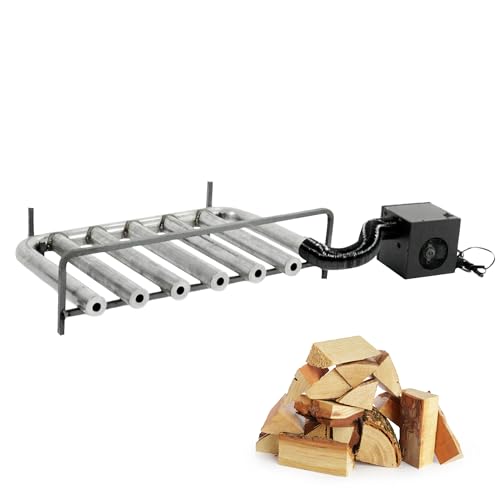
Woodeze Spitfire Fireplace Heater, 6-Tube Hearth Heater, 2-Speed Blower | Heavy-gauge Aluminized Steel Tubes Fit Small Wood Fireplaces, Delivers Up to 45,000 BTUs for Efficient Heat Circulation.
Check price on Amazon
JossaColar Wood Stove Fan Heat Powered Fireplace Fan Non Electric, Thermal Fan for Wood Burning Stove/Log Burner, w/Stove Accessories Thermometer
Check price on Amazon
ProCom 32in. Universal Ventless Firebox Insert - Zero Clearance Design - Model# PC32VFC
Check price on Amazon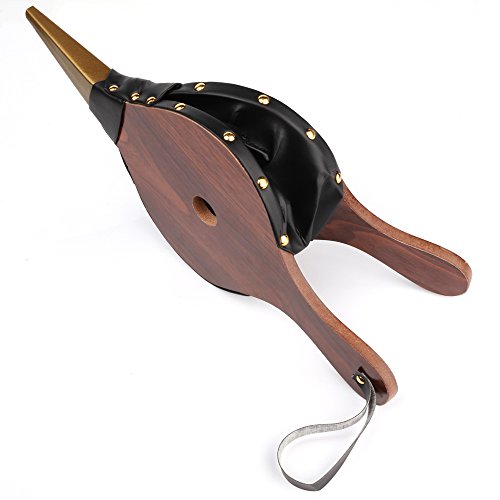
Fubeasi 1PCS Brown Wood Fireplace Bellows 15" x 6.5" | Outdoor Cooking Fan Air Blower,Metal Nozzle and Hanging Strap for Hearth, Wood Stove, Fire Pit, BBQ, Grill and Camping Use
Check price on Amazon
Adviace Replacement Wood Stove Blower, S31105 Blower Fan for GHP Group, Monessen/Majestic (MHSC Brands), Majestic Dutchwest Windsor, CFM US Century Plate Steel Freestanding Wood Stove Fireplace
Check price on AmazonDisclaimer
Some content on this site is created with the help of AI. All information is provided for educational purposes only, not as professional advice. We are not responsible for any losses that may arise from the use of this information. By accessing this site, you agree to waive your right to bring legal claims against us related to the use of the information provided. If you do not agree, please leave this site. Read more.