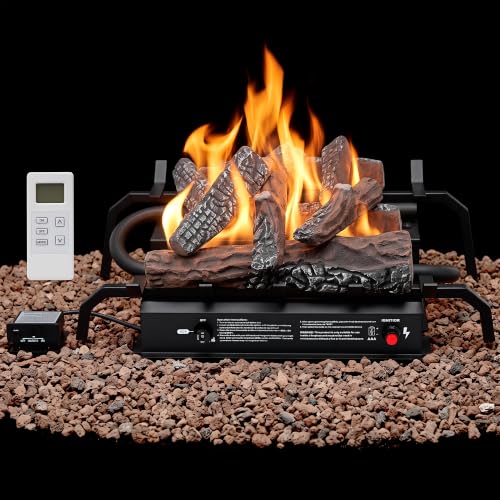
Gas Fireplace Venting Requirements: The Complete Guide
Understand the critical venting rules for gas fireplaces. From direct vent to B-vent and ventless models, learn how to plan a safe, efficient, and code-compliant installation for your home.
Installing a gas fireplace is a significant home improvement project that adds warmth, ambiance, and value. However, the single most important factor for safety and performance is venting. Unlike electric models, gas fireplaces produce combustion byproducts—including carbon monoxide and water vapor—that must be managed correctly. The venting requirements for a gas fireplace depend entirely on its type: direct vent, natural vent (B-vent), or ventless. This guide will walk you through every critical requirement, from clearances and termination points to the specific needs of different models, ensuring you can make an informed decision and a safe installation.
Why Gas Fireplace Venting Is Critical
Proper venting is not just a recommendation; it's a safety and building code requirement. A gas fireplace that is incorrectly vented can lead to serious health risks, including carbon monoxide poisoning, and can cause structural damage from moisture. The venting system performs two vital functions: it safely expels combustion byproducts outdoors and draws in fresh air for the fire to burn cleanly. The specific requirements vary significantly between a vented gas fireplace and a ventless gas fireplace, so understanding the differences is your first step.
Main Types of Gas Fireplace Venting Systems
There are three primary venting categories for gas fireplaces. Each has distinct requirements, benefits, and limitations. Choosing the right one for your home depends on your home's architecture, your budget, and your heating goals.
1. Direct Vent Gas Fireplaces
Direct vent systems are the most popular choice for modern homes because they are highly efficient and flexible. They use a coaxial pipe (a pipe within a pipe) to pull in outside air for combustion and exhaust flue gases simultaneously. This "sealed combustion" system means the fireplace does not use indoor air, making it safe for tightly built homes. The venting requirements for a gas fireplace of this type are specific but allow for versatile installation, including through a wall or roof. You can explore various venting gas fireplace options to see what fits your layout.
- Key Requirement: Must terminate outdoors, either horizontally through an exterior wall or vertically through the roof.
- Clearances: Strict clearances from windows, doors, and other openings are mandatory to prevent flue gas re-entry.
- Best For: Most residential applications, especially in energy-efficient homes.
2. Natural Vent (B-Vent) Gas Fireplaces
B-vent fireplaces rely on the natural buoyancy of hot gases to rise up a vertical chimney. They draw combustion air from inside the room, which means they are less efficient and can create negative pressure issues in modern, airtight homes. The venting requirements for a gas fireplace of the B-vent type are less flexible; they typically require a dedicated chimney that goes straight up through the roof.
- Key Requirement: A continuous vertical vent that terminates above the roofline.
- Clearances: Must maintain proper clearance from combustible materials, usually 1-2 inches.
- Best For: Older homes with an existing chimney or where a vertical run is possible.
3. Ventless (Vent-Free) Gas Fireplaces
Ventless fireplaces are designed to burn gas so cleanly that they produce minimal emissions, allowing them to be installed without any exterior venting. While convenient, they have their own strict set of rules. They are not legal in all states or municipalities, and they require specific room volume and fresh air intake to be safe. You should always check local codes and consider ventless fireplace safety before installation. For a detailed comparison, see our guide on venting vs ventless gas fireplace.
- Key Requirement: Must be installed in a room with adequate volume and often require an oxygen depletion sensor (ODS).
- Clearances: Strict clearances from furniture, drapes, and other combustibles.
- Best For: Remodels or homes where running a vent is impossible or prohibitively expensive.
Key Venting Requirements to Know
Regardless of the type, several universal rules apply. Always consult the manufacturer's installation manual and local building codes, as these are the ultimate authority.
Termination Clearances
The termination point (where the vent exits the home) is subject to strict rules to prevent hazards. Common requirements include:
- A minimum distance from operable windows, doors, and air intakes (often 12-24 inches).
- A minimum distance from the corner of a building (often 12 inches).
- A minimum height above grade or any obstruction like a deck or patio.
- For direct vent horizontal terminations, a specific clearance from the ground and from any adjacent building.
Vent Pipe Material and Sizing
The vent pipe must be approved for the specific appliance. Direct vent fireplaces require a specific coaxial pipe, while B-vent fireplaces require a listed B-vent pipe. Using the wrong material or an incorrectly sized pipe is a serious safety hazard. For a deeper dive into specific models, see the venting requirements for gas fireplace insert.
Chimney and Chase Requirements
If you are installing a B-vent or direct vent fireplace that goes through a chimney or chase, that structure must be built to code. It needs proper framing, insulation, and clearances from combustibles. A common mistake is failing to maintain the required air space around the vent pipe. This is a critical part of the gas fireplace installation requirements.
Special Venting Scenarios
Not all installations are straightforward. Here are a few scenarios that require extra attention.
Venting for Gas Logs
If you are installing gas logs in an existing wood-burning fireplace, the venting requirements are different. You must ensure the chimney is clean and functional and that the damper is either removed or permanently fixed open. The venting requirements for gas logs are often less strict than for a dedicated gas fireplace, but they still must be followed precisely to avoid carbon monoxide buildup.
Venting for Propane Fireplaces
Propane fireplaces have similar venting needs to natural gas models, but the installation must account for propane's heavier-than-air properties. The venting requirements for propane fireplace may include additional safety measures. You can learn more about the fuel differences in our guide on natural gas vs propane fireplace.
Venting for Small Spaces
For smaller rooms, a venting options for small fireplaces guide is essential. A direct vent model is often the best choice, as it doesn't use indoor air and can be installed on an exterior wall with minimal clearance issues.
Planning Your Installation: A Step-by-Step Approach
Before you buy, follow these steps to ensure a smooth project.
- Check Local Codes: This is non-negotiable. Your local building department will have the final say on what is allowed.
- Choose Your Fireplace Type: Direct vent, B-vent, or ventless? This decision dictates the rest of your plan.
- Select a Location: Based on the venting type, choose a location that allows for the required termination clearances.
- Hire a Professional: Gas fireplace installation is not a DIY project for most homeowners. A certified technician ensures the work is done safely and to code. For a general overview, see our fireplace installation guide overview.
- Get a Permit: Most municipalities require a permit for a gas fireplace installation. Don't skip this step.
Understanding the do you need chimney or vent fireplace question is central to this planning. If you are still deciding on the type of fireplace, our article on which fireplace is right for your home can help.
Common Venting Mistakes to Avoid
Even with careful planning, errors can happen. Here are the most common pitfalls:
- Incorrect Termination Clearances: This is the most frequent and dangerous mistake. Always double-check the manual for the exact distances.
- Using the Wrong Vent Pipe: Never substitute a different type of pipe. It can melt, corrode, or leak.
- Improper Slope: Horizontal vent runs must have a slight upward slope back toward the fireplace to allow condensate to drain properly.
- Ignoring Condensation: High-efficiency direct vent fireplaces produce condensate. The venting system must be designed to manage it. A common symptom of issues is condensation inside fireplace glass.
If you encounter problems after installation, such as the pilot light keeps going out or a fireplace smells like gas, it could be related to venting or draft issues. Always call a professional if you suspect a problem.
Maintaining Your Venting System
Your venting system requires regular maintenance to remain safe and efficient. An annual inspection by a qualified technician is recommended. This should include checking for blockages (like bird nests), corrosion, and proper clearances. Regular gas fireplace maintenance will also include checking the venting. You can refer to our annual fireplace inspection guide for a checklist. Keeping your venting system in top shape also helps with fireplace energy saving tips.
Final Thoughts on Gas Fireplace Venting
Gas fireplace venting requirements are a complex but essential part of any installation. Whether you choose a direct vent, B-vent, or ventless model, the key is to follow the manufacturer's instructions and local building codes to the letter. By understanding the different systems and their specific rules, you can ensure your new fireplace is a safe, efficient, and beautiful addition to your home. For more guidance, explore our fireplace buying guide and fireplace FAQ.