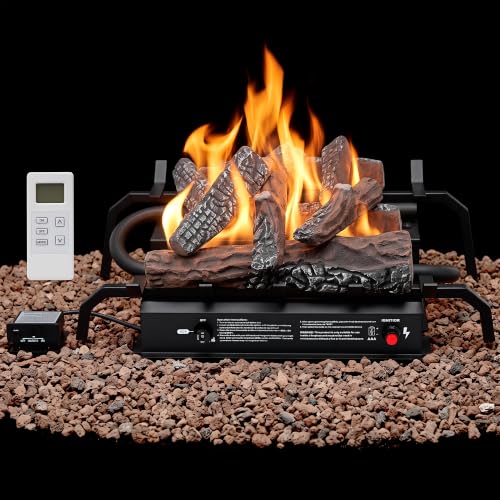
Venting Requirements for Propane Fireplace
Everything you need to know about safely and efficiently venting a propane fireplace. Understand your options, from direct vent to ventless, and make an informed decision for your home.
Why Venting Matters for Propane Fireplaces
Propane fireplaces are a popular choice for homeowners seeking efficient, clean-burning heat. However, unlike electric models, propane fireplaces produce combustion byproducts that must be managed properly. Understanding the venting requirements for propane fireplaces is not just a matter of performance—it's a critical safety consideration. Proper venting ensures that carbon monoxide, nitrogen dioxide, and water vapor are safely expelled from your living space.
The specific venting requirements depend on the type of propane fireplace you choose. Whether you are considering a vented gas fireplace or a ventless gas fireplace, each has distinct installation and operational needs. This guide will walk you through every option, helping you choose the right system for your home's layout and your heating goals.
Key Takeaway: All propane fireplaces require some form of venting unless they are specifically rated as "ventless" or "vent-free." Even then, strict safety guidelines apply.
Types of Venting Systems for Propane Fireplaces
There are three primary venting categories for propane fireplaces: direct vent, B-vent (natural vent), and ventless (unvented). Each system has unique requirements and is suited to different installation scenarios.
1. Direct Vent Propane Fireplaces
Direct vent systems are the most common and versatile option for modern propane fireplaces. They use a sealed combustion chamber and a coaxial vent pipe that draws outside air for combustion and exhausts byproducts directly outdoors. This design eliminates the need for a traditional chimney and minimizes heat loss.
Because they are sealed, direct vent fireplaces are highly efficient and safe for most homes. They can be installed on an exterior wall or through the roof. If you are exploring different venting options for gas fireplace models, direct vent is often the top recommendation for its balance of safety, efficiency, and installation flexibility.
For a deeper dive into specific venting configurations, see our guide on venting requirements for gas fireplace installations.
2. B-Vent (Natural Vent) Propane Fireplaces
B-vent systems rely on the natural buoyancy of hot exhaust gases to draw them up and out through a vertical chimney or flue. Unlike direct vent models, B-vent fireplaces use indoor air for combustion. This means they require a dedicated chimney that meets specific height and clearance requirements.
B-vent fireplaces are less efficient than direct vent models because heated indoor air is lost up the chimney. However, they can be a good choice if you already have an existing chimney or flue that can be retrofitted. Always consult a professional to ensure your chimney meets the venting requirements for gas fireplace insert or freestanding unit.
3. Ventless (Vent-Free) Propane Fireplaces
Ventless propane fireplaces are designed to burn fuel so cleanly that the byproducts are considered safe to release into the room. They do not require any external venting, making them extremely flexible for apartments, basements, and homes without chimneys.
However, ventless models are not legal in all states or municipalities, and they require strict adherence to clearance and oxygen depletion sensor (ODS) regulations. If you are considering a ventless option, our article on ventless fireplace safety is essential reading. You should also review the specific venting requirements for propane fireplace models you are interested in, as some manufacturers have additional guidelines.
Comparing Venting Options: Direct Vent vs. B-Vent vs. Ventless
To help you visualize the differences, here is a comparison of the key characteristics of each venting system.
| Feature | Direct Vent | B-Vent (Natural Vent) | Ventless (Vent-Free) |
|---|---|---|---|
| Combustion Air Source | Outside (sealed) | Indoor room air | Indoor room air |
| Venting Requirement | Horizontal or vertical vent kit | Vertical chimney or flue | None (zero clearance) |
| Efficiency | High (sealed combustion) | Moderate (heat loss up flue) | Very High (100% heat to room) |
| Installation Flexibility | High (exterior wall or roof) | Low (requires existing chimney) | Very High (any room) |
| Air Quality Impact | None (sealed system) | Some indoor air used | Releases moisture and CO2 |
| Best For | Most homes, new construction | Homes with existing chimney | Apartments, basements, retrofits |
For a more detailed comparison, including running costs and efficiency ratings, see our article on venting vs ventless gas fireplace.
Specific Venting Requirements for Propane Fireplaces
Regardless of the system you choose, there are specific requirements you must meet to ensure safe and code-compliant installation.
Clearances and Distances
Propane fireplaces require specific clearances from combustible materials, including walls, floors, and ceilings. These clearances are typically outlined in the manufacturer's installation manual and vary by model. Common requirements include:
- Minimum distance from the vent termination to windows, doors, and air intakes (often 12 inches or more).
- Minimum clearance from the fireplace body to adjacent walls and trim.
- Minimum ceiling height for vertical vent runs.
Failure to adhere to these clearances can create a fire hazard and void your warranty. Always consult a licensed professional to verify your installation meets local building codes.
Vent Pipe Materials and Sizing
The vent pipe for a propane fireplace must be rated for the specific appliance and fuel type. Direct vent systems typically use a coaxial pipe (a pipe within a pipe), while B-vent systems use a single-wall or double-wall metal pipe. The diameter and length of the vent run are critical—too long or too short a run can affect draft and performance.
For vented gas logs, the requirements are similar but often less stringent. However, you should still refer to the venting requirements for gas logs to ensure proper installation.
Termination Locations
The termination point of your vent is just as important as the vent itself. For direct vent models, the termination must be located away from windows, doors, and fresh air intakes to prevent exhaust from re-entering the home. For B-vent models, the chimney must extend above the roofline to ensure proper draft.
If you are installing a propane fireplace insert into an existing fireplace, the venting requirements for fireplace insert will guide you on how to properly connect the insert to the existing flue.
Safety and Maintenance Considerations
Proper venting is not a one-time task; it requires ongoing maintenance to ensure continued safety and performance. Here are some key considerations:
- Annual Inspections: Have your propane fireplace and venting system inspected annually by a qualified technician. This includes checking for blockages, corrosion, and proper draft.
- Carbon Monoxide Detectors: Install CO detectors on every level of your home, especially near sleeping areas. Even vented systems can malfunction, and CO is odorless and deadly.
- Clearance Maintenance: Keep the area around the vent termination clear of snow, debris, and vegetation. Blocked vents can cause exhaust to back up into the home.
- Professional Installation: Always hire a licensed professional for installation. Improper venting is a leading cause of fireplace-related accidents.
For a comprehensive maintenance schedule, see our guide on gas fireplace maintenance. If you ever smell gas or suspect a leak, follow the steps in our article on fireplace smells like gas and contact a professional immediately.
Safety First: Never operate a propane fireplace if you suspect a venting issue. Turn off the gas supply and call a professional.
How to Choose the Right Venting System for Your Home
Selecting the right venting system depends on several factors, including your home's layout, existing infrastructure, and local building codes. Here are some questions to ask yourself:
- Do you have an existing chimney? If yes, a B-vent or insert may be the most cost-effective option.
- Is your home tightly sealed? Direct vent is ideal for energy-efficient homes because it doesn't use indoor air for combustion.
- Are you installing in an apartment or basement? Ventless models offer the most flexibility, but check local codes first.
- What are your heating goals? If you want zone heating, a high-efficiency direct vent or ventless model is best. For ambiance, any type works.
If you are still unsure, our guide on which fireplace is right for your home can help you narrow down your options. You can also explore venting options for gas fireplace to see real-world installation examples.
For those considering a propane fireplace insert, be sure to review the specific venting requirements for gas fireplace insert to ensure compatibility with your existing fireplace.
Final Thoughts
Understanding the venting requirements for propane fireplaces is essential for a safe, efficient, and enjoyable installation. Whether you choose a direct vent, B-vent, or ventless system, always prioritize safety and compliance with local codes. By following the guidelines in this article and consulting with a licensed professional, you can enjoy the warmth and beauty of a propane fireplace for years to come.
For more information on related topics, explore our guides on venting requirements for gas fireplace, propane fireplace maintenance, and natural gas vs propane fireplace.