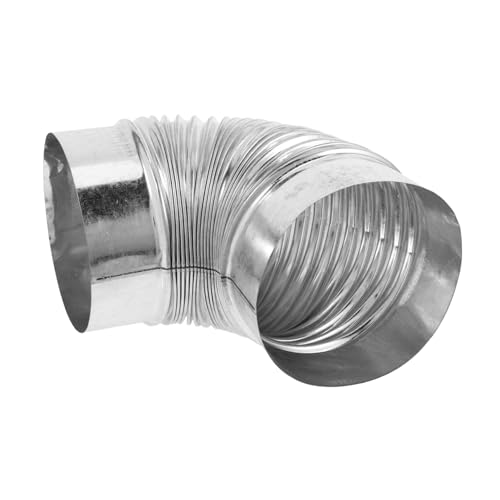
Venting Options for Small Fireplaces
Discover the best venting solutions for compact fireplaces. Learn how to safely and efficiently install a fireplace in small spaces without compromising on design or performance.
Start ExploringWhy Venting Matters for Small Fireplaces: In compact spaces, proper ventilation is critical for safety, air quality, and heating efficiency. The right venting option can make the difference between a cozy addition and a health hazard.
Understanding Venting for Small Fireplaces
Small fireplaces are an excellent choice for apartments, condos, tiny homes, and cozy living rooms. However, their compact size often limits the venting options available. Unlike large traditional fireplaces that rely on massive chimneys, small fireplaces require venting systems that are efficient, space-saving, and compliant with local building codes. Whether you are considering a gas fireplace, an electric fireplace, or a wood-burning unit, understanding venting is the first step toward a safe and enjoyable installation.
In this guide, we will explore the various venting options for small fireplaces, including vented, ventless, and direct vent systems. We will also discuss the pros and cons of each option, installation considerations, and how to choose the best solution for your home. By the end, you will have the knowledge needed to make an informed decision and confidently purchase the right fireplace for your space.
Types of Venting Options for Small Fireplaces
There are several venting options available for small fireplaces, each with its own advantages and limitations. The most common types include direct vent, natural vent, ventless (unvented), and power vent systems. Let's examine each one in detail.
1. Direct Vent Fireplaces
Direct vent fireplaces are a popular choice for small spaces because they do not require a traditional chimney. Instead, they use a coaxial pipe that draws outside air for combustion and exhausts gases directly outside through a wall or roof. This sealed system eliminates drafts and improves indoor air quality. Direct vent fireplaces are highly efficient and can be installed in almost any room, making them ideal for small homes. For those considering a gas unit, direct vent gas fireplace inserts with blower offer excellent heating performance. If you are exploring broader options, our guide on venting options for gas fireplaces provides additional insights.
2. Natural Vent Fireplaces
Natural vent fireplaces rely on a vertical chimney or flue to expel exhaust gases. They use the principle of buoyancy, where hot gases rise and exit through the chimney. While natural vent systems are common in traditional homes, they may not be suitable for small fireplaces in apartments or condos due to the need for a vertical chimney. However, if your small fireplace is located near an existing chimney, a natural vent system can be a cost-effective option. For wood-burning units, a wood-burning fireplace insert can improve efficiency and reduce emissions. Proper maintenance, such as chimney cleaning, is essential to prevent creosote buildup and ensure safety.
3. Ventless (Unvented) Fireplaces
Ventless fireplaces, also known as unvented or duct-free fireplaces, do not require any external venting. They burn fuel—typically natural gas, propane, or ethanol—and release combustion byproducts directly into the room. While ventless fireplaces are convenient and easy to install, they are not suitable for all small spaces. They require adequate ventilation to prevent the buildup of carbon monoxide and moisture. Many ventless models are equipped with an oxygen depletion sensor for safety. If you are considering a ventless option, it is crucial to review ventless fireplace safety guidelines. For propane users, a ventless propane heater with thermostat can be a practical choice.
4. Power Vent Fireplaces
Power vent fireplaces use a mechanical fan to force exhaust gases out of the home. This allows for greater flexibility in installation, as the vent can be routed horizontally or vertically over longer distances. Power vent systems are ideal for small fireplaces in basements or interior rooms where a traditional chimney is not feasible. However, they require electricity to operate and may be noisier than other venting options. For those with a gas fireplace, a gas fireplace insert with blower can enhance heat distribution while using a power vent system.
Comparison of Venting Options
| Venting Type | Best For | Pros | Cons |
|---|---|---|---|
| Direct Vent | Small rooms, apartments, condos | High efficiency, no drafts, flexible installation | Higher upfront cost, requires wall/roof penetration |
| Natural Vent | Homes with existing chimney | Low operating cost, traditional look | Requires vertical chimney, less efficient |
| Ventless | Spaces with adequate ventilation | Easy installation, no external venting | Indoor air quality concerns, moisture buildup |
| Power Vent | Basements, interior rooms | Flexible routing, works without chimney | Requires electricity, noisier operation |
Factors to Consider When Choosing a Venting Option
Selecting the right venting option for your small fireplace involves several factors. First, consider the size and layout of your space. Direct vent and ventless fireplaces are often the best choices for small rooms because they do not require a large chimney. Second, evaluate your fuel type. Gas and propane fireplaces typically use direct vent or ventless systems, while wood-burning fireplaces require natural vent or power vent systems. Third, check local building codes and regulations. Some areas restrict the use of ventless fireplaces due to indoor air quality concerns. Finally, think about your budget and long-term maintenance. While direct vent systems may have a higher upfront cost, they are more energy-efficient and can save money over time. For a deeper dive into efficiency, see our guide on most energy-efficient fireplace types.
Additionally, consider the installation requirements. Direct vent fireplaces need a wall or roof penetration, which may not be possible in some apartments. Ventless fireplaces are the easiest to install but require proper ventilation. Power vent systems offer flexibility but need access to electricity. If you are handy, you might explore DIY gas fireplace installations, but always consult a professional for safety. For those in apartments, apartment fireplace installation guidelines are essential.
Installation Tips for Small Fireplaces
Installing a small fireplace with the right venting system can be straightforward if you follow these tips. First, always consult a licensed professional to ensure compliance with local codes and safety standards. Second, measure your space carefully to determine the best location for the fireplace and vent. Third, choose a venting kit that is compatible with your fireplace model. For gas fireplaces, a gas fireplace installation requirements guide can be helpful. Fourth, ensure proper clearance from combustible materials. Fifth, consider adding a fireplace blower fan to improve heat distribution. Finally, regular maintenance is key to keeping your fireplace safe and efficient. Check our fireplace maintenance resources for more details.
For those with an existing fireplace, you might consider installing a fireplace insert into an existing fireplace to upgrade efficiency. If you are converting from wood to gas, our article on converting wood fireplace to gas provides valuable insights. Always prioritize safety and quality to enjoy your small fireplace for years to come.
Frequently Asked Questions
Can I install a small fireplace without any venting?
Yes, ventless fireplaces do not require external venting. However, they release combustion byproducts into the room, so proper ventilation and adherence to safety guidelines are essential. Always check local codes before installing a ventless fireplace.
What is the best venting option for an apartment?
Direct vent and ventless fireplaces are typically the best options for apartments. Direct vent systems require a wall penetration, while ventless models need no external venting but require adequate indoor air circulation.
How do I know if my small fireplace is vented properly?
Signs of proper venting include a steady flame, no smoke or odors indoors, and no excessive moisture. If you notice any issues, consult a professional to inspect your venting system.
Can I use a wood-burning fireplace in a small space?
Yes, but wood-burning fireplaces require a natural vent or power vent system. They also need regular maintenance, such as chimney cleaning, to prevent creosote buildup. Consider a wood-burning fireplace insert for better efficiency.
Conclusion
Choosing the right venting option for your small fireplace is a critical decision that impacts safety, efficiency, and comfort. Direct vent, natural vent, ventless, and power vent systems each have unique benefits and considerations. By understanding your space, fuel type, and local regulations, you can select the best solution for your home. Remember to consult professionals, follow safety guidelines, and maintain your fireplace regularly. With the right venting system, your small fireplace can become a cozy and efficient focal point in your home.
Ready to explore fireplace options? Check out our fireplace buying guide for more information, or browse our recommended products below.