Heat Resistant Paint for Metal Fireplace Surround
Everything you need to know about selecting, preparing, and applying high-temperature paint to transform and protect your metal fireplace surround.
A metal fireplace surround adds a sleek, modern touch to any home, but it faces intense heat cycles that can cause ordinary paint to peel, blister, or discolor. Whether you're restoring a vintage surround or updating a contemporary one, using the right heat resistant paint for metal fireplace surround is critical for both durability and appearance. This guide will walk you through the types of high-temperature paints available, how to prepare the metal surface, step-by-step application techniques, and maintenance tips to keep your surround looking flawless for years.
If you're also considering broader updates to your fireplace area, you might explore DIY fireplace makeover ideas or learn about contemporary fireplace mantels and surrounds to complement your newly painted metal surround.
Why Use Heat Resistant Paint on a Metal Fireplace Surround?
Metal is an excellent conductor of heat, which means the surface temperature of your surround can rise significantly during use. Standard paints are not formulated to withstand these extremes—they may release fumes, crack, or lose adhesion. High-temperature paint, often called high-heat paint or heat-resistant enamel, is engineered to cure and remain stable at elevated temperatures. It provides:
- Durability: Resists peeling, cracking, and flaking under thermal stress.
- Safety: Formulated to be low-VOC and safe for indoor use when fully cured.
- Aesthetics: Maintains color and finish without yellowing or chalking.
- Protection: Guards the metal against rust and corrosion, especially in humid environments.
For those who are also addressing other fireplace components, such as fireplace doors or fireplace screens, using heat-resistant materials throughout ensures a cohesive and safe installation.
Types of Heat Resistant Paint for Metal Fireplace Surrounds
Not all high-heat paints are created equal. The best choice depends on the maximum temperature your surround will reach, the metal type, and your desired finish. Here’s a breakdown of the most common options:
| Paint Type | Max Temp | Best For | Finish Options |
|---|---|---|---|
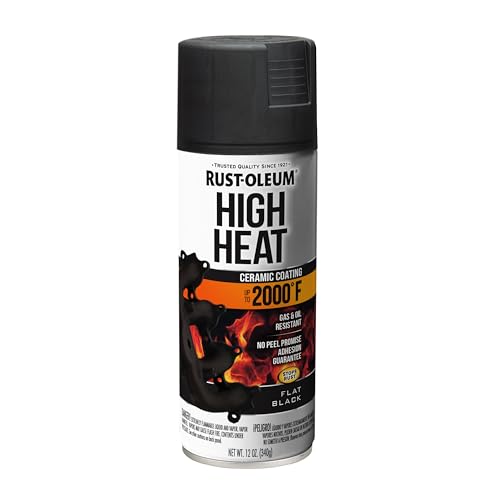
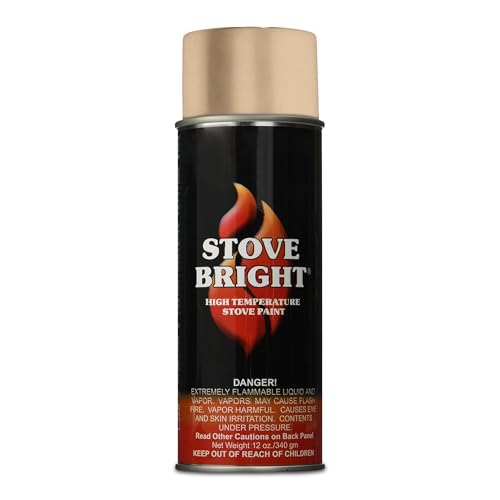
| High-Heat Spray Paint (Aerosol) | Up to 1,200°F (650°C) | Quick touch-ups, small surrounds, intricate details | Matte, satin, gloss |
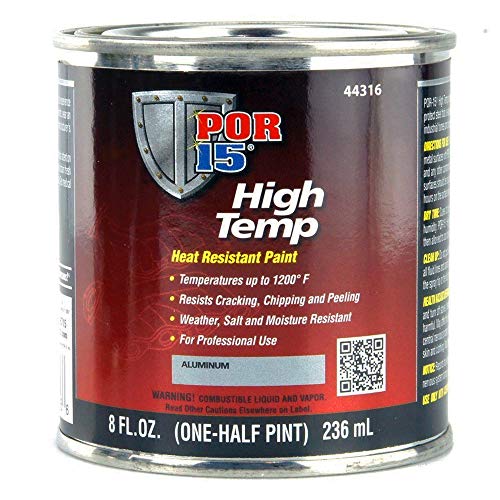
| Brush-On High-Heat Enamel | Up to 1,000°F (538°C) | Larger surfaces, precise control, smooth finish | Semi-gloss, satin |
| Heat Resistant Primer | Up to 1,000°F (538°C) | Bare metal preparation, rust prevention | Matte |
| Ceramic Coating Paint | Up to 1,400°F (760°C) | Extreme heat areas, premium durability | Matte, satin |
When selecting a product, always check the manufacturer’s maximum temperature rating. For most metal fireplace surrounds, a paint rated for at least 650°F is sufficient, but higher ratings offer an extra margin of safety. If your surround is part of a larger fireplace insert setup, ensure the paint is compatible with the insert’s heat output.
Step-by-Step Preparation for Painting a Metal Fireplace Surround
Proper preparation is the key to a long-lasting finish. Follow these steps for best results:
- Clean the Surface: Remove all dust, grease, and soot using a degreaser and a lint-free cloth. For stubborn residue, use a fine steel wool pad.
- Remove Rust: Sand any rust spots with medium-grit sandpaper (120–220) until bare metal is exposed. Wipe clean.
- Sand and Scuff: Lightly sand the entire surround to create a profile for paint adhesion. Use 220-grit sandpaper, then wipe with a tack cloth.
- Protect Surrounding Areas: Use painter’s tape and drop cloths to protect the hearth, walls, and flooring. Remove the surround if possible for easier access.
- Apply Primer: Use a heat-resistant primer designed for metal. Apply a thin, even coat and allow it to dry according to the manufacturer’s instructions.
How to Apply Heat Resistant Paint to a Metal Surround
Once prepped, follow these application guidelines for a professional finish:
- Stir, Don’t Shake: For brush-on paints, stir thoroughly. For spray cans, shake for at least one minute after the mixing ball rattles.
- Apply Thin Coats: Multiple thin coats are better than one thick coat. This prevents drips and ensures even curing.
- Maintain Distance: For spray paint, hold the can 8–12 inches from the surface and use smooth, overlapping passes.
- Allow Flash Time: Wait 10–15 minutes between coats, or as directed by the manufacturer.
- Cure Properly: After the final coat, let the paint air-dry for 24 hours, then cure it by gradually increasing the fireplace temperature over several hours. This step is crucial for heat-resistant paints to achieve maximum hardness.
If your fireplace surround is part of a larger renovation, such as installing a gas fireplace in an existing home, coordinate the painting with other trades to avoid dust and damage.
Maintenance and Care for Painted Metal Fireplace Surrounds
To keep your painted surround looking new, follow these simple maintenance practices:
- Allow the paint to fully cure before cleaning. This may take up to 7 days depending on the product.
- Clean with a soft, damp cloth and mild soap. Avoid abrasive cleaners or scrubbing pads.
- Inspect annually for chips or scratches. Touch up with the same heat-resistant paint.
- Keep the area free of ash and soot, which can be slightly acidic and degrade the finish over time.
For comprehensive maintenance schedules, refer to our fireplace maintenance schedule and seasonal fireplace checklist.
Common Mistakes to Avoid
- Using Regular Paint: Never substitute standard paint, even if it’s labeled “heat resistant” for lower temperatures.
- Skipping Primer: Primer is essential for adhesion and rust prevention on bare metal.
- Overthick Application: Thick coats can trap solvents, leading to bubbles and poor curing.
- Ignoring Cure Instructions: Failure to follow the gradual heating process can prevent the paint from reaching its full strength.
By avoiding these pitfalls, you’ll ensure a durable, beautiful finish that enhances your interior design ideas for a living room with a fireplace.
Frequently Asked Questions
Can I use heat resistant paint on a metal fireplace surround that is already painted?
Yes, but you must remove any loose or peeling paint first. Sand the surface to feather edges, clean thoroughly, and apply a heat-resistant primer before the topcoat.
How long does heat resistant paint last on a fireplace surround?
When applied and cured correctly, high-quality heat-resistant paint can last 5–10 years or more, depending on usage and environment.
Is heat resistant paint safe for indoor use?
Most high-heat paints are safe for indoor use once fully cured. However, always check the label for VOC content and ensure proper ventilation during application.
Can I paint a metal fireplace surround without removing it?
Yes, you can paint it in place with careful masking. However, removing the surround allows for better access and a more even finish.
What is the best finish for a metal fireplace surround?
Matte or satin finishes are popular because they hide imperfections and look modern. Gloss finishes are easier to clean but may show dust more readily.
For more answers, visit our fireplace FAQ section.