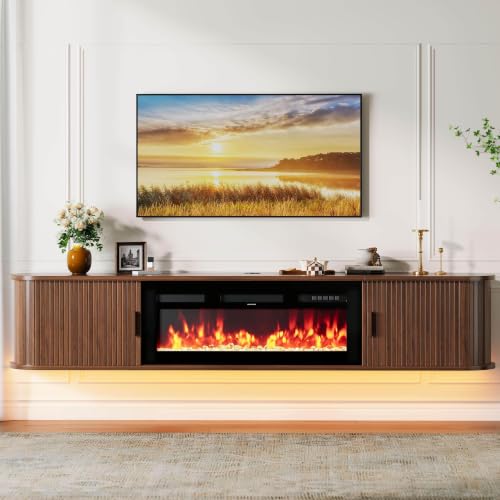
Living Room with Fireplace and TV on Different Walls
Discover how to create a balanced, functional living space with two distinct focal points. Learn layout strategies, furniture arrangements, and design principles for separating your fireplace and television.
EXPLORE LAYOUTSWhy This Layout Works: Placing your fireplace and TV on different walls solves the age-old dilemma of where to mount your television. It preserves the fireplace as a traditional architectural focal point while giving your TV an optimal viewing position—without compromising either.
The debate over whether to mount a TV above a fireplace has divided homeowners for years. Heat damage, neck strain, and aesthetic concerns make above-fireplace placement problematic for many households. The solution? A living room with fireplace and TV on different walls.
This arrangement creates two distinct zones within your living space: a warm, inviting conversation area centered on the fireplace, and an entertainment zone oriented toward the television. When done correctly, this layout enhances both functionality and visual appeal. For smaller spaces, our guide on small living room ideas with fireplace and TV offers additional solutions. You can also explore living room design ideas with fireplace and TV for broader inspiration.
Benefits of Separating Your Fireplace and TV
🛡️ Protects Your TV
Heat rising from a fireplace can damage sensitive electronics over time. Wall-mounted TVs above fireplaces face constant thermal stress, potentially shortening their lifespan. Separate walls eliminate this risk entirely, especially important if you've invested in a realistic wall-mounted electric fireplace nearby.
👁️ Comfortable Viewing Angles
TVs mounted above fireplaces force viewers to look upward, causing neck strain during extended watching sessions. When your TV sits on its own wall at eye level, you can relax naturally. This is particularly important for entertainment centers designed for 65-inch TVs and larger screens.
🔥 Preserves Fireplace Aesthetics
A fireplace is an architectural feature that deserves to stand alone. Rather than competing with a television for attention, it becomes the centerpiece of a cozy conversation area. Consider enhancing it with farmhouse mantel decorating ideas that complement your overall design.
📐 Better Room Flow
Dual focal points naturally divide large rooms into functional zones. This creates intimate conversation areas near the fireplace and comfortable viewing areas near the TV. Learn more about proper living room furniture arrangement with fireplace to maximize your space.
Layout Options for Fireplace and TV on Different Walls
The ideal layout depends on your room's dimensions, the position of windows and doorways, and how you typically use the space. Here are the most effective arrangements:
Adjacent Walls (L-Shape)
Fireplace on one wall, TV on the perpendicular wall. This creates a natural L-shaped viewing area.
- Sectional sofa facing both focal points
- Swivel chairs for flexible viewing
- Works well in square-ish rooms
- Maintain 12-18 inch clearance between fireplace and TV
Opposite Walls
Fireplace on one end, TV on the other. Ideal for longer, rectangular rooms.
- Two separate seating zones
- Central sofa with chairs on both sides
- Clear visual separation between activities
- Consider a corner fireplace design for flexibility
Diagonal Placement
Corner fireplace with TV on an adjacent flat wall. Maximizes floor space.
- Excellent for small to medium rooms
- Creates natural traffic flow
- Corner fireplace serves as architectural accent
- Pair with small living room TV and fireplace ideas
Furniture Arrangement Strategies
Key Principles for Dual Focal Point Rooms
- Create a Primary and Secondary Zone: Decide which focal point—fireplace or TV—will be primary based on how you use the room most. Arrange your main seating to face that direction, with secondary seating angled toward the other.
- Use an L-Shaped or U-Shaped Sectional: A sectional sofa naturally wraps around two focal points. Position the longer section facing the TV for optimal viewing, with the shorter section angled toward the fireplace. This works especially well with built-ins on each side of your fireplace.
- Incorporate Swivel Chairs: Swivel chairs offer flexibility—rotate them toward the fireplace for conversation or toward the TV for movie nights. This is a game-changer for rooms where both focal points compete for attention.
- Define Zones with Rugs: Use area rugs to visually separate the fireplace conversation zone from the TV viewing zone. Two distinct rugs work better than one large rug when focal points are far apart.
- Consider Traffic Flow: Leave clear pathways between zones. Avoid placing furniture that blocks sightlines to either focal point. A fireplace with floating shelves on both sides can help define the space without blocking views.
- Balance Visual Weight: If your fireplace wall is heavily decorated, keep the TV wall more minimal. If the TV wall features built-in entertainment center designs, let the fireplace remain simpler.
Fireplace and TV Placement Comparison
| Placement Option | Viewing Comfort | Fireplace Safety | Design Balance | Best For |
|---|---|---|---|---|
| TV Above Fireplace | Poor (neck strain) | Risky (heat damage) | Single focal point | Small rooms with no alternatives |
| Adjacent Walls | Good (slight head turn) | Safe (with clearance) | Two focal points | Square rooms, open concepts |
| Opposite Walls | Excellent (direct view) | Very safe | Clear zone separation | Long rectangular rooms |
| Diagonal/Corner | Good (angled view) | Safe | Space-efficient | Small to medium rooms |
Ready to Transform Your Living Room?
Explore our curated selection of fireplaces and entertainment centers designed for dual focal point layouts.
VIEW RECOMMENDED PRODUCTSDesign Considerations for Different Walls
Beyond furniture placement, several design elements influence how successfully your fireplace and TV coexist on separate walls. The key is creating visual harmony while maintaining functional separation.
Lighting Strategy: Use different lighting for each zone. Ambient lighting near the fireplace creates warmth, while task lighting near the TV reduces eye strain. Consider dimmable options for movie nights.
Color Coordination: Tie the two walls together with a unified color palette. If you're working with existing brick, our guide on paint colors that go with red brick fireplace can help you coordinate. Similarly, painting over brick fireplace can dramatically change the room's character.
Storage Solutions: If you need additional storage, consider building built-in cabinets next to your fireplace or adding built-in cabinets and shelves around the fireplace. For TV-related storage, explore entertainment centers with fireplace and storage.
Fireplace Type Matters: The type of fireplace you have affects placement options. Electric fireplaces offer the most flexibility since they require no venting, as explained in our electric fireplace installation guide. Gas fireplaces need proper installation requirements considered. Understanding types of fireplaces helps you plan effectively.
Common Mistakes to Avoid
What Not to Do When Placing Fireplace and TV on Different Walls
- Ignoring the Primary Focal Point: Every room needs a dominant visual anchor. If both the fireplace and TV compete equally for attention, the space feels chaotic. Choose one as primary and arrange seating accordingly.
- Blocking Sightlines: Tall furniture placed between the fireplace and TV can obstruct views. Keep the space between focal points open, especially if they're on adjacent walls.
- Neglecting Cable Management: A TV on a separate wall still needs power and connectivity. Plan for outlets and cable routing during the design phase. Wall-mounted entertainment centers often include built-in cable management.
- Forgetting About Glare: Windows opposite your TV create glare problems. Similarly, windows opposite your fireplace can make it hard to enjoy the flames during daytime. Consider window treatments that control light.
- Insufficient Clearance: Even on different walls, maintain safe distances. Check your fireplace manual for clearance requirements. For gas fireplaces, review gas fireplace maintenance guidelines.
- Overlooking Heating Efficiency: If your fireplace is your primary heat source, understand its heating capacity and BTU output. An electric fireplace heater for large rooms might supplement heat effectively.
Pro Tips for Optimal Results
Measure Twice, Arrange Once: Before committing to a layout, use painter's tape to mark furniture positions on the floor. This low-cost step prevents expensive mistakes and helps you visualize traffic flow.
Consider a Media Wall: If your budget allows, a full wall entertainment center with fireplace can incorporate both elements into a cohesive design—but on different walls, each retains its own identity. For contemporary spaces, explore modern built-in entertainment center with fireplace options.
Think About Acoustics: Hard surfaces like stone fireplaces reflect sound. If your TV wall is opposite a stone fireplace, consider adding soft furnishings, curtains, or rugs to absorb echoes.
Plan for Future Technology: If you might upgrade to a larger TV in the future, leave extra space. Similarly, if you're considering a fireplace upgrade, research options like electric fireplace inserts to replace wood burning or converting a wood burning fireplace to gas logs.
Room Size and Layout Adaptations
The principles above apply to most living rooms, but smaller spaces require creative adaptation. In compact rooms, consider design ideas for small living room with fireplace or best fireplaces for small spaces.
For apartments or rental units, apartment fireplace installation options like wall-mounted electric units offer flexibility. If you're considering wall-mounted vs insert vs freestanding fireplaces, each has different space requirements.
For very small rooms where separate walls aren't feasible, a corner electric fireplace TV stand with remote combines both functions in one footprint. Alternatively, TV stands with fireplace and matching coffee tables create cohesive small-space solutions.
Frequently Asked Questions
Making Your Decision
A living room with fireplace and TV on different walls offers the best of both worlds: the warmth and charm of a traditional fireplace alongside optimal TV viewing. By carefully considering layout, furniture arrangement, and design details, you can create a space that feels intentional rather than compromised.
Remember that the "right" arrangement depends on your specific room and lifestyle. If you entertain frequently, prioritize the fireplace as the social hub. If movie nights are your thing, orient seating toward the TV. The beauty of separate walls is that you don't have to choose—both focal points can coexist beautifully.
For more inspiration, explore our comprehensive fireplace buying guide, learn how to size a fireplace for your room, and review fireplace maintenance tips to keep your investment looking its best for years to come.