Gas Fireplace Parts: The Complete Guide to Components
Understand every component of your gas fireplace, from burners and valves to thermocouples and pilot assemblies. Learn how each part works and how to troubleshoot common issues.
Explore the PartsWhy Understanding Gas Fireplace Parts Matters: Knowing the components of your gas fireplace empowers you to perform basic maintenance, diagnose problems accurately, and communicate effectively with technicians. This knowledge can save you time and help you avoid unnecessary service calls.
How a Gas Fireplace Works
A gas fireplace is a complex system of interconnected components that work together to produce a controlled flame and distribute heat safely. Whether you have a gas fireplace insert or a built-in unit, understanding the anatomy of your fireplace is the first step toward proper care and maintenance. The system relies on a precise sequence: gas enters through a supply line, passes through a valve, and is ignited by a pilot light or electronic ignition. The resulting flame heats a burner assembly, which may include gas fireplace logs or ceramic coals to simulate a realistic wood-burning fire.
For homeowners researching the best options, understanding these parts is essential when reviewing a gas fireplace buying guide. Similarly, if you're considering installation requirements, our guide on gas fireplace requirements can help you plan properly. The efficiency of your system depends heavily on the condition of its parts, so regular gas fireplace maintenance is crucial.
Essential Gas Fireplace Components
Below are the key parts that make up a typical gas fireplace system. Each component plays a specific role in safety, performance, and efficiency.
1. Gas Burner
The burner is where combustion occurs. It distributes gas evenly to create a consistent flame pattern. Burners can be made of stainless steel or heavy-duty cast iron. A clogged or corroded burner can lead to weak flames or uneven heating, which may require cleaning or replacement.
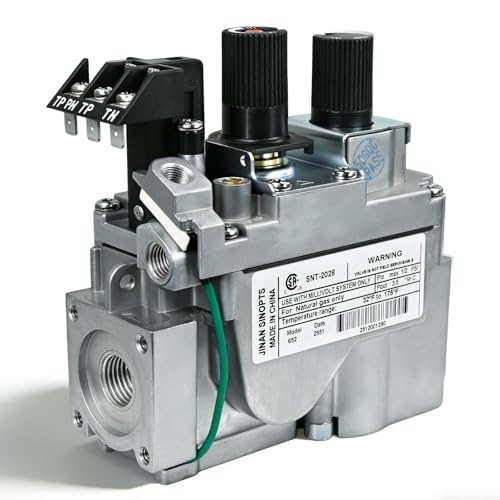
2. Gas Valve
The gas valve controls the flow of gas to the burner and pilot light. It can be manual or electronic (thermostatic). Modern valves often include a regulator to maintain consistent pressure. A faulty valve can cause the fireplace to not turn on or to produce a weak flame.
3. Pilot Assembly
The pilot assembly consists of a small pilot light, a thermocouple, and a thermopile. The pilot light ignites the main burner when the valve opens. The thermocouple and thermopile act as safety sensors, shutting off gas if the pilot light goes out.
4. Thermocouple & Thermopile
These safety devices generate a small electrical current when heated by the pilot flame. The thermocouple keeps the pilot light on, while the thermopile generates enough power to operate the main gas valve. If either fails, your fireplace won't stay lit.
5. Ignition System
Modern gas fireplaces use electronic ignition (spark or hot surface) instead of a standing pilot. This system is more energy-efficient and reliable. Components include an igniter module, a spark electrode, and a flame sensor.
6. Blower Fan
Many gas fireplaces include a blower fan to circulate heated air into the room. The blower is controlled by a thermostat or a manual switch. A noisy or non-functioning blower is a common issue, often requiring cleaning or replacement.
7. Remote Control & Receiver
For convenience, many units come with a remote control that operates the flame height, blower, and thermostat. The receiver is wired to the gas valve and receives signals from the remote. Issues with the remote are common and often resolved by replacing batteries or reprogramming.
8. Firebox & Logs
The firebox contains the combustion process and is lined with refractory panels or brick. Gas logs (ceramic or fiber) are placed inside to mimic a wood fire. Damaged logs or panels should be replaced to maintain efficiency and safety.
Common Part Failures & Troubleshooting
When your gas fireplace isn't working correctly, the issue often traces back to a specific component. Use this table to diagnose common problems and determine which part may need attention. For more detailed troubleshooting, see our gas fireplace troubleshooting guide.
| Symptom | Likely Faulty Part | Solution |
|---|---|---|
| Pilot light won't stay lit | Thermocouple or thermopile | Clean or replace the thermocouple. Check connections. |
| Weak or uneven flame | Clogged burner or low gas pressure | Clean burner ports. Check gas supply and valve. |
| Fireplace won't turn on | Gas valve, ignition module, or remote | Test valve, check ignition, replace remote batteries. |
| Blower not working | Blower motor or thermostat | Clean blower, check power, replace if faulty. |
| Pilot light goes out repeatedly | Pilot assembly or thermocouple | Clean pilot orifice, replace thermocouple. |
| Smell of gas | Leaking gas line or valve | Turn off gas immediately. Call a professional. |
If you experience a problem like a gas fireplace weak flame or a gas fireplace won't light situation, identifying the part at fault is the first step. For safety, always consult a licensed technician for gas-related repairs.
Maintaining Your Gas Fireplace Parts
Regular maintenance extends the lifespan of your gas fireplace and ensures safe operation. Here are key tasks:
- Annual Inspection: Schedule a professional gas fireplace inspection to check all components, including the burner, valve, and venting.
- Cleaning: Clean the gas fireplace burner and glass regularly to prevent soot buildup. Use a fireplace glass cleaner for best results.
- Blower Care: Vacuum the blower fan and surrounding area to prevent dust accumulation. Refer to our gas fireplace blower fan guide for detailed instructions.
- Remote & Thermostat: Replace batteries in remotes and thermostats annually. If you need a new remote, see our gas fireplace remote control replacement guide.
For a comprehensive schedule, consult our fireplace maintenance schedule. If you ever smell gas, follow our fireplace smells like gas safety protocol immediately.
Frequently Asked Questions
Final Thoughts
Understanding the parts of your gas fireplace is invaluable for any homeowner. It allows you to perform routine maintenance, recognize early warning signs of failure, and make informed decisions when repairs are needed. Whether you're dealing with a pilot light that keeps going out or simply want to keep your system in top shape, this knowledge ensures your fireplace remains a safe and efficient source of warmth for years to come.
For more detailed information on specific components or troubleshooting, explore our other guides linked throughout this article.