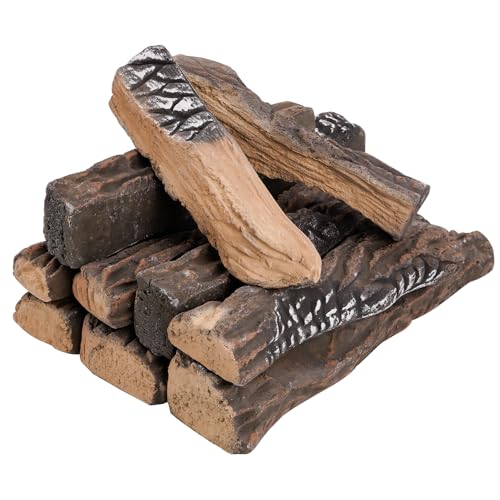
Gas Fireplace Requirements
Everything you need to know before installing a gas fireplace: gas line specifications, venting requirements, clearance distances, safety codes, and professional installation guidelines.
EXPLORE REQUIREMENTSWhy This Guide Matters: Gas fireplaces are among the most popular heating appliances for modern homes, but improper installation can lead to safety hazards, failed inspections, and costly rework. Understanding the requirements before you buy ensures a smooth installation process and years of safe, efficient operation.
Understanding Gas Fireplace Requirements
Gas fireplaces have become a preferred choice for homeowners seeking the ambiance of a real fire without the hassle of wood storage, ash cleanup, and chimney maintenance. However, unlike electric fireplaces that simply plug into a standard outlet, gas models involve complex installation requirements that must be met for safe and legal operation.
The specific requirements for your gas fireplace depend on several factors: the type of unit you choose (vented, ventless, or direct vent), your home's existing infrastructure, local building codes, and the manufacturer's specifications. This guide walks you through each category of requirements so you can approach your gas fireplace buying guide with confidence.
Before diving into the technical details, it's worth understanding how gas fireplaces compare to other options. If you're still deciding between fuel types, our electric fireplace vs gas fireplace comparison can help clarify which direction makes sense for your home. For those who have already settled on gas, the information below will prepare you for every stage of the process.
Key Requirement Categories
🔥 Gas Line & Fuel Supply
Your home needs a dedicated gas line with adequate pressure and volume. Natural gas requires a municipal connection, while propane models need a tank and regulator. The line size must match the BTU rating of your chosen fireplace.
💨 Venting & Exhaust
Vented and direct vent models require proper exhaust pathways. Direct vent systems use concentric pipes for intake and exhaust, while B-vent and natural vent models need a vertical chimney or approved flue.
📏 Clearances & Framing
Manufacturers specify minimum clearances to combustibles on all sides. These distances protect walls, flooring, and mantels from heat damage and are non-negotiable for safety and warranty compliance.
⚡ Electrical Connections
Most modern gas fireplaces include blowers, remote controls, or electronic ignition systems that require a nearby electrical outlet. Hardwired models need a dedicated circuit.
📋 Permits & Inspections
Nearly all gas fireplace installations require a building permit and post-installation inspection. Your local code office can confirm specific requirements for your jurisdiction.
👷 Professional Installation
Gas line connections must be performed by a licensed plumber or gas fitter. Many manufacturers require professional installation to validate the warranty.
Gas Line & Fuel Supply Requirements
The gas line is the foundation of any gas fireplace installation. Without a properly sized and installed line, your fireplace will not operate at peak efficiency, and in some cases, it may not function at all.
Line Size and Pressure
Gas fireplaces typically require a 1/2-inch supply line for standard residential units. However, high-output models with larger gas fireplace heating capacity may need a 3/4-inch line to deliver sufficient volume. The line size is determined by three factors: the BTU rating of the fireplace, the distance from the gas meter or propane tank, and the total gas load of all appliances on the same line.
Natural gas appliances in the United States typically operate at 3.5 to 7 inches of water column pressure. Propane models usually require 10 to 11 inches of water column. Your installer will verify that your supply pressure falls within the manufacturer's specified range. If pressure is too low, the flame will be weak and inefficient; if too high, it can damage the gas valve and create safety hazards.
Natural Gas vs Propane
Natural gas requires a connection to your municipal gas supply. If your home already has gas service for heating, cooking, or water heating, extending a line to the fireplace location is relatively straightforward. Propane models require an outdoor tank and a regulator to step down the pressure before it enters the home.
For homes without existing gas infrastructure, the decision becomes more complex. Our guide on gas fireplace without gas line explores alternatives such as propane tanks, electric models, and ethanol units. The cost of installing a gas fireplace in an existing home can vary significantly depending on whether a gas line already exists at the desired location.
⚠️ Important: Never attempt to connect a gas line yourself. Gas leaks are extremely dangerous and can cause explosions, fires, or carbon monoxide poisoning. Always hire a licensed professional who will pressure-test the line and check for leaks before commissioning the appliance.
Venting and Exhaust Requirements
Venting is the most variable requirement across different gas fireplace types. The three main venting configurations—direct vent, natural vent (B-vent), and ventless—each have distinct installation criteria.
Direct Vent Fireplaces
Direct vent fireplaces use a sealed combustion system with two concentric pipes: one for intake air and one for exhaust. This design allows for horizontal or vertical termination through an exterior wall or roof, making them suitable for homes without a traditional chimney. Direct vent models are highly efficient because they do not use conditioned indoor air for combustion.
The termination location must meet specific clearance requirements from windows, doors, corners, and grade level. Manufacturers typically require a minimum of 12 inches from any opening and 18 inches from grade. For detailed installation requirements, see our gas fireplace installation requirements guide.
Natural Vent (B-Vent) Fireplaces
B-vent fireplaces rely on natural draft to expel exhaust gases through a vertical chimney. They require a properly sized flue that extends above the roofline, and they draw combustion air from the room. Because they use indoor air, B-vent models are less efficient than direct vent units and require adequate room air infiltration.
If you are installing a gas fireplace insert into an existing wood-burning fireplace, you may need a chimney liner. Our article on gas fireplace insert into wood burning fireplace covers this scenario in detail. For general venting guidelines applicable to all fireplace types, see fireplace venting requirements.
Ventless (Unvented) Fireplaces
Ventless gas fireplaces do not require any chimney or flue. They burn gas at nearly 100% efficiency, meaning almost all combustion byproducts are converted to heat and water vapor. However, they are not legal in all states and provinces due to indoor air quality concerns. Some jurisdictions restrict ventless appliances to a maximum BTU input, and some ban them entirely in bedrooms and bathrooms.
If you are considering a ventless model, check your local codes first. Our guide on DIY ventless fireplace discusses the installation process for these units, and ventless fireplace logs covers log set options that work with ventless systems.
| Venting Type | Chimney Required | Efficiency | Best For |
|---|---|---|---|
| Direct Vent | No — horizontal or vertical termination | High (sealed combustion) | Most homes, new construction, retrofits |
| Natural Vent (B-Vent) | Yes — vertical flue required | Moderate | Homes with existing chimneys |
| Ventless | No | Very high (nearly 100%) | Apartments, condos, homes without venting options |
Clearance and Framing Requirements
Clearance requirements are the distances that must be maintained between the fireplace and combustible materials such as wood framing, drywall, flooring, and mantels. These distances are specified by the manufacturer and are based on UL or CSA testing standards.
Typical clearances for a gas fireplace include:
- Sides: Usually 0 to 1 inch from the firebox to combustible framing, depending on the model's zero-clearance design
- Top: Often 2 to 6 inches to the header above the fireplace opening
- Floor: Most gas fireplaces require a non-combustible hearth extension of 12 to 18 inches in front of the opening
- Mantel: Combustible mantels must be a minimum distance above the firebox, typically 6 to 12 inches
- Surround: Non-combustible materials such as tile, stone, or metal must extend a specified distance around the opening
Failure to respect clearances can void your warranty, create fire hazards, and fail inspection. If you are remodeling an existing fireplace, our fireplace surround replacement guide and fireplace remodel ideas collection provide practical guidance on updating surrounds and mantels while meeting code.
For installations where a TV is mounted above the fireplace, additional heat management may be required. See TV above fireplace safety for guidelines on safe mounting distances and heat shields.
Electrical Requirements
While gas fireplaces produce heat from combustion, most modern models include electrical components that require a power source. Electronic ignition systems, variable-speed blowers, remote control receivers, and thermostat controls all need electricity to function.
Most gas fireplaces require a standard 120-volt outlet within reach of the unit's power cord. Some models are hardwired and require a dedicated circuit. If your fireplace includes a blower fan, the electrical requirements may be more demanding. Our gas fireplace blower fan guide explains how blowers improve heat distribution and what electrical specifications they require.
If your chosen fireplace location does not have an existing outlet, you will need to run electrical wiring before the fireplace is installed. This is often done at the same time as the gas line installation and framing. Planning both together minimizes disruption and reduces overall project cost.
Safety and Building Code Requirements
Gas fireplace installations are governed by national codes such as the National Fuel Gas Code (NFPA 54) and local building codes. These regulations exist to protect occupants from fire, carbon monoxide, and gas leaks.
Carbon Monoxide Detection
Every home with a gas fireplace should have carbon monoxide detectors installed on each level and near sleeping areas. Carbon monoxide is colorless and odorless, and it can accumulate if a vented fireplace malfunctions or if a ventless unit is used in an undersized room. Our guide on fireplace carbon monoxide detector provides placement recommendations and maintenance tips.
For comprehensive safety guidance that applies to all fireplace types, see fireplace safety guide and fireplace safety tips.
Permits and Inspections
Most jurisdictions require a permit for gas fireplace installation. The permit process typically involves submitting plans, paying a fee, and scheduling an inspection after installation. The inspector will verify gas connections, venting, clearances, and electrical work.
Skipping permits can result in fines, forced removal of the appliance, and complications when selling your home. Your installer should be familiar with local requirements and can often handle the permit application on your behalf. For a broader overview of what's involved, see fireplace permit requirements.
Annual Inspection and Maintenance
After installation, your gas fireplace requires regular maintenance to remain safe and efficient. Annual inspections by a qualified technician should check the gas connections, burner, pilot assembly, venting, and blower. Our gas fireplace inspection guide details what a professional inspection covers, while gas fireplace maintenance provides a homeowner's maintenance schedule.
Installation Process Overview
Understanding the installation sequence helps you plan your project and set realistic expectations. While specific steps vary by fireplace type and home layout, most installations follow this general order:
- Site assessment and planning: Determine the best location based on clearances, venting options, gas line routing, and electrical access
- Permit application: Submit plans and obtain necessary approvals before beginning work
- Framing and rough-in: Build the enclosure, run the gas line, install electrical wiring, and position the venting system
- Fireplace installation: Set the unit in place, connect gas and electrical, and seal venting connections
- Finishing: Install surround, mantel, hearth, and any decorative elements
- Testing and commissioning: Pressure-test gas connections, verify flame appearance, test blower and controls, and check for leaks
- Inspection: Schedule the final inspection with your local code authority
Many homeowners wonder whether they can handle parts of the installation themselves. Our DIY vs professional fireplace installation guide breaks down which tasks are safe for DIY and which require licensed professionals. For those converting an existing wood-burning fireplace to gas, the process has additional considerations covered in converting wood burning fireplace to gas logs and cost of converting wood burning fireplace to gas.
Ready to Choose Your Gas Fireplace?
Now that you understand the requirements, explore our recommended gas fireplace models below. Each unit is selected for quality, efficiency, and ease of installation.
View Recommended ModelsRelated Guides & Resources
- Gas Fireplace Buying Guide
- Gas Fireplace Installation Requirements
- Gas Fireplace Heating Capacity BTU Guide
- Gas Fireplace Insert Guide
- Gas Fireplace Inserts
- Gas Fireplace Maintenance
- Gas Fireplace Inspection
- Gas Fireplace Troubleshooting
- Fireplace Venting Requirements
- Fireplace Safety Guide
- Fireplace Permit Requirements
- Do Fireplaces Need a Chimney?
Frequently Asked Questions
It depends on the type of gas fireplace. Direct vent models require only a small horizontal or vertical termination on an exterior wall — no traditional chimney is needed. B-vent models require a vertical flue that extends above the roofline. Ventless models require no chimney or venting at all. If you are installing a gas insert into an existing wood-burning fireplace, you may need a chimney liner to safely route exhaust gases.
Most residential gas fireplaces use a 1/2-inch gas line. However, units with higher BTU input or those installed at a significant distance from the gas meter may require a 3/4-inch line. The correct size depends on the fireplace's BTU rating, the length of the gas run, and the total gas load of other appliances. A licensed gas fitter should calculate the proper size and install the line.
Gas line connections must be performed by a licensed professional in virtually all jurisdictions. While some homeowners may handle framing, finishing, and venting rough-in, the gas connection itself requires a licensed plumber or gas fitter. Additionally, most manufacturers require professional installation to validate the warranty. Even for ventless models, permits and inspections are typically mandatory.
Clearance requirements vary by manufacturer and model. Many modern zero-clearance gas fireplaces can be framed directly against combustible materials on the sides and back. However, the top clearance is typically 2 to 6 inches, and combustible mantels must be a minimum distance above the firebox. Always follow the manufacturer's installation manual for specific clearances.
Ventless gas fireplaces are legal in many states but are restricted or banned in others. Some jurisdictions prohibit them entirely, while others allow them only in certain rooms or with BTU limits. California, for example, has strict regulations on ventless appliances. Always check with your local building department before purchasing a ventless model.
A straightforward direct vent installation in a home with existing gas and electrical infrastructure can often be completed in one to two days. Projects that require running a new gas line, building a framed enclosure, or installing a chimney liner may take several days to a week or more. Permit processing and inspection scheduling can also add time to the overall project timeline.