Gas Fireplace Blower Fan Guide: Maximize Heat & Efficiency
Discover how a blower fan transforms your gas fireplace from a decorative feature into a powerful heating source. Learn about types, installation, maintenance, and how to choose the right one.
START LEARNINGWhy a Blower Fan Matters: A gas fireplace without a blower fan primarily radiates heat directly in front of it. A blower fan actively circulates that heat throughout your room, dramatically improving efficiency and comfort. This guide will help you understand everything you need to know before buying or installing one.
What Is a Gas Fireplace Blower Fan?
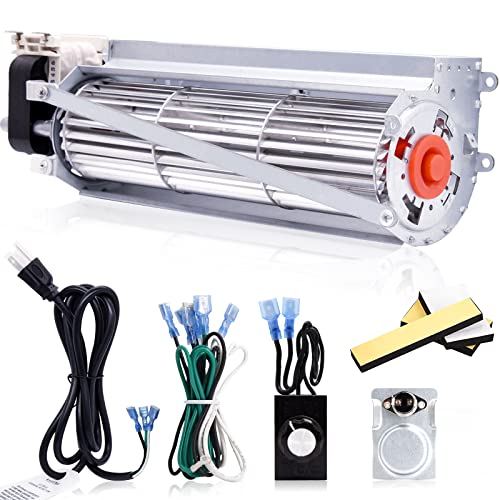
A gas fireplace blower fan is an electromechanical device designed to circulate heated air from the fireplace into the surrounding room. Without a blower, a gas fireplace relies on natural convection and radiation, which often leaves much of the generated heat trapped near the unit. A blower fan actively pushes that warm air outward, distributing it more evenly and quickly.
Most modern gas fireplaces come with blower options or can be retrofitted with a compatible kit. The fan is typically installed near the bottom of the firebox, drawing cool air from the room, passing it over a heat exchanger, and then expelling warmed air through vents at the top. This process creates a continuous cycle that can significantly raise the temperature of your living space.
If you're still in the process of selecting a gas fireplace, our gas fireplace buying guide can help you choose a model that supports blower installation.
How Does a Blower Fan Work?
Understanding the mechanics of a blower fan helps you appreciate its value. Here's a step-by-step breakdown of how it operates:
- Air Intake: The blower draws cooler air from the room through vents located near the bottom or sides of the fireplace.
- Heat Exchange: This air passes over a heat exchanger—a metal surface heated by the firebox. As the air moves across this surface, it absorbs heat.
- Air Distribution: The now-warmed air is pushed out through vents at the top of the fireplace, circulating into the room.
- Thermostatic Control: Many modern blowers include a thermostat or variable-speed control, allowing the fan to activate only when the fireplace reaches a certain temperature and to adjust speed based on desired comfort.
This cycle continues as long as the fireplace is operating and the blower is switched on. The result is a more consistent, comfortable temperature and reduced energy waste. For a deeper dive into heating capacity, see our gas fireplace heating capacity BTU guide.
Benefits of a Blower Fan
Investing in a blower fan for your gas fireplace offers several compelling advantages:
- Improved Heat Distribution: Instead of heat pooling in one area, a blower spreads warmth evenly across the room.
- Increased Efficiency: By moving heated air, the fireplace requires less fuel to maintain a comfortable temperature, potentially lowering operating costs.
- Faster Warm-Up: Rooms heat up more quickly, especially in larger spaces.
- Enhanced Comfort: Eliminates cold spots and reduces the feeling of drafts.
- Extended Fireplace Lifespan: By reducing overheating near the firebox, a blower can help prevent wear on internal components.
For a broader perspective on efficiency, explore our guide to most energy-efficient fireplace types.
Types of Blower Fans
Not all blower fans are created equal. Understanding the different types helps you make an informed decision:
Single-Speed Blowers
These are the most basic models. They operate at one fixed speed when turned on. They are typically entry-level and budget-friendly, but they offer no flexibility in noise or airflow control.
Variable-Speed Blowers
These allow you to adjust the fan speed to your preference. You can run them at a low, quiet setting for background warmth or at higher speeds for rapid heating. Mid-range and premium models often feature this capability.
Thermostatically Controlled Blowers
These advanced blowers automatically turn on when the fireplace reaches a preset temperature and turn off when it cools down. This automation maximizes efficiency and convenience. High-end models frequently include this feature.
Kit-Based vs. Integrated Blowers
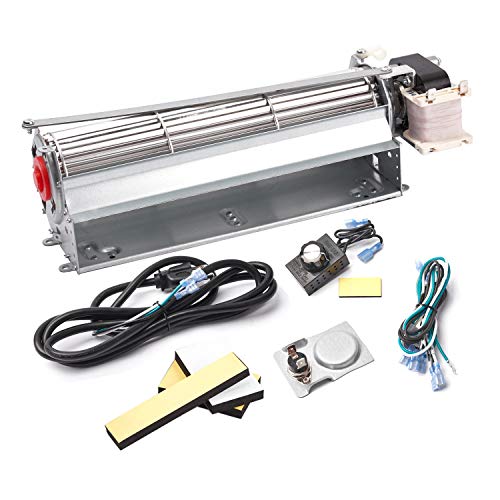
Some fireplaces come with integrated blowers, while others require a separate kit. Kit-based blowers are designed for specific models and ensure compatibility. Always check your fireplace's manual or consult the manufacturer before purchasing. If you have an insert, you might look for a gas fireplace insert with blower as a complete solution.
How to Choose the Right Blower Fan
Selecting the right blower fan involves several considerations:
- Compatibility: Ensure the blower is designed for your specific gas fireplace model. Check the manual or manufacturer's website.
- Noise Level: If your fireplace is in a living area, a quiet model is essential. Variable-speed and premium blowers tend to be quieter.
- Controls: Decide whether you want manual, remote, or thermostatic control. Remote controls add convenience, while thermostats optimize efficiency. See our guide on gas fireplace insert with blower and remote control.
- Power Source: Most blowers plug into a standard outlet. Some hardwired models exist. Consider the proximity of an outlet.
- Warranty and Build Quality: Look for models with robust construction and a solid warranty. Premium brands often offer longer warranties and more durable components.
For a comprehensive look at fireplace parts and accessories, visit our fireplace accessories section.
Installation Guide
Installing a blower fan can often be a DIY project, but it requires careful attention to safety and manufacturer instructions. Here's a general overview:
- Gather Tools and Materials: You'll typically need a screwdriver, wire nuts, electrical tape, and the blower kit.
- Turn Off Power: Always shut off the gas supply and unplug the fireplace from electricity before starting.
- Access the Fireplace: Remove the front panel or access door as per your fireplace's design.
- Mount the Blower: Position the blower in its designated spot, usually near the bottom of the firebox. Secure it with screws.
- Connect Wiring: Follow the wiring diagram provided. Typically, you'll connect the blower to the fireplace's power supply and, if applicable, the thermostatic switch.
- Test and Reassemble: Restore power and gas, then test the blower. Once confirmed working, reassemble the fireplace.
If you're not comfortable with electrical work, it's best to hire a professional. For more detailed installation tips, see our guide on how to install a fireplace blower. If you need help deciding between a blower and a fan, read our article on blower vs fan.
Maintenance Tips
To ensure your blower fan runs efficiently and lasts long, regular maintenance is key:
- Clean Regularly: Dust and debris can accumulate on the fan blades, reducing efficiency and causing noise. Vacuum or brush the blades gently.
- Check for Lubrication: Some blowers have sealed bearings that don't require lubrication. Others may need a few drops of light machine oil annually. Consult your manual.
- Inspect Wiring: Periodically check for frayed wires or loose connections. If you notice any damage, replace or repair immediately.
- Listen for Unusual Noises: Grinding or rattling sounds may indicate worn bearings or debris. Address these promptly to avoid further damage.
- Schedule Professional Service: If you're unsure about any aspect of maintenance, have a professional inspect your fireplace and blower annually.
For a comprehensive maintenance routine, see our gas fireplace maintenance guide and our fireplace maintenance schedule.
Troubleshooting Common Issues
Even with proper care, blower fans can develop issues. Here are some common problems and solutions:
- Blower Not Turning On: Check the power source, thermostat settings, and wiring. If the fireplace is not hot enough, the thermostat may not trigger the blower. See fireplace blower fan not working.
- Excessive Noise: Clean the blades and check for obstructions. If noise persists, bearings may be worn and need replacement.
- Weak Airflow: Ensure the blower is set to the desired speed and that vents are not blocked. A clogged heat exchanger can also reduce airflow. See gas fireplace troubleshooting.
- Blower Runs Continuously: This may indicate a faulty thermostat or a wiring issue. Turn off the fireplace and consult a technician.
For more general troubleshooting, visit our fireplace troubleshooting hub.
Frequently Asked Questions (FAQ)
What does a blower fan do on a gas fireplace?
A blower fan circulates heated air from the fireplace into the room, significantly improving heat distribution and efficiency compared to a fireplace without one.
Can I add a blower fan to my existing gas fireplace?
In many cases, yes. Many gas fireplace models have a compatible blower kit available. Check your fireplace manual or contact the manufacturer to confirm compatibility. You might also consider a gas fireplace insert with a blower for a more integrated solution.
How noisy is a gas fireplace blower fan?
Noise levels vary by model. Premium blowers operate very quietly, often below normal conversation levels. Entry-level models may produce a noticeable hum. Variable-speed blowers allow you to balance noise and heat output. For a comparison, see our article on fireplace blower vs fan.
How long do gas fireplace blower fans last?
With proper maintenance, a quality blower fan can last 10 to 15 years or more. Regular cleaning and lubrication (if applicable) extend its lifespan. See our gas fireplace maintenance guide for tips.
Do I need a professional to install a blower fan?
Not necessarily. Many blower kits are designed for DIY installation. However, if you're uncomfortable with electrical work or your fireplace is complex, hiring a professional is recommended. Our guide on how to install a fireplace blower can help you decide.
Conclusion
A gas fireplace blower fan is a worthwhile investment for any homeowner looking to maximize the heating potential of their fireplace. It transforms a primarily aesthetic feature into a functional heating appliance, improving comfort and efficiency. By understanding how blowers work, the types available, and how to choose and maintain one, you can make an informed decision that enhances your home's warmth for years to come.
For further reading, explore our gas fireplace buying guide and fireplace accessories pages. If you're considering a complete upgrade, look at our gas fireplace insert with blower and remote control recommendations.