
Gas Fireplace Insert with Glass Front: The Complete Guide
Transform your existing fireplace with a modern, efficient gas insert featuring a sleek glass front. Learn about performance, safety, and how to make the right choice for your home.
Why Choose a Glass Front? A glass front on a gas fireplace insert offers more than just a contemporary look. It enhances heating efficiency by radiating warmth evenly, improves safety by sealing off the combustion chamber, and provides a clear, unobstructed view of the realistic flames.
What Is a Gas Fireplace Insert with a Glass Front?
A gas fireplace insert with a glass front is a self-contained heating unit designed to be installed inside an existing masonry or prefabricated wood-burning fireplace. The glass front—typically made of tempered or ceramic glass—serves as a sealed barrier between the firebox and your living space. This design offers significant advantages over traditional open-hearth fireplaces.
Unlike a simple gas log set, an insert is a dedicated appliance that includes its own burner, controls, and often a blower fan. The glass front is a defining feature that distinguishes it from older, open-front gas inserts. This sealed combustion system is central to the unit's high efficiency and safety. For a broader understanding of how inserts compare to other options, explore our guide on wall-mounted vs. insert vs. freestanding fireplaces.
Key Benefits of a Glass-Front Gas Insert
Choosing a model with a glass front is a decision that impacts performance, safety, and aesthetics. Here are the primary advantages.
1. Superior Heating Efficiency
The sealed glass front prevents heated room air from escaping up the chimney. Instead, the unit draws in combustion air from outside (in direct vent models) or from the room (in ventless models) and transfers heat directly into your home. Many glass-front gas inserts achieve efficiency ratings between 70% and 90%, a massive improvement over the 10% to 20% efficiency of a traditional open fireplace. This can translate to significant energy savings. To understand how this translates to heating power, see our fireplace heating capacity BTU guide.
2. Enhanced Safety
The glass front acts as a physical barrier, keeping embers, sparks, and combustion byproducts safely contained. It also prevents children and pets from touching the open flame. For ventless models, the glass front ensures that the catalytic converter works optimally to burn off nearly all carbon monoxide, making them safe for indoor use. Always review our carbon monoxide signs from fireplace guide for complete safety awareness.
3. Realistic and Clean Look
Modern gas inserts are designed to mimic the look of a real wood fire. The glass front provides a crystal-clear view of the flames dancing over ceramic logs or glass media. It also keeps the firebox clean from soot and dust, maintaining a pristine appearance with minimal effort. If you enjoy a rustic aesthetic, you might consider how a glass front compares to traditional glass fireplace doors for wood burning fireplaces.
4. Reduced Maintenance
Because the combustion chamber is sealed, there is no ash to clean and less creosote buildup in the chimney. The glass itself is easy to clean. Our guide on how to clean fireplace glass provides a simple, step-by-step method for keeping it spotless.
Types of Gas Inserts with Glass Fronts
Not all glass-front gas inserts are the same. They are primarily categorized by their venting method, which affects installation and performance.
Direct Vent (Sealed Combustion)
This is the most common and efficient type. A direct vent insert uses a coaxial pipe (a pipe within a pipe) to draw outside air for combustion and exhaust gases to the outside. This means it does not use indoor air, making it ideal for modern, airtight homes. The glass front is sealed, and the unit operates independently of the home's air pressure. This is a top choice for energy-efficient fireplace types.
Ventless (Vent-Free)
These inserts are designed to burn gas so cleanly that they require no external venting. The glass front is still present, but the unit draws combustion air from the room and releases heat and trace amounts of water vapor back into the room. They are nearly 100% efficient but require specific room size and ventilation considerations. Always check local codes. For a detailed comparison, read our article on ventless gas fireplace inserts with blower and remote.
How to Choose the Right Glass-Front Gas Insert
Making the right choice involves several key considerations beyond just the look.
Size and Heat Output
Measure your existing fireplace opening to determine the maximum insert size. Match the insert's BTU output to your room size. A unit that is too powerful can make the room uncomfortably warm, while one that is too weak will struggle to heat the space. Our guide on how to size a fireplace offers a simple formula to get this right.
Venting Requirements
Determine if your home's layout allows for a direct vent installation. You will need a path to an outside wall for the venting pipes. If you are considering a conversion from wood, our article on converting from wood to gas fireplace covers the process. You can also read more about general gas fireplace installation requirements.
Features and Controls
Look for models with features that enhance convenience and comfort. Many mid-range and premium units come with a remote control, thermostat, and a variable-speed blower. A fireplace blower fan is essential for circulating heat effectively throughout the room.
Glass and Frame Aesthetics
The glass front is a visual focal point. Consider the shape (linear, square, or traditional) and the frame finish (black, stainless steel, or bronze). Some premium inserts feature a "clean-face" design where the glass sits nearly flush with the wall, creating a sleek, modern built-in look. This is often a key feature in contemporary modern fireplace designs.
Installation and Maintenance Essentials
Proper installation and regular maintenance ensure your insert operates safely and efficiently for years.
Professional installation is highly recommended for gas appliances. This is not a typical DIY project. Our article on DIY vs. professional fireplace installation explains why. After installation, a simple maintenance routine is key. This includes an annual inspection by a qualified technician, which is covered in our annual fireplace inspection guide. For all gas models, regular gas fireplace maintenance is crucial.
Common Troubleshooting for Glass-Front Inserts
Even with a reliable unit, you might encounter minor issues. Knowing the common problems can help you diagnose them quickly.
- Pilot Light Issues: If the pilot light keeps going out, it could be a dirty thermocouple or a draft. See our guide on what to do when the pilot light keeps going out.
- Weak Flame: A weak or lazy flame often indicates a problem with the gas pressure or a blocked burner orifice. Learn more about a gas fireplace weak flame.
- Glass Condensation: Some condensation on the inside of the glass is normal during startup. If it persists, it could indicate a venting issue. Our article on condensation inside fireplace glass explains more.
- Noise: A humming or buzzing noise is often from the blower fan. This is usually a sign that it needs cleaning or replacement. See our guide on a fireplace blower fan not working.
Frequently Asked Questions
Are gas fireplace inserts with glass fronts safe?
Yes, they are very safe when installed correctly. The glass front seals the firebox, preventing sparks and embers from escaping. Direct vent models also exhaust all combustion byproducts outside. Ventless models use a catalytic converter to burn off nearly all carbon monoxide. As with any gas appliance, proper installation and annual maintenance are essential.
Do I need electricity for a gas insert with a glass front?
Most modern gas inserts with a blower fan and electronic ignition require electricity to operate. However, many models have a battery backup that allows the unit to be lit manually and provide heat (without the blower) during a power outage. Our guide on if you can use a gas fireplace without electricity provides more detail.
Can I install a glass-front gas insert myself?
This is generally not recommended. Gas appliance installation involves running gas lines, venting, and electrical connections, which are complex and regulated by local building codes. A mistake can be dangerous. It is always best to hire a licensed professional. For a more detailed explanation, see our article on DIY gas fireplace considerations.
Recommended Gas Fireplace Inserts with Glass Fronts
⚠️ AFFILIATE DISCLOSURE: This website contains affiliate links. As an Amazon Associate, we earn from qualifying purchases. If you make a purchase through these links, we may receive a small commission at no additional cost to you. Read our full affiliate policy.

Duluth Forge Dual Fuel Ventless Gas Fireplace Insert - 32,000 BTU, Remote Control - Model# FDF400RT-ZC
Check price on Amazon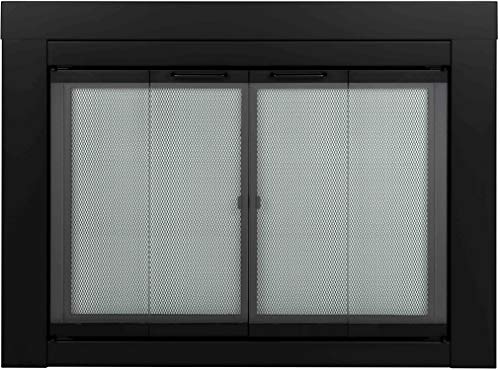
Pleasant Hearth AT-1002 Ascot Fireplace Glass Door, Black, Large
Check price on Amazon
LegendFlame® Damon 39" W Electric Fireplace Insert with Glass Door and Mesh Screen (EF265B), Fireplace Heater 750/1500W, Fire Crackling Sound, Remote Control…
Check price on Amazon
Duluth Forge Natural Gas Ventless Gas Fireplace Insert - 26,000 BTU, T-Stat Control - Model# FNF300T
Check price on Amazon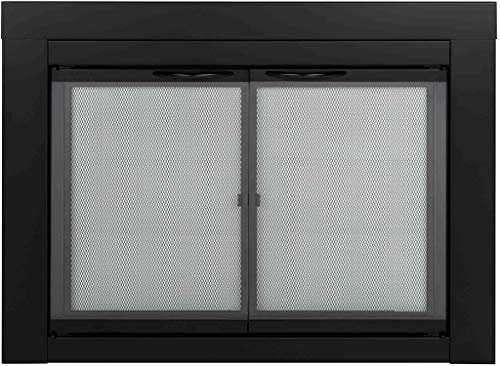
Pleasant Hearth AN-1010 Alpine Fireplace Glass Door, Black, Small
Check price on Amazon
LegendFlame Damon 35 Inches Electric Fireplace Insert with Trim Kit, Glass Door and Mesh Screen, Fireplace Heater 750/1500W, Fire Crackling Sound, Adjustable Flame Speed, Remote Control, Black
Check price on Amazon
Duluth Forge Dual Fuel Ventless Gas Fireplace Insert - 32,000 BTU, Remote Control - Model# FDI32R
Check price on Amazon
Dimplex Revillusion® 30 Inch Built-in Electric Firebox - Herringbone Brick Background - Includes Realistic Faux Logset, Front Glass Panel, Firebox, and Plug Kit
Check price on AmazonDisclaimer
Some content on this site is created with the help of AI. All information is provided for educational purposes only, not as professional advice. We are not responsible for any losses that may arise from the use of this information. By accessing this site, you agree to waive your right to bring legal claims against us related to the use of the information provided. If you do not agree, please leave this site. Read more.