Electric vs Gas Fireplace: Which Is Right for Your Home?
Choosing between an electric and a gas fireplace is one of the most important decisions for any homeowner. This comprehensive guide breaks down installation, heating performance, efficiency, maintenance, safety, and long-term ownership considerations so you can make a confident, informed choice.
Quick Summary: Electric fireplaces are easier to install, require no venting, and offer flexible placement with lower upfront complexity. Gas fireplaces deliver a more realistic flame, stronger heating output, and can operate during power outages. Your choice depends on your home's existing infrastructure, heating needs, and lifestyle priorities.
Electric vs Gas Fireplace: The Fundamental Differences
Both electric and gas fireplaces have evolved dramatically over the past decade. Modern electric models feature hyper-realistic LED flames with crackling sound effects, while today's gas units offer improved efficiency ratings and sleek, linear designs. Understanding the core differences helps you match a fireplace to your specific situation.
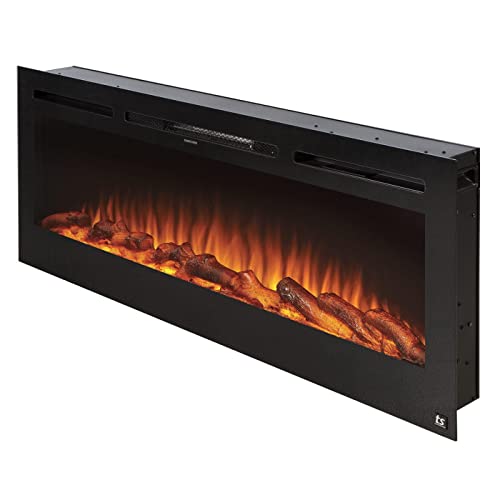
An electric fireplace operates by drawing household electricity to power a heating element and a flame-effect mechanism. Because it produces no combustion byproducts, it requires no chimney, vent, or gas line. This makes it the most versatile option for apartments, condos, and rooms without existing fireplace infrastructure. If you are exploring design options, our electric fireplace ideas with pictures can help you visualize the possibilities.
A gas fireplace burns either natural gas or propane to produce a real flame. It requires a gas connection and a venting system (unless it is a ventless model). Gas fireplaces are often chosen for their authentic ambiance and higher heat output, making them suitable for larger living spaces. For a broader comparison that includes wood-burning options, see our guide on electric vs gas vs wood fireplace comparison.
If you are still at the beginning of your research, the fireplace buying guide provides a step-by-step framework for evaluating your needs. You may also want to review which fireplace is right for your home to narrow down your options based on room size, budget tier, and usage patterns.
Pros and Cons at a Glance
⚡ Electric Fireplace
- No venting or chimney required
- Plug-and-play installation in most cases
- Can be placed on any wall with an outlet
- Zero combustion emissions
- Consistent, zone-specific heating
- Remote control and smart features common
- Lower maintenance requirements
- Flame realism is simulated, not real
- Heating capacity limited by electrical circuit
- Will not operate during a power outage
- Higher-tier models needed for large rooms
🔥 Gas Fireplace
- Real flame with authentic ambiance
- Higher heat output for larger spaces
- Can operate during power outages (millivolt systems)
- Instant on/off with wall switch or remote
- Lower electricity usage than electric models
- Adds perceived value to a home
- Requires gas line and professional installation
- Venting requirements add complexity
- Annual professional maintenance recommended
- Combustion byproducts require monitoring
- Less flexibility in placement
Installation: Complexity, Requirements, and Flexibility
Installation is often the deciding factor for homeowners. The two fireplace types differ significantly in what they require before the first flame appears.
Electric Fireplace Installation
Most electric fireplaces are designed for straightforward installation. Wall-mounted and freestanding models typically plug into a standard household outlet. Built-in and insert models may require minor framing work, but they still avoid the need for venting or gas connections. The electric fireplace installation plug-and-play guide walks through the process for common configurations.
For homeowners replacing an old wood-burning fireplace, an electric fireplace insert for an existing fireplace can be a practical solution. Similarly, installing an electric fireplace insert into an existing fireplace is a popular renovation choice that avoids major construction. If you are considering a DIY approach, review our DIY electric fireplace resources before starting.
Because electric models do not require venting, they can be placed in bedrooms, bathrooms, offices, and even RVs. This flexibility is a major advantage for renters and apartment dwellers. See apartment fireplace installation for specific guidance on small-space living.
Gas Fireplace Installation
Gas fireplace installation is more involved. It requires a dedicated gas line, proper venting (for most types), and compliance with local building codes. A licensed professional typically handles the installation. The gas fireplace installation requirements guide covers clearance, venting, and safety specifications.
If your home does not already have a gas line, the project scope increases. Our article on gas fireplace without a gas line explains the alternatives and considerations. For homes with an existing wood-burning fireplace, a gas fireplace insert into a wood-burning fireplace can be an efficient upgrade. You may also explore DIY gas fireplace options, though professional installation is strongly recommended for safety and code compliance.
Ventless gas fireplaces offer more placement flexibility, but they still require a gas connection and produce combustion byproducts that must be monitored. The ventless fireplace guide explains how these models work and where they are appropriate.
Installation Comparison
| Factor | Electric Fireplace | Gas Fireplace |
|---|---|---|
| Venting Required | No | Yes (except ventless models) |
| Gas Line Required | No | Yes |
| Professional Installation | Often optional | Strongly recommended |
| Placement Flexibility | High — any wall with an outlet | Limited by gas line and venting |
| Typical Installation Time | Hours to one day | One to several days |
| Permits | Rarely required | Often required |
Heating Performance and Efficiency
Heating capability is where gas and electric fireplaces diverge most. Understanding BTU output and efficiency ratings helps you set realistic expectations for your space.
Electric Fireplace Heating
Electric fireplaces typically produce between 1,500 and 5,000 BTUs per hour, depending on the model tier. Entry-level units generally heat a single room or a small open-concept area. Mid-range and premium models with higher wattage can warm larger spaces more effectively. For detailed calculations, see the electric fireplace heating capacity BTU guide.
Many homeowners wonder if an electric fireplace can truly heat a room. The answer depends on room size, insulation, and the unit's wattage. Our article on do electric fireplaces heat a room provides a realistic assessment. For larger spaces, a best electric fireplace heater for a large room may be necessary.
Efficiency-wise, electric fireplaces convert nearly all consumed electricity into heat, making them 100% efficient at the point of use. However, the cost of electricity per unit of heat is often higher than natural gas in many regions. The electric fireplaces high efficiency guide explains how to maximize performance.
If you need to heat a specific square footage, explore models like an electric fireplace that heats 1000 square feet or an electric fireplace that heats up to 1000 square feet. For zone heating, pairing a fireplace with a electric fireplace thermostat guide can improve comfort and efficiency.
Gas Fireplace Heating
Gas fireplaces generally produce higher BTU output, often ranging from 20,000 to 40,000 BTUs or more. This makes them capable of heating larger rooms or even contributing to whole-home warmth in some configurations. The gas fireplace heating capacity BTU guide provides detailed calculations.
Efficiency ratings for gas fireplaces vary. Standard models may be 70–80% efficient, while high-efficiency condensing units can exceed 90%. The most energy-efficient fireplace types guide compares these ratings across fuel types.
One advantage of gas is the ability to operate during power outages if the unit uses a millivolt ignition system. This makes gas a more resilient heating option in areas prone to extended outages. The can a fireplace heat an entire house article explores the limits and possibilities.
Heating Comparison
| Factor | Electric Fireplace | Gas Fireplace |
|---|---|---|
| Typical BTU Output | 1,500 – 5,000 BTU/hr | 20,000 – 40,000+ BTU/hr |
| Efficiency | ~100% at point of use | 70–90%+ depending on model |
| Best For | Zone heating, small to medium rooms | Larger rooms, supplemental heat |
| Power Outage Operation | No | Yes (millivolt systems) |
| Heat Distribution | Blower-assisted, localized | Radiant and convective, wider spread |
Running Costs and Long-Term Ownership
Understanding the cost to operate each type of fireplace helps you plan for long-term ownership. While upfront costs vary by tier, running costs depend on fuel prices in your region and how often you use the fireplace.
The electric vs gas fireplace running costs guide provides a detailed breakdown. In general, natural gas tends to be more economical per unit of heat in many markets, but electric fireplaces are often used for shorter, targeted heating sessions, which can offset the difference.
For electric models, the electricity usage page explains how wattage translates to hourly consumption. The are electric fireplaces expensive to run article addresses common concerns and provides practical tips. You can also review fireplace electricity usage for a broader perspective.
Long-term cost considerations extend beyond fuel. The hidden costs of owning a fireplace guide covers maintenance, parts replacement, and potential repairs. For a side-by-side comparison of which type saves more over time, see long-term cost: which fireplace saves money.
For a full project budget overview, the fireplace cost breakdown provides a tier-based framework. If you are considering a gas insert, the cost of gas fireplace insert and installation article offers specific guidance. For renovation scenarios, fireplace remodeling cost helps you plan.
Maintenance and Care Requirements
Maintenance needs differ significantly between electric and gas fireplaces. Understanding these differences helps you choose a model that fits your lifestyle and tolerance for upkeep.
Electric Fireplace Maintenance
Electric fireplaces are relatively low-maintenance. Regular dusting of vents and occasional cleaning of the glass or flame screen are usually sufficient. The electric fireplace maintenance tips guide covers the essentials, and cleaning an electric fireplace provides step-by-step instructions for dust and vent care.
Because there is no combustion, there is no creosote, ash, or soot to manage. The fireplace maintenance schedule can help you set a routine. For troubleshooting common issues, see electric fireplace troubleshooting.
Gas Fireplace Maintenance
Gas fireplaces require more regular professional attention. Annual inspections are recommended to check for leaks, blockages, and component wear. The gas fireplace maintenance guide outlines a comprehensive routine. Cleaning the burner and glass is also important; see how to clean a gas fireplace burner and how to clean fireplace glass.
Chimney or vent inspections are necessary for vented models. The chimney cleaning guide explains when and why to schedule service. The annual fireplace inspection guide provides a checklist. For gas-specific inspections, see gas fireplace inspection.
Seasonal preparation is also important. The winter fireplace preparation guide and seasonal maintenance checklist help you stay ahead of potential issues.
Maintenance Comparison
| Task | Electric Fireplace | Gas Fireplace |
|---|---|---|
| Dusting / Basic Cleaning | Monthly or as needed | Monthly or as needed |
| Glass Cleaning | Occasional | Regular — soot can accumulate |
| Professional Inspection | Rarely required | Annually recommended |
| Chimney / Vent Service | Not applicable | Annually for vented models |
| Combustion Byproducts | None | Requires monitoring |
Safety Considerations
Both fireplace types are safe when installed and maintained correctly, but they carry different risk profiles.
Electric fireplaces produce no carbon monoxide, no open flame, and no combustion byproducts. The primary safety considerations are electrical load and cord placement. The electric fireplace safety tips guide covers these points in detail. If you are concerned about carbon monoxide, our article on do electric fireplaces produce carbon monoxide provides reassurance.
Gas fireplaces involve combustion, which means carbon monoxide is a potential risk if the unit is malfunctioning or improperly vented. Installing a fireplace carbon monoxide detector is strongly recommended. The signs of carbon monoxide from a fireplace article explains what to watch for.
General fireplace safety applies to both types. The fireplace safety hub and fireplace safety guide cover clearance, child and pet safety, and fire extinguisher placement. If you have young children, a fireplace gate or fireplace gates can provide peace of mind. The furniture distance from fireplace guide helps you arrange your room safely.
For overnight use, see can you leave a fireplace on overnight and is it safe to sleep with a fireplace on.
Which Should You Choose? A Decision Framework
Use the following framework to match your situation to the right fireplace type.
🏢 You live in an apartment or rental
Electric fireplaces are typically the only viable option because they require no permanent modifications, venting, or gas connections.
Electric🏠 You want to heat a large living room
Gas fireplaces deliver higher BTU output and can effectively warm larger spaces. A high-wattage electric model may also work, but gas has the advantage.
Gas🔧 You prefer minimal installation work
Electric fireplaces win here. Most models plug into a standard outlet and require no venting or gas line.
Electric🔥 You want the most realistic flame
Gas fireplaces produce a real flame with authentic ambiance. Electric models have improved, but they remain simulated.
Gas⚡ You want to operate during a power outage
Gas fireplaces with millivolt ignition can operate without electricity. Electric models cannot.
Gas🧹 You prefer low maintenance
Electric fireplaces require significantly less upkeep — no chimney, no combustion byproducts, no annual professional service.
Electric💰 You want lower running costs
Natural gas is often cheaper per unit of heat, but electric fireplaces are typically used for shorter sessions. Regional fuel prices matter.
Depends on Region🏡 You want to add home value
Both can add value, but a built-in gas fireplace is often perceived as a more permanent, premium feature. See does a fireplace add value to your home.
BothFor a side-by-side comparison that includes wood-burning options, revisit our electric vs gas vs wood fireplace comparison. If you are weighing an electric fireplace against a space heater for supplemental heat, the electric fireplace vs space heater article may be helpful.
Frequently Asked Questions
Is a gas fireplace better than an electric fireplace?
Neither is universally better. Gas fireplaces produce a real flame, offer higher heat output, and can operate during power outages. Electric fireplaces are easier to install, require no venting, and have lower maintenance needs. The right choice depends on your home's infrastructure, heating requirements, and lifestyle.
Can an electric fireplace heat a whole room?
Yes, most mid-range and premium electric fireplaces can effectively heat a single room, especially with a blower and thermostat. For larger rooms, choose a higher-wattage model. See our best electric fireplace heater for large room guide for recommendations.
Do gas fireplaces need electricity to operate?
Not always. Gas fireplaces with a millivolt ignition system can operate without electricity, making them a reliable heat source during power outages. However, models with electronic ignition or blowers require electricity. See can you use a gas fireplace without electricity for details.
Which is cheaper to run: electric or gas fireplace?
It depends on local fuel prices and usage patterns. Natural gas is often cheaper per unit of heat, but electric fireplaces are frequently used for shorter, targeted heating sessions. The electric vs gas fireplace running costs guide provides a detailed comparison.
Can I install a gas fireplace myself?
Gas fireplace installation involves gas lines, venting, and building codes. Professional installation is strongly recommended for safety and compliance. The DIY vs professional fireplace installation article explains the risks and requirements.
Do electric fireplaces produce carbon monoxide?
No. Electric fireplaces produce no combustion, so they do not emit carbon monoxide. This makes them a safer option for apartments, bedrooms, and other enclosed spaces. See do electric fireplaces produce carbon monoxide for more information.
How long does a fireplace last?
With proper maintenance, both electric and gas fireplaces can last 10–20 years or more. The fireplace lifespan article covers factors that affect longevity.
Ready to explore specific models? Our recommended fireplaces section below features top-rated electric and gas options from Amazon, carefully selected for performance, reliability, and value.
View Recommended Fireplaces