Fireplace Remodeling Cost: Complete Guide to Budgeting Your Project
Understand what drives fireplace remodeling costs, compare project tiers, and learn how to plan your renovation with confidence — no hidden surprises.
EXPLORE COST FACTORSRemodeling a fireplace is one of the most impactful upgrades you can make to a living space. It changes the focal point of the room, improves heating efficiency, and can even increase your home's value. But before you start picking out stone veneer or a new mantel, you need a realistic picture of what a fireplace remodel will involve financially.
This guide breaks down fireplace remodeling cost by tier, material, and scope of work. Whether you're planning a cosmetic refresh or a full structural change, you'll learn which factors matter most, where you can save, and how to avoid common budget traps. For a broader look at what goes into a fireplace project, see our fireplace cost breakdown.
📋 What You'll Learn: The four remodel tiers and what they include · Key cost drivers (materials, labor, venting, permits) · How fuel type affects your budget · Realistic expectations for each project scope · Money-saving strategies that don't compromise quality.
What Drives Fireplace Remodeling Cost?
Every fireplace remodel is a combination of three major components: the materials you choose, the labor required to install them, and any structural or code-related changes needed. Understanding how these interact helps you prioritize spending where it matters most.
🧱 Materials
From basic paint and tile to full stone veneer, marble slabs, or custom woodwork. Material choice is often the single biggest swing factor in your remodel.
🔨 Labor & Installation
Skilled trades — masons, carpenters, electricians, gas fitters — charge different rates. Complex jobs require more hours and sometimes multiple specialists.
📐 Scope of Work
A cosmetic update (paint, new mantel) is very different from moving the fireplace, changing fuel type, or rebuilding the chimney. Scope defines your tier.
🔌 Fuel & Venting
Switching from wood to gas or electric changes everything — venting requirements, electrical work, gas lines, and permit needs.
📜 Permits & Inspections
Structural changes, gas line work, and some electrical upgrades require permits. These add cost but protect your safety and home value.
🏠 Home Access & Condition
Hard-to-reach fireplaces, older homes with outdated wiring or masonry issues, and second-floor installations can increase labor time and complexity.
Fireplace Remodeling Cost by Project Tier
To make budgeting easier, we classify fireplace remodels into four tiers based on scope, materials, and complexity. These tiers are relative — your actual investment depends on your home, location, and specific choices.
| Tier | Typical Scope | Materials | Best For |
|---|---|---|---|
| Entry-Level | Paint, refacing, new mantel, hearth refresh, screen replacement | Paint, tile, basic wood, stock mantels, simple stone veneer | Quick cosmetic updates, rental properties, budget-conscious refreshes |
| Mid-Range | New surround, tile work, upgraded mantel, insert installation, blower addition | Quality tile, stone veneer, custom wood mantels, mid-tier inserts | Homeowners wanting a noticeable upgrade without structural changes |
| Premium | Full surround replacement, new hearth, fuel type conversion, built-in cabinetry | Natural stone, marble, custom millwork, high-efficiency inserts, gas lines | Major renovations, open-concept redesigns, efficiency upgrades |
| Luxury | Structural changes, chimney rebuild, custom design, smart integration | Floor-to-ceiling stone, bookmatched marble, bespoke metalwork, smart controls | High-end custom homes, architectural focal points, whole-room transformations |
Most homeowners land in the mid-range tier when they want a meaningful visual change without moving walls or changing fuel type. Entry-level projects are ideal if you're handy and want a fast refresh. Premium and luxury tiers involve professional design and trade coordination.
💡 Money-saving tip: Keeping your existing firebox and venting intact dramatically reduces cost. If your goal is aesthetic, focus on the surround, mantel, and hearth — not the firebox itself.
How Material Choices Affect Your Budget
Materials are where you have the most control over your fireplace remodeling cost. The same project can swing significantly depending on whether you choose ceramic tile or bookmatched marble, a stock mantel or a custom-built one.
Surround & Facing Materials
- Paint or refacing: The most budget-friendly option. Painting brick or tile is an entry-level project with high visual impact. See our fireplace painting tips for guidance.
- Ceramic & porcelain tile: Affordable, durable, and available in countless styles. Mid-range projects often use large-format tile for a modern look.
- Stone veneer: A step up in texture and realism. Manufactured veneer is more affordable than natural stone but still adds significant character. Explore DIY fireplace tile ideas if you're considering a hands-on approach.
- Natural stone & marble: Premium materials with unique veining and timeless appeal. Marble slabs require professional fabrication and installation, pushing projects into the premium tier.
Mantels & Shelving
A new mantel can transform a fireplace's look. Stock wood mantels are entry-level; custom millwork with integrated shelving or cabinetry moves into mid-range and premium territory. If you're considering built-ins, our guide on fireplaces with bookshelves on each side covers design options.
Hearths
Hearth replacement ranges from simple tile overlays to full stone slabs. Keep in mind that hearth materials must meet local code for heat resistance and clearance. For safety considerations, review fireplace safety guidelines.
Fuel Type Conversion: The Biggest Cost Variable
If your remodel involves changing how your fireplace operates, cost increases significantly. Here's how different conversions compare:
- Wood to gas: Requires a gas line, new insert or log set, and possibly venting changes. This is a premium-tier project. Learn more in our wood to gas conversion cost guide.
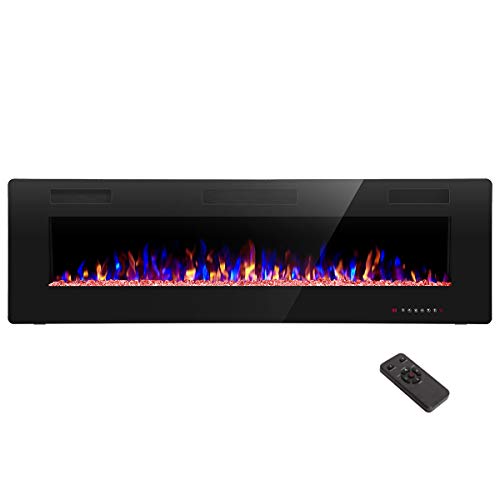
- Wood to electric: Simpler than gas — no venting or gas line needed. An electric insert can be a mid-range upgrade, especially if you choose a plug-and-play model. See converting wood burning to electric.
- Gas to electric: Often straightforward, but you'll need to cap the gas line and address electrical needs. Review our gas to electric conversion cost overview.
- Adding a fireplace insert: If you already have a firebox, adding an insert is more affordable than a full conversion. Compare options in our fireplace insert guide.
Fuel type also affects long-term running costs. For a side-by-side comparison, see electric vs gas running costs.
Labor, Permits, and Hidden Costs
Labor typically accounts for a significant portion of a fireplace remodel — often more than materials. Skilled trades charge based on complexity, time, and local market rates. Here's what to expect:
- Masons and tile setters: Essential for stone, brick, and tile work. Complex patterns or natural stone require more skill and time.
- Carpenters: Needed for custom mantels, built-ins, and framing changes.
- Electricians: Required for electric inserts, blowers, and lighting. If you're adding a new circuit, expect permit and inspection fees.
- Gas fitters: Licensed professionals for gas line installation or modification. This is not a DIY task.
- Chimney sweeps and inspectors: Necessary if you're keeping wood or gas venting. Annual inspections are part of responsible ownership — see annual fireplace inspection.
Permits vary by municipality but are common for structural changes, gas work, and electrical upgrades. Always factor permit fees and inspection scheduling into your timeline and budget.
⚠️ Hidden cost alert: Opening up a wall or removing an old surround often reveals surprises — damaged framing, outdated wiring, or deteriorated masonry. Set aside a contingency fund (typically 10–20% of your project budget) to handle unexpected repairs.
How to Save on Your Fireplace Remodel
You don't have to sacrifice quality to stay within budget. These strategies help you prioritize spending:
- Keep the firebox and venting intact. The biggest savings come from avoiding structural and fuel-type changes. If your firebox is functional, focus on the surround, mantel, and hearth.
- Choose manufactured stone over natural stone. You get the look of stone with lower material and labor costs.
- Do demo yourself. Removing old tile, mantels, or surrounds is labor-intensive but doesn't require special skills. Just be careful not to damage the firebox or structure.
- Use stock materials where possible. Stock mantels and standard tile sizes cost less than custom fabrication.
- Bundle projects. If you're already remodeling the room, combining fireplace work with flooring or painting can reduce overall labor costs.
- Consider an electric insert. If you want a quick, affordable upgrade, an electric insert adds ambiance and heat without venting or gas lines. See electric fireplace inserts.
For a deeper dive into long-term value, read which fireplace saves money long-term.
Frequently Asked Questions
Ready to explore fireplace options that fit your remodel plan?
VIEW RECOMMENDED FIREPLACESFinal Thoughts: Planning Your Fireplace Remodel Budget
A fireplace remodel is an investment in your home's comfort, aesthetics, and value. By understanding the tiers, materials, and labor involved, you can set a realistic budget and avoid surprises. Start with a clear scope, get multiple quotes from licensed professionals, and keep a contingency fund for the unexpected.
Whether you're refreshing an outdated surround or converting to a more efficient heating source, the key is matching your vision to your budget — and knowing where to splurge and where to save. For more inspiration and practical guidance, explore our fireplace remodel ideas and renovation ideas.