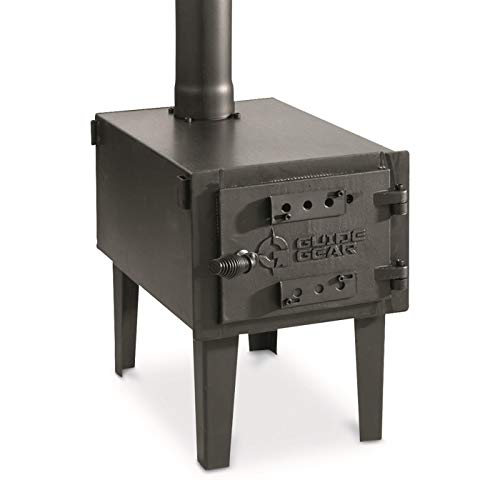
Wood Burning Stoves for Sale Near Me: Your Complete Guide
Discover how to find the perfect wood burning stove, understand key features, and make a confident purchase decision for your home.
If you're searching for wood burning stoves for sale near me, you're likely looking for a reliable, efficient, and charming way to heat your home. Wood stoves offer a unique blend of traditional ambiance and modern heating performance. This guide will walk you through everything you need to know before you buy, from understanding stove types and sizing to installation and maintenance. By the end, you'll be equipped to find the best wood burning stove for your needs and make a purchase with confidence.
Quick Tip: When searching for "wood burning stoves for sale near me," always prioritize local dealers who can provide service, support, and a physical location to inspect the stove before purchase.
Why Choose a Wood Burning Stove?
Wood burning stoves are a popular choice for homeowners seeking a reliable and aesthetically pleasing heat source. Unlike traditional open fireplaces, which are often inefficient, modern wood stoves are designed to burn wood more completely, producing more heat with less fuel. This makes them an excellent option for zone heating, allowing you to warm the rooms you use most while reducing reliance on central heating.
Another key advantage is their independence from the electrical grid. During power outages, a wood stove can keep your home warm and functional. For those interested in sustainable living, wood is a renewable resource, especially when sourced from responsibly managed forests. If you're considering a wood stove as a replacement for an older fireplace, you might explore options like replacing a wood burning fireplace with a gas insert, but for many, the authentic crackle and warmth of a wood fire are irreplaceable.
Types of Wood Burning Stoves
When browsing wood burning stoves for sale, you'll encounter several distinct types. Understanding the differences will help you narrow down your options.
Freestanding Stoves
Freestanding stoves are the most common and versatile. They stand independently and can be placed in various locations, provided proper clearances and venting are established. They are available in a range of styles, from traditional cast iron to sleek modern steel. A freestanding wood burning fireplace with blower can significantly enhance heat distribution, making it a great choice for larger spaces.
Fireplace Inserts
If you already have a masonry fireplace, a wood burning insert is an excellent way to upgrade its efficiency. Inserts fit into the existing firebox and are surrounded by a decorative faceplate. They are highly efficient and can dramatically reduce heat loss. Many models come with blowers to circulate warm air. You can learn more about wood burning fireplace inserts with blowers and how they compare to traditional open fireplaces.
Pellet Stoves
While technically not wood burning stoves in the traditional sense, pellet stoves burn compressed wood pellets. They offer convenience, automated operation, and high efficiency. However, they require electricity to operate and are not suitable for power outages. For the scope of this guide, we will focus on traditional cordwood stoves.
Cook Stoves
Some wood stoves are designed with a cooking surface on top, allowing you to prepare meals during power outages or simply enjoy the rustic experience. These are often found in off-grid cabins and homesteads.
| Type | Best For | Key Feature |
|---|---|---|
| Freestanding | Versatile placement, large rooms | Can be placed almost anywhere with proper venting |
| Fireplace Insert | Upgrading existing masonry fireplaces | High efficiency, fits into existing firebox |
| Pellet Stove | Convenience, automated heating | Burns wood pellets, requires electricity |
| Cook Stove | Off-grid living, emergency cooking | Integrated cooking surface |
Key Factors to Consider Before You Buy
Finding the right wood burning stove involves more than just picking a style you like. Several technical and practical factors will influence your satisfaction and safety.
Heating Capacity and BTU
The heating capacity of a wood stove is measured in British Thermal Units (BTU). The right BTU output depends on the size of the area you want to heat, your home's insulation, and your climate. A stove that is too small will struggle to keep up, while one that is too large will burn inefficiently, often overheating the room and wasting fuel. Our guide on heating capacity and BTU can help you calculate your needs. For a typical home, a mid-range stove often provides sufficient heat for a primary living area.
Efficiency Ratings
Modern wood stoves are subject to EPA regulations that limit particulate emissions. High-efficiency stoves burn wood more completely, producing more heat and less smoke. Look for stoves with efficiency ratings above 70%. These models may be premium or high-end in terms of tier, but they save money on fuel over time. You can compare them to other energy-efficient fireplace types to understand the broader market.
Material and Construction
Wood stoves are typically made from cast iron or steel. Cast iron stoves are durable, retain heat well, and offer a classic aesthetic. They are often considered luxury or top-tier items. Steel stoves heat up faster but may not hold heat as long. Soapstone is another material that offers excellent heat retention and a distinctive look. Each material has its pros and cons, and your choice may depend on your budget tier and design preferences.
Venting and Installation
Proper venting is critical for safety and performance. Wood stoves require a chimney or flue that meets specific codes. You can vent through an existing masonry chimney with a liner, or install a new prefabricated chimney. If you're wondering if you need a chimney or vent, the answer is yes—every wood stove requires a safe path for smoke to exit your home. Installation complexity can vary, and while some DIY enthusiasts attempt it, hiring a professional is strongly advised. For those considering a DIY approach, our guide on DIY vs professional installation outlines the risks and rewards. If you have an existing fireplace, you might also consider installing a wood stove in an existing fireplace as a viable option.
Clearances and Safety
Wood stoves emit significant radiant heat, so they must be installed with specific clearances from combustible materials like walls, floors, and furniture. Always follow the manufacturer's instructions and local building codes. A common question is how close furniture can be to a fireplace or stove—the answer is typically several feet, depending on the stove's design and heat output.
Maintenance and Longevity
Wood stoves require regular maintenance, including ash removal, chimney cleaning, and inspection of gaskets and firebricks. Proper maintenance ensures safety and extends the life of your stove. Our wood fireplace maintenance guide provides a comprehensive schedule. The lifespan of a fireplace or stove can be decades if well cared for.
How to Find Wood Burning Stoves for Sale Near Me
When you're ready to buy, you have several avenues to explore. Each has its own advantages.
Local Hearth and Home Retailers
Specialty hearth stores are often the best place to start. They carry a curated selection of high-quality stoves, and their staff can provide expert advice. You can see the stoves in person, ask about installation services, and often get a warranty. Many retailers also offer wood burning stove sales and installation near me as a bundled service.
Farm and Ranch Supply Stores
Stores like Tractor Supply or similar farm and ranch retailers often carry entry-level and mid-range wood stoves. These can be budget-friendly options, but you may need to arrange your own installation.
Online Marketplaces and Classifieds
Websites like Craigslist, Facebook Marketplace, and eBay can be a source for used stoves. This can be an affordable way to get a premium or luxury stove at a lower tier. However, you must inspect the stove thoroughly for cracks, warping, or missing parts. Always prioritize safety and never buy a stove with structural damage.
Professional Installers
Some chimney sweeps and hearth professionals also sell stoves. They can often provide a turnkey solution: they supply the stove, install it, and handle permits. This is a convenient option if you want a hassle-free experience. You can search for wood stove installation near me to find certified professionals in your area.
Manufacturer Direct
Some manufacturers sell directly to consumers through their websites. This can give you access to a wide range of models and sometimes exclusive deals. However, you'll still need to arrange installation with a local professional.
Top Brands and What to Look For
While we cannot list specific prices, we can discuss the market tiers. Wood stove brands generally fall into three categories:
- Entry-Level / Budget-Friendly: These stoves are functional and meet basic EPA standards. They may have simpler construction and fewer features. They are a good choice for occasional use or tight budgets.
- Mid-Range / Mid-Priced: These offer a good balance of efficiency, durability, and aesthetics. They often include features like blowers, ash pans, and glass doors. This is the most popular tier for primary home heating.
- Premium / High-End / Luxury: These stoves are built with the highest quality materials, advanced combustion technology, and superior craftsmanship. They offer the best efficiency, longest burn times, and often stunning design. They are an investment for those who want the best performance and aesthetics.
When evaluating a brand, look for EPA certification, a clear warranty, and availability of replacement parts. Reading reviews from other homeowners can also provide valuable insights into real-world performance and reliability.
Installation and Safety Essentials
Proper installation is non-negotiable for safety and performance. Here are key points to keep in mind:
- Professional Installation: Unless you are highly experienced, hire a certified installer. They will ensure the stove meets code, venting is correct, and clearances are respected.
- Permits: Many municipalities require a permit for wood stove installation. Check with your local building department. Our article on fireplace permit requirements can provide general guidance.
- Venting: The chimney or flue must be sized correctly for the stove and installed to code. A stainless steel chimney liner for wood stove is often recommended, especially when relining an existing chimney.
- Clearances: Maintain the required clearances to combustibles. Use non-combustible floor protection (hearth pad) as specified.
- Safety Devices: Consider installing smoke and carbon monoxide detectors nearby. Our guide on carbon monoxide signs is a must-read for any wood stove owner.
For those replacing an older unit, you might be interested in replacing a wood burning fireplace with electric for a different set of pros and cons, but if you're committed to wood, professional installation is the way to go.
Maintenance Tips for Longevity and Safety
A well-maintained wood stove operates efficiently and safely. Key tasks include:
- Ash Removal: Remove ashes regularly, but leave a small bed to help insulate the fire. Follow our ash removal and disposal guide.
- Chimney Cleaning: Have your chimney inspected and cleaned annually. Creosote buildup is a leading cause of chimney fires. See our chimney cleaning guide.
- Gaskets and Seals: Check door gaskets for wear and replace as needed to maintain airtightness.
- Firebricks: Inspect firebricks for cracks. Replace damaged bricks to protect the stove body.
- Seasonal Check: Before each heating season, perform a thorough inspection. Our seasonal fireplace checklist can help.
Frequently Asked Questions
How do I find wood burning stoves for sale near me?
Start with local hearth and home retailers, farm supply stores, and online marketplaces with local pickup. Always inspect the stove in person or verify the seller's reputation before purchasing. For professional installation, look for certified chimney sweeps who also sell stoves.
What size wood burning stove do I need?
The right size depends on your heating area, insulation, and climate. Use BTU ratings as a guide—a mid-range stove often heats 1,000 to 2,000 square feet. Consult our how to size a fireplace guide for more detailed calculations.
Are wood burning stoves environmentally friendly?
Modern EPA-certified stoves are much cleaner than older models. They produce fewer emissions and use less wood. However, all wood burning produces some particulates. Burning seasoned wood and maintaining your stove properly minimizes environmental impact.
Can I install a wood burning stove myself?
It is possible, but not recommended unless you have significant experience. Installation involves complex venting, clearances, and safety codes. Many areas require permits and inspections. Hiring a professional ensures safety and insurance compliance.
How much does a wood burning stove cost?
Costs vary widely based on tier. Entry-level stoves are budget-friendly, mid-range models offer a balance of features and performance, and premium or luxury stoves represent a significant investment. Installation costs are separate. For a detailed breakdown of fireplace costs, see our fireplace cost breakdown.
Ready to Find Your Perfect Wood Burning Stove?
Explore our recommended selection of wood burning stoves below. These products are chosen for their quality, performance, and value across different tiers.
View Recommended Stoves