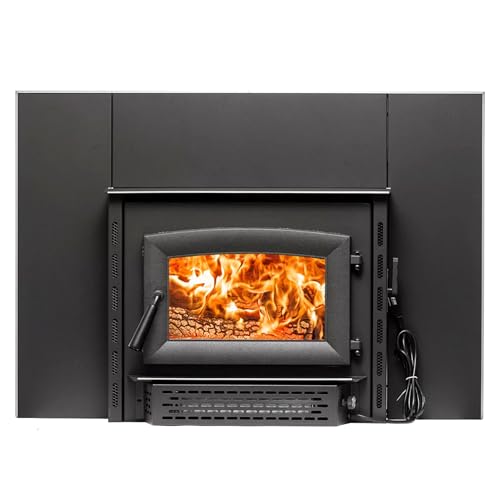
Wood Stove Installation Near Me: Your Complete Local Guide
Everything you need to know about finding a certified installer, understanding costs, permits, and ensuring a safe, efficient wood stove installation in your home.
Explore the GuideWhy Local Expertise Matters: Wood stove installation is not a generic job. Local codes, climate, and even the type of chimney your home has can vary significantly. Hiring a certified local professional ensures your installation is safe, compliant, and optimized for your specific environment.
Why You Need a Professional for Wood Stove Installation
Installing a wood stove is a significant home improvement project that offers warmth, ambiance, and potential energy savings. However, it's also a complex task that involves serious safety considerations. A poorly installed stove can lead to house fires, carbon monoxide poisoning, and voided insurance policies. That's why searching for "wood stove installation near me" is the first step toward a safe and successful project.
Professional installers bring expertise in ventilation requirements, clearances, and local building codes. They ensure your stove operates efficiently and safely, giving you peace of mind. Whether you're installing a new stove in a wood burning fireplace or adding a freestanding unit, a certified expert is essential.
What to Expect During a Local Wood Stove Installation
1. Site Assessment & Consultation
A local installer will visit your home to assess the installation site. They'll check your existing chimney, floor protection needs, and clearances to combustible materials. This is also when they'll discuss your heating goals and recommend the right stove size and type for your space.
2. Permits and Code Compliance
Your installer will handle the permitting process with your local municipality. This ensures the work meets all building and fire safety codes. Skipping this step can result in fines and insurance issues. You can learn more about general fireplace permit requirements to understand the process.
3. Chimney and Venting Setup
The most critical part of the installation is the venting system. This may involve installing a new stainless steel chimney liner for wood stove or connecting to an existing masonry chimney. Proper venting is crucial for draft and safety.
4. Stove Placement and Connection
The installer will position the stove, connect it to the venting system, and ensure all clearances are met. They'll also install floor protection (like a hearth pad) and any required wall shields.
5. Final Inspection and Testing
After installation, the system is tested for leaks and proper draft. The installer will walk you through operation, maintenance, and safety procedures. They may also coordinate a final inspection with the local building department.
6. Cleanup and Handover
A professional team will clean up the work area, removing all debris. You'll receive documentation for your records, including permits and warranty information.
How to Find the Best Wood Stove Installer Near You
Finding a qualified installer is key to a successful project. Here's what to look for:
- Certifications: Look for installers certified by the National Fireplace Institute (NFI) or the Chimney Safety Institute of America (CSIA). These certifications demonstrate a commitment to safety and expertise.
- Licensing and Insurance: Verify that the company is licensed to work in your area and carries both liability and workers' compensation insurance.
- Local Experience: An installer familiar with your area's climate and building codes is invaluable. They'll know the specific challenges of local homes.
- References and Reviews: Ask for references from recent local clients and check online reviews. A reputable installer will be happy to provide them.
- Detailed Quotes: Get at least three written quotes. A good quote will break down labor, materials (like chimney liners and stove pipes), and permit fees. Be wary of unusually low bids.
- Warranty: Ask about the warranty on their workmanship, separate from the manufacturer's warranty on the stove itself.
For those considering a wood burning stove, you might also explore options like wood burning stoves for sale near me to combine your purchase and installation research. If you're replacing an old unit, you might be interested in installing a wood burning stove in a fireplace.
Understanding Wood Stove Installation Costs
Instead of focusing on specific numbers, it's more helpful to understand the factors that influence the overall investment. Installation costs can range from entry-level for simple retrofits to premium for complex new installations.
Stove Type and Size
A small, entry-level stove will naturally be less complex to install than a large, high-end model with advanced features. The weight and flue size can also impact labor.
Venting Requirements
If you need a full new chimney system, the cost will be at the higher end. Installing a liner into an existing masonry chimney is a mid-range project. Direct-vent or simple through-the-wall kits are often more affordable.
Home Structure
Installations in homes with existing chimneys are generally simpler. Homes without a chimney require more extensive work, including framing and exterior flashing.
Local Labor Rates
Labor costs vary significantly by region. Urban areas typically have higher rates than rural areas. This is a major reason to get local quotes.
Permits and Inspections
Permit fees are set by your local government and are a required part of the project. Your installer will include these in their quote.
Add-Ons
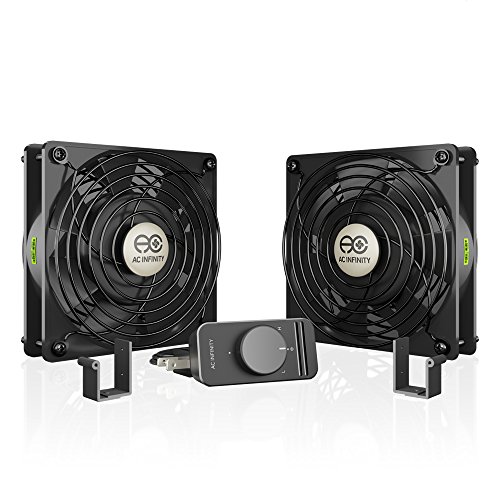
Additional items like a fireplace blower fan, hearth pads, or decorative fireplace mantels will add to the total cost but enhance performance and aesthetics.
To get a more detailed breakdown of what goes into a project, you can review a general fireplace cost breakdown.
Post-Installation Maintenance for Longevity
After your wood stove is installed, regular maintenance is essential for safety and efficiency. This includes wood fireplace maintenance tasks like:
- Annual Inspections: Have a certified chimney sweep inspect and clean your chimney and stove annually. This is crucial for preventing creosote buildup, a leading cause of chimney fires.
- Ash Removal: Regularly remove ashes using proper ash removal and disposal techniques.
- Door Gaskets: Check and replace door gaskets as needed to maintain an airtight seal.
- Seasonal Prep: Follow a seasonal fireplace checklist to prepare your stove for winter and maintain it during the off-season. You can also refer to a full fireplace maintenance schedule.
If you ever encounter issues like smoke coming into the room, refer to a guide on fireplace smoke problems or wood fireplace draft problems.
Frequently Asked Questions
How much does wood stove installation near me typically cost?
The cost varies based on factors like stove type, venting complexity, and local labor rates. An entry-level installation in an existing fireplace is typically more affordable, while a premium installation with a new chimney system will be at the higher end. Always get multiple quotes from local certified installers.
Do I need a permit to install a wood stove?
Yes, in most jurisdictions, a permit is required. This ensures the installation meets local building and fire codes. Your certified installer will usually handle the permitting process for you. You can read more about fireplace permit requirements.
How do I find a qualified wood stove installer near me?
Look for installers certified by the NFI or CSIA. Check online reviews, ask for local references, and verify they are licensed and insured. A reputable installer will provide a detailed written quote and explain the entire process.
Can I install a wood stove myself?
While it's technically possible, it's strongly discouraged. Wood stove installation involves complex venting, clearance, and safety requirements that are easy to get wrong. A professional installation ensures your stove is safe, efficient, and compliant with local codes. You can learn more about the DIY vs professional fireplace installation trade-offs.
How long does installation take?
A straightforward installation can take a day, while a more complex job involving a new chimney system might take two to three days. Your installer will provide a timeline with their quote. For more details, see fireplace installation time.
Ready to find your local installer? Use our recommended product search below to explore top-rated wood stoves and installation kits, then contact a certified professional in your area to get started.