Stainless Steel Chimney Liner for Wood Stove: The Complete Guide
Everything you need to know about selecting, sizing, insulating, and installing a stainless steel chimney liner for safe and efficient wood stove operation.
Why a Chimney Liner Matters: A properly sized and installed stainless steel chimney liner is the backbone of a safe, efficient wood stove system. It protects your home from creosote fires, ensures proper draft, and maximizes heat output. This guide walks you through every decision point so you can choose with confidence.
What Is a Stainless Steel Chimney Liner?
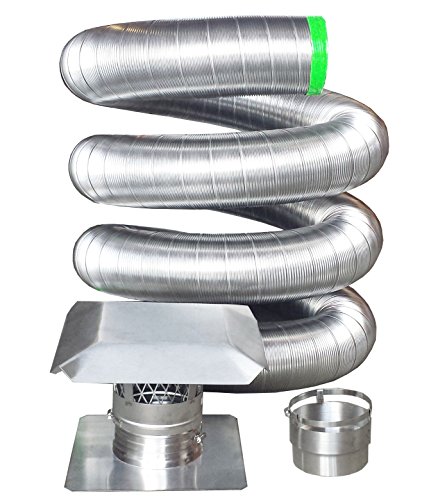
A stainless steel chimney liner is a corrosion-resistant metal tube that fits inside your existing masonry or prefabricated chimney. It creates a smooth, sealed passageway for smoke and combustion gases to exit your home. For wood stoves, the liner must handle higher temperatures and more corrosive byproducts than gas or oil appliances, which is why stainless steel—typically 316L or 304L alloy—is the material of choice.
The liner serves three critical functions: it protects the chimney structure from heat and creosote, it improves draft by maintaining consistent flue temperature, and it contains the fire and gases within a non-combustible enclosure. Without a liner, an older chimney can leak carbon monoxide into living spaces or allow creosote to accumulate directly on masonry, creating a serious fire hazard.
Types of Stainless Steel Chimney Liners
Not all liners are the same. Your choice depends on chimney condition, wood stove flue size, and installation environment. The two main categories are flexible and rigid liners, each with distinct advantages.
| Liner Type | Best For | Key Advantages | Considerations |
|---|---|---|---|
| Flexible Stainless Steel | Masonry chimneys with offsets, bends, or irregular shapes | Easily navigates twists and turns; one-piece construction reduces seams; available in insulated kits | Can restrict draft slightly if oversized; requires careful installation to avoid kinks |
| Rigid Stainless Steel | Straight chimneys with no offsets; optimal for maximum draft | Smooth interior walls for best airflow; extremely durable; easier to clean | Cannot navigate bends; requires sectional assembly with potential leak points |
| Hybrid (Flex + Rigid) | Chimneys with a mix of straight sections and offsets | Combines flexibility at bends with rigidity in straight runs; optimized performance | Higher complexity and cost; professional installation recommended |
For most residential wood stove retrofits, a flexible liner is the practical choice because it conforms to the existing chimney's shape. If your chimney is perfectly straight and you want the absolute best draft, a rigid liner is the premium option. Many installers now recommend hybrid systems for complex flues.
Understanding Alloy Grades: 304L vs 316L
Stainless steel liners are typically made from two alloys, and the difference matters for wood-burning applications:
- 304L: Offers good corrosion resistance and is suitable for most wood stoves burning seasoned hardwood. It is the entry-level to mid-range choice for standard installations.
- 316L: Contains molybdenum for superior resistance to corrosive flue gases, including those from coal, salt-treated wood, or unseasoned wood. It is the premium choice for coastal areas, high-moisture environments, and long-term durability.
For wood stoves, 316L is often recommended because creosote and moisture can be more aggressive than in gas appliance exhaust. If you burn seasoned wood exclusively and your chimney stays dry, 304L performs well. However, the long-term peace of mind from 316L makes it the top-tier standard for serious wood burners.
Quality tier context: Entry-level liners are often 304L with thinner walls; mid-range offers 304L or 316L with moderate wall thickness; premium liners are 316L with heavy-gauge construction and lifetime warranties.
How to Size a Chimney Liner for Your Wood Stove
Correct sizing is the single most important factor for performance. An undersized liner restricts draft and causes smoke spillage; an oversized liner cools flue gases too quickly, leading to creosote buildup and poor combustion. The goal is to match the liner's inside diameter to the wood stove's flue collar—most residential wood stoves use a 6-inch flue, though some larger units require 7 or 8 inches.
The general rule is that the liner's inside diameter should equal the stove's flue outlet diameter. If the chimney is very tall (over 25 feet), you may need to increase the liner size slightly to maintain draft. Conversely, short chimneys may benefit from a smaller liner to keep gases hot. Always consult your stove manufacturer's manual for specific requirements.
For a deeper understanding of how heating capacity interacts with venting, see our guide on fireplace heating capacity and BTU requirements. Proper venting ensures the BTU output you paid for actually reaches the room.
Why Insulation Is Non-Negotiable
An uninsulated liner in an exterior masonry chimney is a recipe for poor performance. Insulation—typically a ceramic blanket wrap or a pre-insulated kit—keeps flue gases above the condensation point, which prevents creosote from forming and maintains strong draft. It also provides a safety barrier that meets UL 1777 listing requirements for zero-clearance applications.
Insulated liners are especially critical in cold climates where temperature differentials are extreme. Without insulation, gases cool rapidly as they rise, depositing creosote on the liner walls and reducing the effective diameter over time. The result is a chimney that smokes, smells, and requires frequent cleaning. Insulation is not an upgrade—it is a core component of a professional installation.
If you are installing a wood stove into an existing fireplace, our guide on installing a wood-burning stove in a fireplace covers the specific challenges of that setup, including liner routing and block-off plates.
Installation Overview: What to Expect
Installing a stainless steel chimney liner is a job that many homeowners can handle with the right tools and preparation, but professional installation is recommended for complex chimneys or if you are not comfortable working on your roof. The basic process involves:
- Inspection: Have a certified chimney sweep inspect the chimney for cracks, blockages, and creosote buildup. Any structural issues must be repaired first.
- Measure and Select: Measure the chimney height and flue dimensions. Choose the liner type, alloy, and insulation based on your stove and climate.
- Prepare the Chimney: Clean the flue thoroughly. Remove the existing damper or any obstructions that would block the liner.
- Install the Liner: Feed the liner down from the top of the chimney, attaching the stove connector at the bottom. Insulated liners are wrapped before insertion.
- Connect and Seal: Attach the liner to the stove flue collar with a stainless steel connector. Install a top plate and cap to seal the chimney crown.
- Test and Inspect: Light a small fire to check draft. Verify all connections are tight and smoke is venting properly.
For a broader overview of installation planning, including permits and timelines, see our fireplace installation guide.
Maintenance and Lifespan
A quality stainless steel liner can last 20 years or more with proper care. The key maintenance tasks are:
Essential Maintenance Checklist
- Annual Inspection: Have a professional inspect the liner for creosote, corrosion, and connection integrity. See our annual fireplace inspection guide for what inspectors check.
- Chimney Cleaning: Clean the flue at least once per cord of wood burned, or more often if creosote accumulates. Our chimney cleaning guide explains the process.
- Creosote Prevention: Burn only seasoned wood and maintain proper air supply. Learn more in our creosote buildup prevention article.
- Check for Corrosion: Look for rust spots or pitting during inspections. Surface rust can sometimes be treated, but severe corrosion requires liner replacement.
- Verify Draft: If you notice smoke spillage or poor performance, check for blockages or a failing liner. See our wood fireplace draft problem troubleshooting guide.
Stainless steel liners are highly durable, but they are not indestructible. Overfiring the stove, burning trash or treated wood, and neglecting chimney cleaning all shorten liner life. With proper use, a premium 316L liner can outlast the stove itself.
Common Mistakes to Avoid
Even experienced DIYers make mistakes that compromise safety and performance. Watch out for these pitfalls:
- Oversizing the liner: A larger liner does not mean better draft. It cools gases and promotes creosote. Match the stove's flue size.
- Skipping insulation: Uninsulated liners fail in cold climates and often violate code. Insulate unless your chimney is interior and perfectly sized.
- Poor connections: Every joint must be secure and sealed. Loose connections leak smoke and carbon monoxide.
- Ignoring the block-off plate: When installing into a fireplace, a block-off plate at the damper level prevents room air from being drawn up the chimney. Our article on installing a wood-burning stove in an existing fireplace explains this in detail.
- No top plate or cap: The top of the chimney must be sealed to keep out rain and animals. A proper cap also improves draft.
Frequently Asked Questions
How long does a stainless steel chimney liner last?
A high-quality 316L stainless steel liner with proper insulation and maintenance typically lasts 20 to 30 years. Entry-level 304L liners may last 10 to 15 years in ideal conditions. Corrosive environments or poor burning habits shorten lifespan.
Can I install a chimney liner myself?
Yes, many homeowners install liners successfully, especially in straight chimneys. However, complex offsets, roof work, and code compliance make professional installation worthwhile. See our DIY vs professional fireplace installation comparison for guidance.
Do I need a liner if my chimney is in good condition?
Yes. Modern wood stoves require a correctly sized liner to draft properly, even in sound masonry chimneys. An unlined chimney is often oversized, leading to poor performance and safety risks.
What size liner do I need for a 6-inch stove flue?
For a 6-inch stove flue, you need a 6-inch inside diameter liner. Insulation adds about 1 inch to the outside diameter, so the chimney must be large enough to accommodate the insulated liner.
Is 304 or 316 stainless steel better for wood stoves?
316L is superior for wood stoves due to its molybdenum content, which resists corrosion from creosote and moisture. 304L works for dry, seasoned wood in mild climates, but 316L is the premium choice for longevity and safety.
How often should I clean my chimney liner?
Clean the liner at least once per cord of wood burned, or more frequently if you notice creosote buildup. Annual professional inspections are recommended regardless of use frequency. See our fireplace service frequency guide.
Final Thoughts: Choosing the Right Liner
A stainless steel chimney liner is not a one-size-fits-all purchase. The right choice depends on your chimney's condition, your wood stove's flue size, your climate, and your budget tier. For most homeowners, a flexible 316L liner with insulation offers the best balance of performance, safety, and durability. If your chimney is straight and you want maximum draft, a rigid liner is worth considering. Hybrid systems serve complex chimneys well.
Whichever type you choose, prioritize correct sizing and insulation over cost savings. A poorly sized or uninsulated liner will cost more in cleaning, maintenance, and wasted heat than the upgrade would have cost upfront. And always have a professional inspect your chimney before installation—no liner can compensate for a structurally failing chimney.
For related reading, explore our guides on fireplace ventilation requirements and whether a fireplace can heat an entire house.