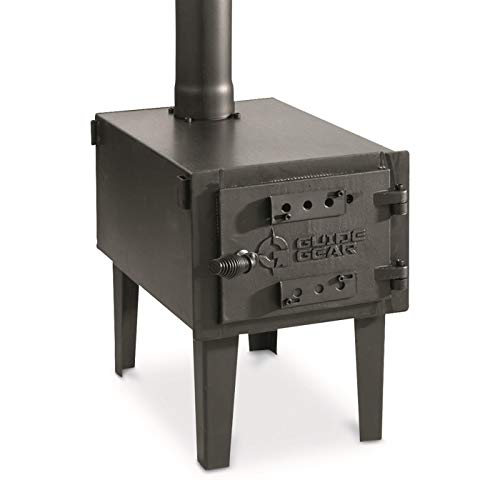
Wood Burning Stove with Stone Surround
Discover how to combine the rustic warmth of a wood burning stove with the timeless beauty of a stone surround. This complete guide covers stone types, sizing, efficiency, installation, and maintenance to help you create the perfect hearth for your home.
START READINGWhy Choose a Wood Burning Stove with Stone Surround? A wood burning stove paired with a stone surround creates a focal point that is both functional and beautiful. Stone adds thermal mass, radiating heat long after the fire dies down, while the stove provides efficient, cozy warmth. Whether you prefer a rustic fieldstone look, sleek soapstone, or dramatic slate, the right combination can transform your living space. This guide will walk you through every decision, from choosing the stone to sizing the stove and planning installation.
Why Pair a Wood Stove with a Stone Surround?
A stone surround is more than just a decorative element. It serves several practical and aesthetic purposes that enhance both the performance and the look of your wood burning stove. Understanding these benefits will help you appreciate the value of this combination and make more informed choices.
- Thermal Mass: Stone absorbs heat during the fire and releases it slowly, keeping your room warmer for longer. This is especially beneficial for wood burning fireplaces in mobile homes or smaller spaces.
- Heat Protection: A stone surround acts as a non-combustible barrier, protecting walls and floors from the intense heat of the stove. This is crucial for safe installation of a wood burning stove in a fireplace.
- Aesthetic Appeal: Stone brings natural texture and color, complementing both traditional and modern interiors. It can be the defining feature of your living room with stone fireplace decor.
- Durability: Stone is incredibly durable and can last for generations, making it a wise long-term investment for your home.
- Increased Home Value: A well-designed stone surround can boost your property's appeal, as discussed in our guide on how a fireplace adds value to your home.
Types of Stone for Your Wood Stove Surround
The type of stone you choose will dramatically affect the look, feel, and even the performance of your hearth. Each stone has unique characteristics in terms of heat retention, maintenance, and style. Here are the most popular options:
| Stone Type | Heat Retention | Maintenance | Best For | Market Tier |
|---|---|---|---|---|
| Soapstone | Excellent | Low (occasional oiling) | High-efficiency heating, modern & traditional | Premium |
| Granite | Good | Low (sealing every few years) | Durable, scratch-resistant surfaces | Mid-Range |
| Slate | Moderate | Low (occasional sealing) | Contemporary, sleek designs | Mid-Range |
| Limestone | Moderate | Moderate (sealing, gentle cleaning) | Elegant, light-colored surrounds | Mid-Range |
| Fieldstone | Good | Moderate (mortar repair) | Rustic, cottage, farmhouse styles | Entry-Level |
| Marble | Low | Moderate (staining, etching) | Luxurious, formal interiors | Luxury |
| Travertine | Moderate | Moderate (sealing, filling) | Warm, earthy, Mediterranean styles | Mid-Range |
For a deeper dive into maintaining these surfaces, see our guide on how to clean fireplace brick and stone. If you're considering a DIY approach, our article on DIY fireplace tile offers valuable tips.
Choosing the Right Wood Burning Stove
The stove itself is the heart of your heating system. Selecting the right one ensures efficiency, safety, and satisfaction. Here are the key factors to consider:
Heating Capacity and BTU
Matching the stove's output to your room size is critical. A stove that's too small won't heat adequately, while one that's too large will burn inefficiently and may overheat the space. Use our BTU guide to calculate your needs, or refer to our fireplace sizing guide for a step-by-step approach.
Efficiency Ratings
Modern wood stoves are significantly more efficient than older models. Look for stoves with high efficiency ratings (often expressed as a percentage) to maximize heat output and minimize wood consumption. Our article on most energy-efficient fireplace types provides a helpful comparison.
Material and Construction
Cast iron and steel are the most common materials. Cast iron retains heat longer, while steel heats up faster. Soapstone stoves offer excellent heat retention and a unique look. For a stove that mimics the look of a traditional fireplace, consider a wood stove that looks like a fireplace.
Venting and Installation
Proper venting is essential for safety and performance. You'll need a chimney or a direct vent system. If you're installing into an existing fireplace, our guide on installing a wood burning stove insert is a must-read. For a comprehensive overview, see our fireplace installation guide.
Designing Your Stone Surround
The design of your stone surround is where creativity meets function. Consider these design elements to create a cohesive and stunning look:
Popular Stone Surround Styles
- Full Stone Wall: Floor-to-ceiling stone creates a dramatic, rustic focal point.
- Stone Hearth Only: A stone base (hearth) with a simple wall behind offers a clean, modern look.
- Stone Alcove: A recessed stone niche for the stove adds depth and architectural interest.
- Stone Accent Panel: A stone panel directly behind the stove provides protection and visual appeal.
- Corner Installation: A stone surround in a corner saves space and adds character, as seen in living room design ideas with corner fireplace.
Key Design Considerations
- Clearance: Always maintain the stove manufacturer's required clearances to combustible materials. Stone can reduce these clearances when properly installed.
- Proportion: The surround should be proportional to the stove and the room. A massive stone wall can overwhelm a small stove.
- Color Palette: Choose stone colors that complement your room's decor. Warm tones (browns, tans) for cozy spaces; cool tones (grays, blues) for modern interiors.
- Texture: Rough, natural stone adds rustic charm; polished stone offers elegance.
- Mantel: Adding a fireplace mantel or hand-carved fireplace mantel can enhance the design and provide a display area.
Installation Basics for Your Stone Surround
Installing a wood burning stove with a stone surround is a project that requires careful planning and, often, professional help. Here's what you need to know:
- Permits and Codes: Check local building codes and obtain necessary permits. Our guide on fireplace permit requirements can help you understand the process.
- Hearth Requirements: A non-combustible hearth is required beneath and in front of the stove. Stone is an excellent choice for this. Learn more about fireplace hearth ideas.
- Wall Protection: If the stove is close to a wall, a stone surround or heat shield is necessary. The ventilation requirements guide provides essential details.
- Chimney and Venting: A proper chimney or vent system is crucial. For wood stoves, a stainless steel chimney liner is often recommended. If you're replacing an old fireplace, see our guide on replacing a wood burning fireplace with electric for alternative options.
- Professional vs. DIY: While some aspects can be DIY, complex installations are best left to professionals. Our article on DIY vs professional fireplace installation can help you decide. For cost considerations, see fireplace cost breakdown and wood burning fireplace insert installation cost.
Maintenance and Care
To keep your wood burning stove and stone surround looking and performing their best, regular maintenance is essential. Here are key tasks:
- Ash Removal: Regularly remove ash to maintain airflow. Our ash removal and disposal guide provides safe practices.
- Chimney Cleaning: Schedule annual chimney cleaning to prevent creosote buildup. See our chimney cleaning guide and creosote buildup prevention tips.
- Stone Cleaning: Clean stone with a mild cleaner and soft brush. For specific advice, see clean fireplace brick and stone.
- Glass Cleaning: Keep the stove glass clear for enjoying the fire. Our guide on how to clean fireplace glass is helpful.
- Seasonal Maintenance: Follow a seasonal fireplace checklist and prepare for winter with our winter fireplace preparation guide.
- Professional Inspections: Schedule annual inspections. Learn about annual fireplace inspection and how often to service a fireplace.
Troubleshooting Common Issues
Even with proper maintenance, you may encounter issues. Here are some common problems and their solutions:
- Smoke Coming Into the Room: This could be due to a blocked chimney, negative pressure, or improper draft. See our fireplace smoke problem and wood fireplace draft problem guides.
- Too Much Smoke: Often caused by wet wood or insufficient air supply. Learn more in too much smoke from wood fireplace.
- Stove Not Heating: Check for blockages, proper fuel, and air intake. Our fireplace troubleshooting hub covers many issues.
- Creosote Buildup: A serious issue that requires immediate attention. See creosote buildup prevention.
- Damper Issues: A stuck damper can affect performance. See fireplace damper stuck for fixes.
Frequently Asked Questions
Can I install a wood burning stove with a stone surround myself?
Some aspects, like building a stone hearth, can be DIY-friendly, but installing the stove and venting system often requires professional expertise for safety and code compliance. Always check local regulations and consider hiring a certified installer.
What is the best stone for a wood stove surround?
Soapstone is excellent for heat retention, granite for durability, and slate for a modern look. The "best" stone depends on your design preferences, heating needs, and maintenance willingness. Soapstone and granite are top-tier choices for performance.
Do I need a chimney for a wood burning stove?
Yes, wood burning stoves require proper venting, typically through a chimney or a direct vent system. See our guide on do fireplaces need a chimney for more details.
How much clearance does a wood stove need from a stone wall?
Clearance requirements vary by stove model. Always follow the manufacturer's instructions. Stone surrounds can often reduce clearances when installed with proper air gaps and non-combustible materials. Consult a professional for your specific setup.
Can a wood burning stove heat an entire house?
It depends on the stove's size, the home's layout, and insulation. A properly sized stove can heat a large area, but distributing heat throughout a whole house may require a blower or ductwork. See can a fireplace heat an entire house.
How often should I clean my wood stove and stone surround?
Ash should be removed regularly (e.g., weekly during heavy use). The chimney should be cleaned annually. Stone should be dusted and cleaned as needed, typically a few times a year. See our fireplace maintenance schedule.
Ready to Find Your Perfect Wood Stove with Stone Surround?
Explore our recommended products below to find the ideal combination of efficiency, style, and value for your home.
VIEW RECOMMENDATIONS