Hand Carved Fireplace Mantels for Sale: A Complete Buying Guide
Elevate your fireplace from a heat source to a stunning focal point. Discover the craftsmanship, styles, and essential considerations for choosing the perfect hand carved mantel for your home.
Explore Recommended MantelsA fireplace is more than just a source of warmth; it's the heart of a living space, a gathering point that defines the character of a room. While the firebox and surround are functional, the mantel is the crowning jewel, the piece that ties the entire design together. For those seeking to infuse their home with unparalleled artistry and timeless elegance, hand carved fireplace mantels for sale offer a level of detail and soul that mass-produced pieces simply cannot match.
This guide is designed for the discerning homeowner who has decided to invest in a hand-carved piece but needs clarity on the details. We will walk you through the essential factors—from wood selection and carving styles to sizing and finish—to empower you to make a confident and informed purchase. By the end, you'll be ready to select a mantel that not only complements your home's architecture but also becomes a cherished heirloom for generations.
Why Choose Hand Carved? A hand carved mantel is a unique work of art. Unlike machine-routed designs, each piece carries the subtle, individual marks of the artisan, ensuring that your mantel is truly one-of-a-kind. It represents a commitment to quality and craftsmanship that adds tangible and intangible value to your home.
The Art and Value of a Hand Carved Mantel
The allure of a hand carved mantel lies in its authenticity. Skilled artisans use traditional tools—chisels, gouges, and mallets—to sculpt intricate patterns and motifs from solid wood. This process is labor-intensive and requires years of practice, resulting in a level of depth, texture, and precision that automated machinery cannot replicate.
Investing in such a piece is a decision for longevity. It's not just a purchase; it's an acquisition of art. A well-crafted mantel can define the style of an entire room, whether you're aiming for a grand, traditional look or a more understated, rustic feel. The added value to your home is significant, as a custom or high-end mantel is a feature that potential buyers recognize and appreciate. This is a key point discussed in our guide on whether a fireplace adds value to your home, where unique, high-quality features are shown to be a major selling point.
Choosing the Right Wood for Your Carved Mantel
The type of wood used is fundamental to the final look, feel, and durability of your mantel. Each species has its own unique grain pattern, color, and hardness, which influences how it accepts carving and finish. The choice often depends on the overall design aesthetic you wish to achieve.
- Oak: A classic choice, known for its strength and prominent, beautiful grain. It is a dense hardwood that holds intricate details well, making it ideal for traditional, robust designs. Its natural color ranges from light tan to deep brown.
- Mahogany: A premium, luxury-tier wood prized for its rich, reddish-brown color and fine, uniform grain. It is exceptionally durable and carves cleanly, allowing for very fine, delicate details. Mahogany is often associated with formal, elegant interiors.
- Walnut: A high-end wood with a dark, chocolate-brown hue and a straight, sometimes wavy, grain. It is strong, stable, and takes a beautiful polish. Walnut is a popular choice for both traditional and contemporary high-end designs.
- Cherry: A mid-to-high-tier hardwood known for its smooth grain and warm, reddish-brown color that deepens beautifully with age and exposure to light. It is slightly softer than oak or mahogany, making it easier to carve, but still very durable.
- Pine or Poplar: These are softer woods, often used for entry-level or painted mantels. While they can be carved, they are less suited for highly intricate, deep-relief designs and are more prone to dents. They are a budget-friendly option if the mantel will be painted.
When considering a mantel, think about how its material will interact with the rest of your room's design. For instance, a dark walnut mantel would pair beautifully with a wood burning stove with a stone surround, creating a rich, textural contrast.
Exploring Carving Styles and Motifs
The carving style is what gives a mantel its personality. The motifs you choose should harmonize with your home's architectural style and your personal taste.
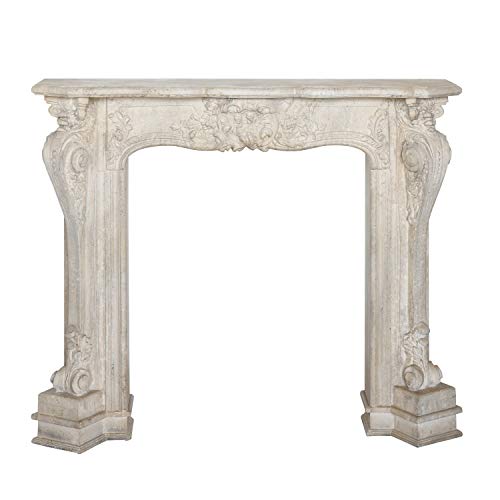
- Traditional and Ornate: These designs often feature elaborate scrollwork, floral motifs (like acanthus leaves), and intricate moldings. They are perfect for period homes, Victorian-style interiors, or anyone who loves classic grandeur.
- Rustic and Natural: This style embraces the natural beauty of the wood. Carvings might be simpler, featuring live-edge details, geometric patterns, or subtle leaf and vine motifs. A rustic mantel is a natural fit for a rock fireplace or a cabin-style home.
- Mission or Craftsman: Characterized by clean, strong lines, geometric shapes, and a focus on the natural beauty of the wood (often quarter-sawn oak). The carving is typically minimal, emphasizing fine joinery over ornamentation. If this style appeals to you, you might also appreciate mission style fireplace mantels and surrounds.
- Contemporary: Modern hand-carved mantels might feature subtle, abstract textures or minimalist, flowing lines. The focus is on form and the quality of the material rather than elaborate ornamentation.
Essential Sizing and Installation Considerations
A beautiful mantel that is the wrong size can throw off the proportions of an entire room. Getting the measurements right is crucial.
First, consider the size of your fireplace opening. The mantel should be wider than the firebox and surround to create a proper visual balance. A general rule is that the mantel should extend at least 3 to 6 inches on either side of the surround. For a more detailed look at proportions, our guide on matching fireplace proportions to room shape is an invaluable resource.
Installation is another critical factor. Hand carved mantels are often heavy and require secure mounting to a solid wall or a properly framed structure. While some are designed to be decorative and simply sit against the wall, most are either bolted to the wall or are part of a larger mantel and surround system. If you are considering a full surround, a surround designed for gas fireplaces might be a necessary component for safety and building code compliance. It's always wise to consult a professional installer if you are unsure about the structural requirements. For those tackling a renovation, understanding the DIY vs professional installation trade-offs is essential.
Finish and Maintenance for Longevity
The finish on your mantel protects the wood and enhances its natural beauty. Common finishes include:
- Stain and Lacquer: This is the most common finish for furniture and mantels. Stains alter the color of the wood, while lacquer provides a durable, protective topcoat. You can choose from a matte, satin, or high-gloss sheen.
- Oiled Finish: A penetrating oil, like tung or linseed oil, soaks into the wood, nourishing it from within and creating a very natural, low-sheen look. It requires more frequent reapplication but is easy to repair.
- Painted Finish: If you prefer a solid color, a painted finish can be applied. This is often done on more budget-friendly woods like pine or poplar. A painted mantel can be a great choice for a DIY fireplace makeover.
Maintenance for a hand carved mantel is relatively simple. Regular dusting with a soft cloth is usually sufficient. For a deeper clean, use a damp cloth and a mild wood soap, being careful not to saturate the wood. Avoid harsh chemical cleaners that can damage the finish. For more comprehensive advice on maintaining your fireplace, see our fireplace maintenance guide.
Making Your Final Decision
When you are searching for hand carved fireplace mantels for sale, you'll encounter a range of options, from entry-level pieces with simpler carvings to luxury, bespoke creations. The key is to balance your aesthetic desires with your practical needs and structural constraints.
Consider the overall theme of your room. A meticulously carved, ornate mantel is a statement piece, while a cleaner, more subtle design might be better suited for a minimalist fireplace design. Don't be afraid to mix styles—a rustic mantel can look stunning in a modern room, adding a touch of warmth and texture.
Finally, always prioritize quality craftsmanship. Look for clean cuts, smooth finishes, and a solid feel. A hand carved mantel is an investment in your home's beauty and character, and with proper care, it will remain a focal point for decades.
Frequently Asked Questions
How do I measure for a new fireplace mantel?
Measure the width of your fireplace surround at its widest point, and the height from the floor to the top of the surround. Your new mantel should be wider than the surround by at least a few inches on each side. The height can vary, but a common rule is that the mantel shelf should be about 4 to 5 feet above the floor, or at a comfortable height for display. For precise calculations, consult a professional or use our fireplace sizing worksheet.
What is the difference between a mantel and a surround?
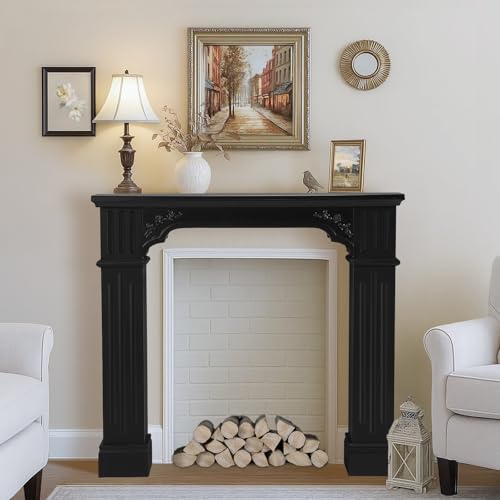
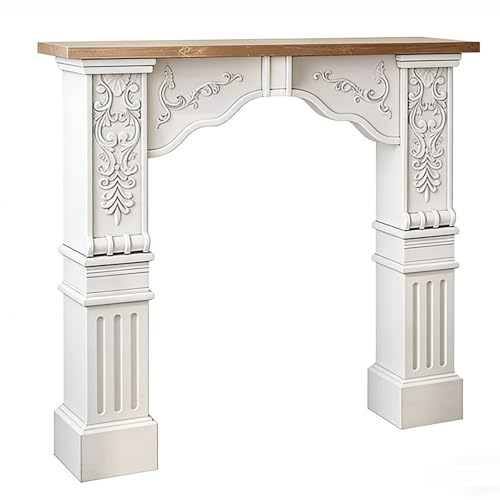
A fireplace surround is the decorative framework that immediately surrounds the firebox, which can be made of stone, tile, or wood. The mantel is the shelf-like structure above the fireplace. A "mantel" can refer to just the top shelf or a complete unit that includes the legs and the shelf. A full unit is often called a mantel and surround. For more details on surrounds, see our page on fireplace surround ideas.
Can I install a wood mantel above a gas fireplace?
Yes, you can, but you must adhere to strict clearance requirements. Building codes specify the minimum distance a combustible material (like wood) must be from the heat source. This information is typically found in the fireplace's installation manual. Many modern gas fireplaces have a built-in cooling system or a specific clearance-to-combustibles rating. It is crucial to follow these guidelines to prevent a fire hazard. You may need to use a non-combustible surround for the immediate area and mount the wood mantel above the required clearance zone.
How do I care for a hand carved wood mantel?
To preserve the beauty of your hand carved mantel, dust it regularly with a soft, dry cloth to prevent dust buildup in the crevices. For a more thorough cleaning, use a slightly damp cloth with a mild soap made for wood, then dry immediately. Avoid abrasive cleaners or excessive moisture. Periodically, depending on the finish, you may need to apply a wood conditioner or polish to keep the wood from drying out.
Are hand carved mantels worth the investment?
For many homeowners, yes. A hand carved mantel is a piece of art that adds unique character, warmth, and a sense of history to a home. Unlike veneered particle board, a solid wood, hand-carved piece is durable and can last for generations. It can significantly enhance the aesthetic appeal of a room and add to the perceived value of a home. It's an investment in craftsmanship and lasting beauty.