Wood Burning Fireplace for Mobile Home: A Complete Guide
Discover how to safely and efficiently add the warmth and charm of a wood burning fireplace to your manufactured or mobile home.
Start Your ResearchCan You Really Install a Wood Stove in a Mobile Home?
The short answer is yes, you can. However, installing a wood burning fireplace or stove in a mobile or manufactured home is a different process than in a traditional site-built house. Mobile homes are constructed with specific materials and have unique structural and safety considerations. The key to a successful and safe installation lies in understanding these differences and choosing the right appliance and installation method.
This guide will walk you through everything you need to know, from choosing a fireplace that is certified for mobile home use to understanding the critical clearance and ventilation requirements. By the end, you'll have the confidence to make an informed decision that will keep your home warm, safe, and beautiful for years to come.
Why Choose a Wood Burning Fireplace for Your Mobile Home?
Despite the rise of modern heating options, a wood burning fireplace offers a unique set of benefits that appeal to many homeowners. For a mobile home, these advantages can be particularly impactful.
- Ambiance and Comfort: Nothing compares to the cozy, authentic crackle and radiant warmth of a real wood fire. It creates a welcoming focal point and a sense of traditional charm that is hard to replicate. If you love the look of a traditional fire, you might also appreciate the aesthetics of a wood stove that looks like a fireplace.
- Heating Independence: A wood stove can serve as a reliable secondary heat source, or even a primary one in smaller, well-insulated mobile homes. This can reduce reliance on central heating systems, potentially lowering energy bills. To understand the heating potential of different options, you can learn about the heating capacity and BTU guide.
- Off-Grid Capability: During power outages, a wood burning stove provides a dependable source of heat that doesn't rely on electricity or gas lines.
- Renewable Fuel: For many, wood is a renewable and sustainable fuel source, especially if you have access to a local, responsibly managed supply.
Important Note: While a wood fireplace can be a fantastic addition, it requires more work and maintenance than a gas or electric model. For those who prefer a more hands-off approach, exploring a comparison of different fireplace types can be very helpful.
Choosing the Right Type of Wood Fireplace
Not all wood burning appliances are created equal, and for mobile homes, one specific type stands out as the safest and most practical choice: the zero-clearance fireplace.
1. Zero-Clearance (Factory-Built) Wood Fireplaces
This is the most common and recommended option for mobile homes. A zero-clearance fireplace is a factory-built unit that is designed to be safely installed with minimal clearance to combustible materials (like the walls of your home). It consists of an insulated firebox and a dedicated venting system (a chimney pipe) that is also designed for close clearances.
- Safety: They are specifically engineered and tested (e.g., to UL 127 standards) for safe installation in a manufactured home, provided all manufacturer's instructions are followed. You can find models that are explicitly labeled as manufactured homes with wood burning fireplaces-ready.
- Efficiency: Modern zero-clearance units are highly efficient, often featuring catalytic combustors or advanced secondary burn systems that re-burn smoke and gases, providing more heat with less wood. This is a key feature of a high-efficiency zero-clearance wood burning fireplace.
- Installation: They are designed for a straightforward installation, often using a stainless steel chimney liner or a complete prefabricated chimney system that goes through the roof or wall.
2. Wood Stove with Mobile Home Kit
Free-standing wood stoves can also be installed in a mobile home, but they must be equipped with a specific "mobile home kit." This kit typically includes:
- An outside air intake to prevent the stove from drawing combustion air from inside the tightly sealed home.
- Specialized legs or a pedestal to secure the stove to the floor.
- A spark arrester for the chimney.
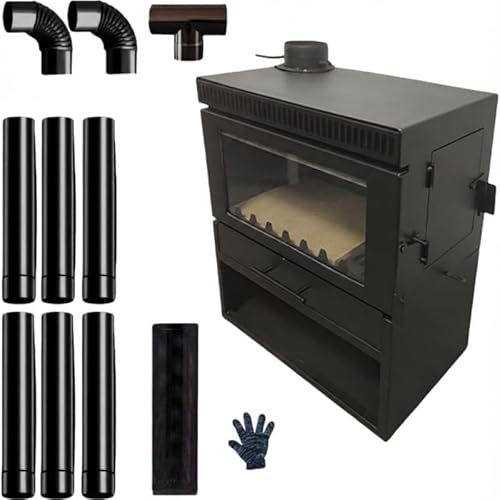
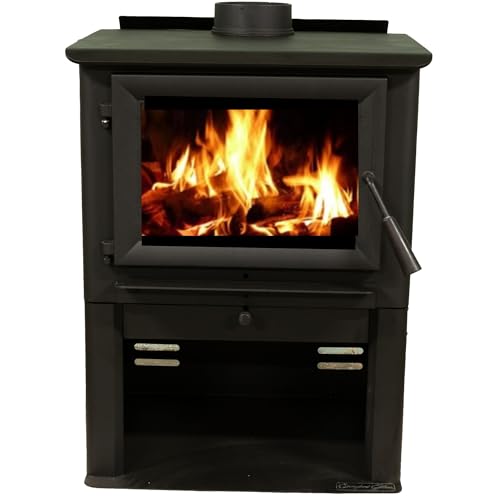
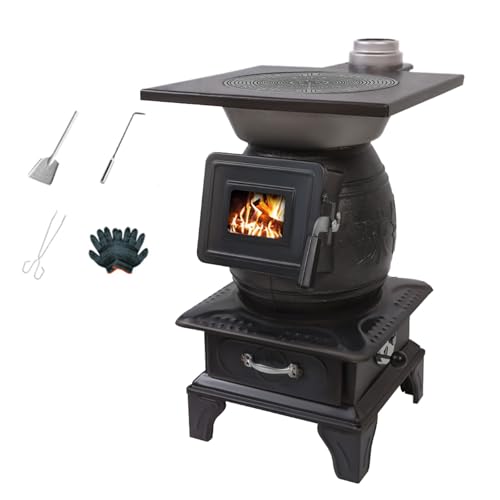
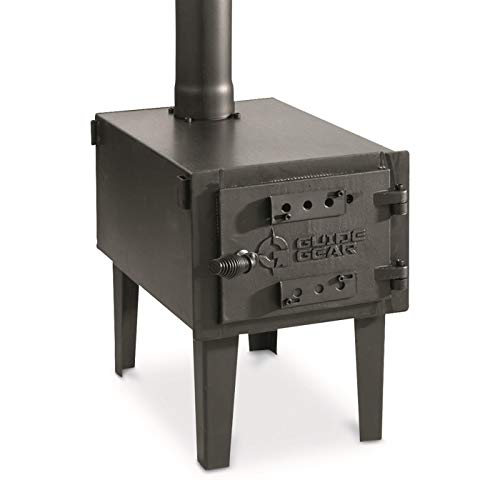
A freestanding stove can be a great option, especially if you're looking for a unit that can also serve as a cooking surface. You can find many models, including a freestanding wood burning fireplace with a blower to help circulate heat more effectively.
3. Wood Burning Inserts
A wood burning insert is designed to be placed inside an existing masonry fireplace. Since most mobile homes do not have a traditional masonry fireplace, this option is usually not applicable unless you are looking to convert an existing factory-built unit. In that case, you would need an insert specifically designed for that purpose, like a wood stove insert for a zero-clearance fireplace.
| Fireplace Type | Best For | Key Advantage | Key Consideration |
|---|---|---|---|
| Zero-Clearance Fireplace | New installations, a built-in look, maximizing space. | Engineered for safety and close clearance to combustibles. | Requires a dedicated, specific venting system. |
| Wood Stove | Flexible placement, heating larger areas, cooking. | High heat output, can be more efficient in some cases. | Requires a specific mobile home kit (outside air, securing). |
| Wood Insert | Upgrading an existing, compatible factory-built fireplace. | Can improve the efficiency of an older unit. | Not suitable for homes without a pre-existing fireplace. |
Critical Safety and Installation Requirements
This is the most important section of this guide. Installing a wood burning appliance incorrectly in a mobile home can be extremely dangerous. Always prioritize safety over aesthetics or convenience.
- Look for the "Listed" Label: The appliance must be tested and listed by a recognized agency (like UL, Intertek, or CSA) specifically for use in a mobile home. The label will state this. Do not install a stove that is not explicitly approved for this purpose.
- Outside Air Intake is Mandatory: Mobile homes are built to be very airtight. A wood stove needs a dedicated source of outside air for combustion to prevent backdrafting and smoke spillage. The mobile home kit will include this.
- Clearances are Non-Negotiable: You must strictly adhere to the manufacturer's specified clearances to walls, floors, and ceilings. This often requires the use of approved heat shields and floor protection. Understanding these requirements is a key part of the fireplace installation guide overview.
- Chimney System: You must use a chimney system that is also approved for mobile home use. This usually means a double or triple-wall insulated stainless steel stove pipe that maintains proper clearance from combustible materials.
- Professional Installation: Due to the complex safety requirements, professional installation by a certified technician is highly recommended. They can ensure the unit is installed to code and that your insurance policy remains valid. You can explore the pros and cons of DIY vs. professional installation.
Consult Your Insurance Company: Before you buy, contact your homeowner's insurance provider. Some companies may have specific requirements or may not cover homes with solid-fuel-burning appliances. It's better to know this upfront.
Maintenance and Efficiency Tips
To ensure your wood fireplace operates safely and efficiently for years, regular maintenance is key. This not only keeps it running well but also prevents dangerous issues like creosote buildup.
- Annual Inspection: Have your chimney and fireplace inspected by a certified chimney sweep at least once a year. They will check for creosote buildup, blockages, and structural damage. Learn more in our annual fireplace inspection guide.
- Burn Seasoned Wood: Always burn dry, seasoned hardwood. Green or wet wood produces more smoke and creosote, which is a leading cause of chimney fires. Understanding creosote buildup prevention is essential.
- Clean the Firebox: Regularly remove ashes. You can learn the proper techniques in our ash removal and disposal guide.
- Use a Blower: If your fireplace is equipped with a blower, using it can significantly improve heat distribution throughout your home. If you're having issues, our guide on what to do when your fireplace blower fan is not working can help.
- Follow a Schedule: Adhering to a routine monthly and yearly maintenance schedule is the best way to stay on top of your fireplace's health.