
Wood Burning Stove Inserts for Prefab Fireplaces
A complete guide to transforming your prefabricated fireplace into an efficient, high-performance wood-burning heat source.
Start LearningCan You Put a Wood Burning Stove Insert in a Prefab Fireplace?
If you have a prefabricated (prefab) or zero-clearance fireplace, you likely enjoy the ambiance of a fire but may be frustrated by its inefficiency. These factory-built fireplaces are common in modern homes but are notorious for sending most of their heat up the chimney. The good news is that you can dramatically improve their performance. Installing a wood burning stove insert for prefab fireplaces is an excellent way to convert a drafty, decorative fireplace into a powerful heating appliance.
However, this is not a one-size-fits-all project. Prefab fireplaces are built to specific tolerances and cannot be modified like traditional masonry fireplaces. This guide will walk you through the essential considerations—from safety and sizing to efficiency and installation—to help you make an informed decision. Before diving in, it's wise to review our fireplace buying guide for a broader overview of the market.
Why Install an Insert? The Benefits of Upgrading
Adding an insert is one of the most impactful upgrades you can make for your home's heating. Here’s why homeowners choose this path:
- Massive Efficiency Gains: An open, prefab fireplace is typically only 10-20% efficient. A modern, EPA-certified wood stove insert can operate at 70-80% efficiency, meaning you get far more heat from the same amount of wood.
- Reduced Wood Consumption: Because the unit is more efficient, you will burn significantly less firewood to heat the same space.
- Lower Emissions: Newer inserts are designed to burn cleaner, significantly reducing the smoke and particulate emissions compared to an open fireplace.
- Enhanced Safety: An insert with a glass door and a closed combustion system keeps sparks and embers contained, making it a safer option for your home. You can learn more in our guide on how to prevent embers escaping.
- Improved Aesthetics: An insert instantly updates the look of an outdated or plain prefab fireplace, providing a beautiful focal point with a large fire-viewing area. For inspiration, see our collection of wood burning fireplace inserts with large viewing areas.
Key Takeaway
The primary motivation is to turn a decorative "ambiance-only" fireplace into a functional heater that can warm a significant portion of your home, reducing reliance on your central heating system.
The Critical Question: Is Your Prefab Fireplace Compatible?
Before you shop for an insert, you must determine if your prefab fireplace is a suitable candidate. Unlike a masonry fireplace, you cannot simply knock out parts of a prefab unit to make something fit. Here are the rules of engagement:
1. Zero-Clearance vs. Other Prefab Types
The term "prefab" is broad. The most common type is a "zero-clearance" fireplace, which is factory-built with a steel firebox, a metal chimney, and insulation that allows it to be installed directly against combustible materials (hence "zero clearance"). These are sometimes suitable for insert installation, but only if they are explicitly approved for it.
Some older or lower-tier prefab models are not designed to handle the weight, intense heat, or the required venting of a solid-fuel insert. Always consult the manufacturer's manual. If you're exploring a broader range of options, our article on the types of fireplaces explained can provide useful context.
2. The UL 127 Listing
Look for a metal data plate on your fireplace. Most prefab fireplaces are tested and listed to UL 127 (Standard for Factory-Built Fireplaces). This listing is crucial. An insert must be tested and listed with the specific model of prefab fireplace for the installation to be code-compliant. Many high-efficiency inserts are tested to UL 1482 (solid fuel room heaters) and may be approved for installation in a UL 127 prefab fireplace, but only when a listed "positive connection" or a full relined chimney system is used. This brings us to the next critical point.
This is a complex area. If your goal is to increase heat output, exploring options like a high-efficiency zero clearance wood burning fireplace as a full replacement might be a more viable path.
Sizing Your Insert: Getting the Right Fit
An insert that doesn't fit is a very expensive mistake. Accurate measurements are non-negotiable. You'll need to measure:
- Firebox Opening (Front): Measure the width and height of the opening at the front.
- Firebox Depth: Measure from the front opening to the back wall.
- Firebox (Back): Measure the width and height at the back of the firebox, as many inserts taper.
- Hearth Dimensions: Ensure your existing hearth meets the insert's requirements for ember protection. You may need to extend it.
Beyond physical fit, you need to consider the heating capacity. An insert that is too large will overheat your space and burn inefficiently, while one that is too small won't provide enough heat. Use our guide on how to size a fireplace and our BTU guide to match a unit to your square footage and climate. This is a crucial step that is often overlooked, and it can be the difference between a successful and an unsuccessful installation.
The Venting System: A Full Reline is Non-Negotiable
You cannot simply slide an insert into a prefab firebox and use the existing chimney. The existing prefab chimney is designed for an open fireplace and is often too large for the efficient, lower-flue-gas-temperature operation of a modern insert. Using it would lead to poor draft, rapid creosote buildup, and potential chimney fires.
The solution is a full stainless steel chimney liner. This involves running a correctly sized, insulated stainless steel flex pipe from the insert's flue collar all the way to the top of the chimney. This liner creates the proper draft for the insert and is essential for safety and performance. You can find the right components by looking at options like a stainless steel chimney liner for wood stove.
This is a job for a professional. Improper venting is the leading cause of fireplace-related house fires. Our article on chimneys and vents explains the fundamentals, but for this application, you need a certified specialist.
Installation: Why DIY is Not Recommended
While many home projects are DIY-friendly, installing a wood insert into a prefab fireplace is not one of them. The process involves:
- Removing the existing gas log set, grate, and damper.
- Running a full-length, insulated chimney liner.
- Connecting the liner to the insert.
- Positioning the insert and connecting it to the liner.
- Ensuring all clearances to combustibles are met.
- Complying with local building codes and permitting.
Attempting this without proper training is dangerous and can void your homeowner's insurance. We strongly advise hiring a certified chimney sweep or a licensed professional. You can learn more about this in our guide on DIY vs. professional fireplace installation. A professional will also know about the specific code requirements for your area, which is far more reliable than trying to figure out if you need a permit for a fireplace installation on your own.
When you're ready to get quotes, it's helpful to know what to look for. Finding a company that specializes in wood burning stove sales and installation near me is the first step. They can assess your prefab fireplace and tell you what's possible. They'll also be familiar with options like wood burning fireplace insert installation near me, ensuring the job is done right.
Recommended Wood Burning Stove Inserts for Prefab Fireplaces
⚠️ AFFILIATE DISCLOSURE: This website contains affiliate links. As an Amazon Associate, we earn from qualifying purchases. If you make a purchase through these links, we may receive a small commission at no additional cost to you. Read our full affiliate policy.
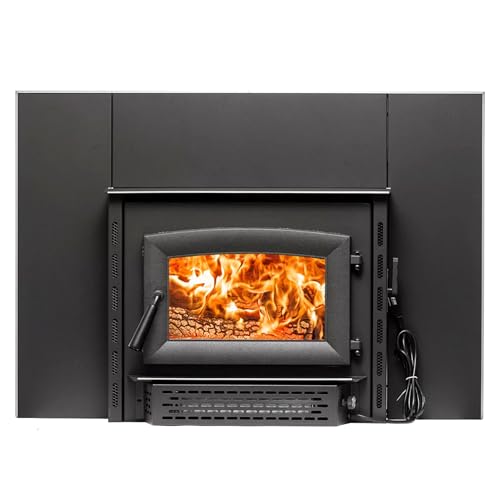
US Stove US1800E 1,200 sqft Wood Fireplace Insert | Freight Shipping Required
Check price on Amazon
Comfort Glow Wood Fireplace Insert, Indoor Wood Stove - CGWI1800 | Indoor Wood Stove Insert, Fits 18" Logs, Heats Up To 1,200 Sq Ft, Blower & Face Plate, Heavy-Duty Steel, 100 CFM Blower
Check price on Amazon
Sasylvia 4 Pcs Fireplace Refractory Panels 11.75 x 21 x 0.5 Inches Baffle Board for Wood Stove 2300F Vermiculite Fiber Insulation Board Fireplace Replacement Parts for Hearth Forges Kilns
Check price on Amazon
High-Temperature Pyroceram Ceramic Glass 6.5” x 9”, 1380°F Rated, 3/16" Thick Wood Stove Replacement Panel for Fireplace Inserts, Pellet Stoves, and Wood Burning Stove Doors
Check price on Amazon
Ashley Hearth AW2020-P 2,000 sqft Wood Stove with Legs and Pedestal | Freight Shipping Required
Check price on Amazon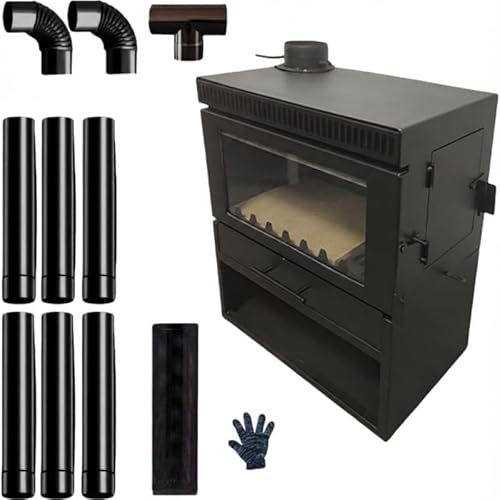
Cast Iron Wood Burning Stove Fireplace, Secondary Combustion Clean Burn System, Large Viewing Glass, Dual Loading Doors, Airwash Technology, Flue Damper & Log Rack
Check price on Amazon
HiFlame Fireplace Log Grate Heavy Duty Solid Steel Wood Burning Fire Place Wood Stove Firewood Holder
Check price on Amazon
TWS 10 Compressed Hardwood Fuel Blocks 10-Pack - 100% Natural Sawdust Fire Logs, Long Burn High Heat, Low Ash Eco-Friendly for Fireplace Wood Stove Fire Pit (10 Blocks)
Check price on AmazonChoosing the Right Wood Stove Insert
Once you know your prefab fireplace is compatible and you're committed to professional installation, you can focus on the features that matter most:
Efficiency & Emissions (EPA Certification)
Always look for an EPA-certified insert. The certification provides a reliable measure of its efficiency and emissions. Catalytic and non-catalytic are the two main combustion technologies. Non-catalytic models are generally simpler to operate, while catalytic models can offer higher efficiency at lower burn rates. A high-efficiency unit is essential to maximize your investment. You can compare this technology with other fireplace types in our article on the most energy efficient fireplace types.
Features to Look For
- Blower: A blower is essential for an insert. It circulates air around the hot firebox and pushes warm air into the room. Most high-quality inserts come with a thermostatically controlled blower. You can learn more about this feature in our fireplace blower fan guide.
- Glass Door: A large, air-washed ceramic glass door provides a beautiful view of the fire and keeps the burn chamber sealed. For a different aesthetic, some like wood burning fireplace glass doors with a blower.
- Firebox Size: Larger fireboxes accommodate longer logs and require less frequent refueling, but they also take up more space.
- Aesthetic: Choose a style that complements your home. From traditional to modern, there are many designs available.
For those who need to heat a very large space, a high-efficiency unit is critical. For a detailed comparison, see our guide to high-efficiency wood burning fireplace inserts.
Alternatives and Ongoing Maintenance
What If a Wood Insert Isn't an Option?
If your prefab fireplace is not compatible with a wood insert, you have other choices. A gas fireplace insert with a blower and remote control can be an excellent alternative, offering convenient, low-maintenance heat. Another option is an electric fireplace insert to replace a wood burning unit, which provides ambiance and some heat with zero venting requirements.
Maintenance is Key
Like any wood-burning appliance, an insert requires regular maintenance. This includes:
- Annual Inspection: Have your chimney and insert inspected by a certified professional every year. Our guide on the annual fireplace inspection guide covers what to expect.
- Chimney Cleaning: Creosote is a natural byproduct of burning wood and must be removed. Learn about this in our chimney cleaning guide and our article on creosote buildup prevention.
- Ash Removal: Dispose of ashes safely and regularly. See our ash removal and disposal guide.
- Glass Cleaning: Keep the glass door clean for optimal viewing. We have a guide on how to clean fireplace glass.
For a complete seasonal checklist, refer to our fireplace maintenance and seasonal fireplace checklist. Proper care will ensure your insert operates safely and efficiently for many years, protecting your investment.
Frequently Asked Questions (FAQ)
Can you put a wood stove insert in a prefabricated fireplace?
Sometimes. It's possible only if the prefab fireplace is specifically listed and approved for use with a solid-fuel insert, and only when a full, insulated stainless steel chimney liner is installed. You must check your fireplace's data plate and manual, and always consult with a certified professional.
How much does it cost to install a wood burning insert?
The total cost involves the insert itself, the stainless steel chimney liner, and professional labor. The liner is often a significant portion of the project. For a detailed breakdown of the components, you can research installation costs, but always get a firm quote from a local professional.
Is it worth converting a prefab fireplace to a wood burning insert?
Yes, if your goal is to turn it into an efficient heat source. The efficiency gain from 10-20% to 70-80% is substantial, often paying for itself over time through reduced heating costs and wood consumption. It also adds value and enjoyment to your home.
Do wood inserts need a chimney liner?
Yes, absolutely. A full-length, insulated stainless steel liner is required for safety, proper draft, and efficiency. Using the old, oversized prefab chimney without a liner is dangerous and will lead to poor performance and creosote buildup.