Wood Burning Fireplace Insert Installation Near Me
Your complete guide to finding local professionals, understanding the installation process, and making an informed decision for your home heating upgrade.
Find Local InstallersWhy Upgrade to a Wood Burning Insert? A modern wood burning fireplace insert can transform your existing open fireplace into a highly efficient heating source. Unlike traditional open fireplaces that lose up to 90% of their heat through the chimney, an insert can achieve efficiency ratings of 70% or higher, significantly reducing your heating costs and carbon footprint.
Understanding Wood Burning Fireplace Inserts
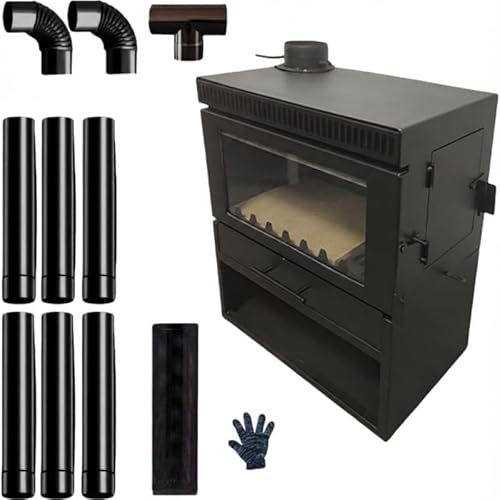
A wood burning fireplace insert is essentially a firebox that fits inside your existing masonry or prefabricated fireplace. It is designed to improve the efficiency of your fireplace by controlling the burn rate, directing heat into the room rather than up the chimney, and reducing the amount of air pollution produced.
Modern inserts are equipped with advanced combustion technologies such as catalytic converters or secondary burn tubes. These features allow the unit to re-burn smoke and gases that would otherwise escape, resulting in a cleaner, more efficient burn. When you search for wood burning fireplace insert installation near me, you are taking the first step toward a warmer, more energy-efficient home.
Before you begin your search, it's helpful to understand the different types of inserts available. You can learn more about the various options by reading our guide on types of fireplaces explained. Additionally, if you are comparing the efficiency of wood versus other fuel types, our article on most energy-efficient fireplace types provides valuable insights.
Why Professional Installation Matters
While some homeowners may consider a DIY approach, professional installation is crucial for safety, performance, and compliance with local building codes. An incorrectly installed insert can lead to dangerous chimney fires, carbon monoxide buildup, and poor heating performance.
Professional installers ensure that the insert is properly sized for your fireplace opening, that the chimney liner is correctly installed, and that all clearances to combustible materials are respected. They also handle the necessary permits and inspections, giving you peace of mind that your installation is safe and legal.
If you are interested in understanding the steps involved in a professional installation, our installation guide overview provides a detailed breakdown. For those who are considering a DIY route, it's important to weigh the pros and cons carefully. Our article on DIY vs professional fireplace installation can help you make an informed decision.
How to Find Local Installers Near You
🔍 Online Search Strategies
Use specific search terms like "wood burning fireplace insert installation near me" or "local chimney sweep and insert installer." Check Google Maps, Yelp, and Angi for reviews and ratings. Look for companies with a strong local presence and positive feedback from homeowners in your area.
🏆 Certifications to Look For
Prioritize installers certified by the Chimney Safety Institute of America (CSIA) or members of the National Chimney Sweep Guild (NCSG). These certifications indicate a commitment to industry standards and ongoing education. You can also ask if they are licensed and insured in your state.
📋 Request Detailed Quotes
Contact at least three local companies for quotes. A detailed quote should include the cost of the insert, the chimney liner, labor, permits, and any additional materials. Avoid quotes that are vague or significantly lower than others, as they may indicate subpar materials or workmanship.
💬 Ask for References
Ask for references from recent installations similar to yours. A reputable installer will be happy to provide them. If possible, visit a completed installation to see the quality of their work firsthand. You can also check online reviews for patterns of praise or complaints.
Pro Tip: When searching for "wood burning fireplace insert installation near me," don't just look for the cheapest option. The lowest quote may not include critical components like a full stainless steel chimney liner, which is essential for safety and performance. Always compare the scope of work, not just the bottom line.
What to Expect During the Installation Process
The installation of a wood burning fireplace insert typically takes one to two days, depending on the complexity of the job. Here is a general overview of the process:
- Inspection and Measurement: The installer will inspect your existing fireplace and chimney to ensure they are in good condition and suitable for an insert. They will measure the firebox and chimney to determine the correct size of the insert and liner.
- Chimney Liner Installation: A stainless steel liner is installed from the top of the chimney down to the insert. This liner is crucial for directing exhaust gases safely outside and protecting your chimney from heat and creosote.
- Insert Placement and Connection: The insert is positioned into the firebox and connected to the liner. The installer will ensure all connections are airtight and that the insert is level and secure.
- Surround and Trim Installation: A decorative surround and trim are attached to cover the gap between the insert and the fireplace opening, giving it a finished look.
- Testing and Demonstration: The installer will test the insert to ensure it is functioning correctly and provide you with a demonstration of how to operate it safely and efficiently.
For a more detailed look at the installation process, you can refer to our guide on wood burning fireplace insert installation cost, which also covers the factors that influence the overall project cost.
Permits and Regulations
Most municipalities require a permit for the installation of a wood burning fireplace insert. The permit ensures that the installation meets local building and fire codes, which are designed to protect your home and family. Your installer should be familiar with local regulations and can handle the permitting process for you.
It's also important to check if your area has restrictions on wood burning, especially in regions prone to air quality issues. Some areas may have "no-burn days" or require EPA-certified appliances. A professional installer will be able to advise you on any local regulations that may affect your project.
If you are unsure whether you need a permit, our article on fireplace permit requirements provides a helpful overview. Additionally, understanding the ventilation requirements for your new insert is essential for safe operation.
Factors That Influence Installation Cost
The total cost of installing a wood burning fireplace insert varies based on several factors. While we do not list specific prices, understanding these factors can help you budget appropriately:
- Type and Quality of the Insert: Entry-level models are more affordable, while high-end models with advanced features and larger heating capacities are a premium investment.
- Chimney Liner: The length and type of chimney liner required can significantly impact the cost. A full-height stainless steel liner is more expensive but necessary for safety and performance.
- Labor and Complexity: The complexity of the installation, such as the height of your chimney or the need for custom surround work, will affect labor costs.
- Permits and Inspections: Permit fees vary by location and are typically a small portion of the overall cost.
- Additional Components: Items like blowers, fresh air kits, and decorative surrounds add to the total cost but can enhance performance and aesthetics.
For a detailed breakdown of the costs involved, our article on fireplace cost breakdown is a valuable resource. You can also read about the hidden costs of owning a fireplace to avoid surprises down the line.
Maintaining Your New Wood Burning Insert
Once your insert is installed, regular maintenance is key to ensuring it operates safely and efficiently for years to come. Here are some essential maintenance tasks:
- Annual Inspection: Have your chimney and insert inspected annually by a certified professional. This is crucial for detecting creosote buildup, blockages, and other potential hazards.
- Chimney Cleaning: Depending on your usage, you may need to have your chimney cleaned one or more times per year. Our guide on chimney cleaning explains when and why this is necessary.
- Ash Removal: Regularly remove ashes from the firebox to maintain proper airflow. Always dispose of ashes safely in a metal container. Our ash removal and disposal guide provides detailed instructions.
- Glass Cleaning: Keep the glass door clean to enjoy the view of the fire. Use a specialized cleaner and avoid abrasive materials. Learn how in our article on how to clean fireplace glass.
- Seasonal Preparation: Before the heating season, perform a thorough check of your insert and chimney. Our winter fireplace preparation guide is a great checklist to follow.
By following a regular maintenance schedule, you can extend the lifespan of your insert and ensure it continues to provide efficient heat for your home. For a comprehensive maintenance plan, see our fireplace maintenance schedule.
Frequently Asked Questions
How do I find a qualified installer near me?
Search online for "wood burning fireplace insert installation near me" and check reviews on multiple platforms. Look for CSIA-certified chimney sweeps or NFI-certified installers. Always ask for references and proof of insurance.
Do I need a chimney liner for my insert?
Yes, almost all wood burning insert installations require a full-length stainless steel chimney liner. This liner is essential for safety, as it contains the exhaust gases and protects your chimney from heat and creosote. It also ensures optimal draft for efficient burning.
Can I install a wood burning insert myself?
While it is technically possible, we strongly advise against DIY installation. The risks of improper installation include chimney fires, carbon monoxide poisoning, and voiding your homeowner's insurance. Professional installation ensures the job is done safely and to code.
How long does installation take?
A typical installation takes one to two days. Factors such as the height of your chimney, the type of liner, and any custom surround work can affect the timeline.
Will a wood burning insert heat my entire house?
It depends on the size of your home and the heating capacity of the insert. A large insert can certainly supplement or even replace your primary heating system in many homes. To determine the right size for your space, use our heating capacity BTU guide.
Ready to Upgrade Your Fireplace?
Start your search for local professionals today and enjoy the warmth, efficiency, and beauty of a wood burning fireplace insert.
Find Local Installers