
High Efficiency Zero Clearance Wood Burning Fireplace: Complete Guide
Discover everything about zero clearance wood burning fireplaces: how they work, installation requirements, efficiency ratings, investment tiers, and which models offer the best value for your home.
SEE TOP RECOMMENDATIONS →What You'll Learn: This comprehensive guide covers zero clearance fireplace technology, efficiency ratings, installation requirements, investment tier breakdown, and maintenance tips. By the end, you'll have all the knowledge needed to choose the perfect high-efficiency wood burning fireplace for your home.
What Is a Zero Clearance Wood Burning Fireplace?
A zero clearance wood burning fireplace is a factory-built, prefabricated fireplace designed to be installed with minimal distance (typically 0 inches) from combustible materials like wood framing, drywall, and insulation. Unlike traditional masonry fireplaces that require thick brick or stone walls for heat protection, zero clearance units use advanced insulation and air-cooling technology to allow safe installation directly against standard building materials.
These fireplaces are often referred to as "prefab" or "factory-built" fireplaces. They come as complete systems including the firebox, chimney, and often a blower fan for heat circulation. High-efficiency models achieve EPA-certified efficiency ratings of 70% or higher, meaning most of the wood's energy is converted into usable heat for your home.
🔑 Key Distinction: Zero Clearance vs. Masonry
Zero clearance means the fireplace can be placed directly against wood studs, drywall, and other combustibles. This allows installation in almost any room without building a massive masonry structure. A traditional wood burning fireplace requires a masonry chimney and hearth, often requiring substantially more investment to build and limiting placement options.
Top High Efficiency Zero Clearance Wood Burning Fireplaces
⚠️ AFFILIATE DISCLOSURE: This website contains affiliate links. As an Amazon Associate, we earn from qualifying purchases. If you make a purchase through these links, we may receive a small commission at no additional cost to you. Read our full affiliate policy.
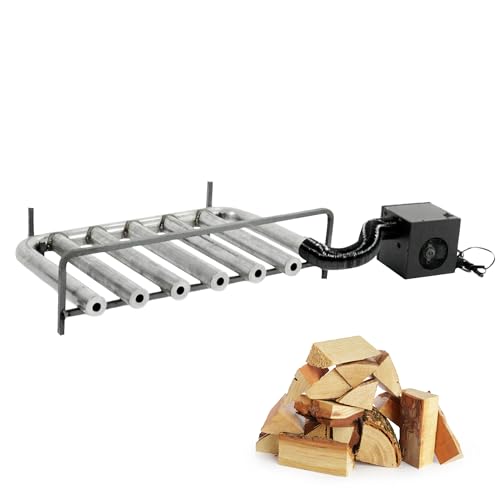
Woodeze Spitfire Fireplace Heater, 6-Tube Hearth Heater, 2-Speed Blower | Heavy-gauge Aluminized Steel Tubes Fit Small Wood Fireplaces, Delivers Up to 45,000 BTUs for Efficient Heat Circulation.
Check price on Amazon
OUOQNUE Wood Burning Stove, Indoor Freestanding Fireplace | Large View Fire Window, 6mm Thick Body, 3-Time Combustion System, Air Wash Glass, for Villa, Cafe, Hotel
Check price on Amazon
LifePlus Electric Fireplace Heater, Portable Wood Fireplace Stove with 3D Realistic Dancing Flame Effect, Tabletop Fireplace Space Heater Overheat Protection for Indoor Use Bedroom Office,1500W
Check price on Amazon
Endless Summer 45" Wood Burning Steel Outdoor Fireplace
Check price on Amazon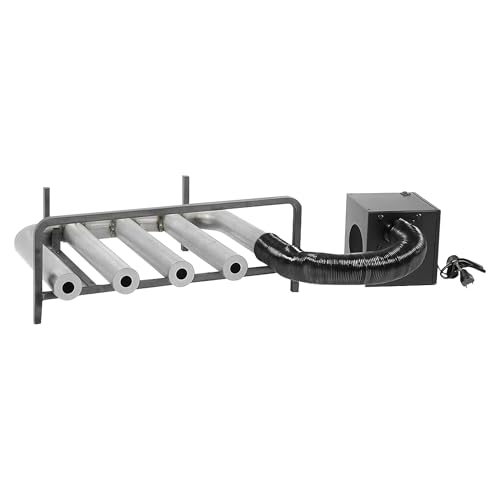
Woodeze Spitfire 4-Tube Fireplace Hearth Heater with 2-Speed Blower | Heavy-gauge Aluminized Steel Construction for Small Wood Fireplaces, 35,000 BTU Output.
Check price on Amazon
NORTHSKY 39" Farmhouse Electric Fireplace with Mantel, 23" Insert 9‑Color LED Crystal Flame Effect, Freestanding Curved Fluted Wood Fireplace Heater W/Storage&Remote Control for Living Room Bedroom
Check price on Amazon
Tomersun 8-Blade Wood Stove Fan, Heat Powered Fireplace Fan w/Thermometer | Aluminum Blades Thermal Fan for Wood Burning Stove Pellet Log Burner Fireplace, Non Electric Quiet Operation
Check price on Amazon
COMBIUBIU Wood Stove Fan 4 Blade Fireplace Fan for Wood Burning Stove,Heat Powered Stove Fan Komin Log Wood Stove Accessories,Silent Operation Circulating Warm Air(Non Electric)…
Check price on AmazonBenefits of High-Efficiency Zero Clearance Fireplaces
🔥 Superior Heating Efficiency
Modern EPA-certified models achieve 70–80% efficiency, meaning 70–80% of heat stays in your home instead of going up the chimney. This translates to lower wood consumption and more warmth.
🏠 Flexible Installation Options
Install in any room with an exterior wall. You can even place them in basements, additions, or open-concept living spaces where masonry would be impractical or impossible.
💰 Lower Installation Investment
Zero clearance units require significantly less investment than custom masonry construction. You avoid brickwork, stone, and chimney masonry expenses while still getting a high-quality fireplace.
🌿 Eco-Friendly & Clean Burning
EPA-certified zero clearance fireplaces produce up to 80% fewer emissions than older wood stoves. Many models feature secondary combustion systems that burn smoke particles for cleaner operation.
📐 Compact & Space-Saving
Zero clearance units are designed to fit within standard wall depths (16–24 inches), making them ideal for homes where floor space is at a premium. Some models can even be corner-installed.
🔄 Whole-Home Heating Potential
With a built-in blower, these fireplaces can circulate warm air throughout adjacent rooms. Some models are capable of heating 1,500–2,500 square feet when properly sized.
How Zero Clearance Fireplaces Work
Zero clearance wood burning fireplaces use a double-wall or air-insulated design. The firebox is surrounded by a metal jacket with an air gap. As the fire burns, heat radiates into the room while the air gap and insulation prevent extreme heat from transferring to surrounding combustible materials. The chimney is also double-walled, maintaining safe clearances as it passes through ceilings and roofs.
High-efficiency models incorporate secondary combustion tubes or a catalytic combustor. These technologies ignite unburned gases and particulates in the smoke, extracting additional heat and reducing emissions. A blower fan draws cool air from the room, passes it over the hot firebox, and returns it as heated air, maximizing heat output.
For a deeper understanding of how different fireplace types compare, explore our fireplace comparison guides to see how zero clearance stacks up against electric, gas, and traditional masonry options.
Installation Requirements & Clearance Guidelines
✅ What You Need for Installation
- ✓ Exterior wall location for chimney termination
- ✓ Ceiling & roof space for Class A chimney pipe
- ✓ Non-combustible hearth pad (floor protection)
- ✓ Proper framing with zero clearance from combustibles
- ✓ Fresh air intake (required by building codes)
- ✓ Electrical outlet for optional blower fan
📏 Typical Clearance Requirements
- Sides: 0" to combustibles (firebox sides)
- Back: 0" to combustibles (firebox back)
- Top: 0" to combustibles (firebox top)
- Front (hearth): 16–20" non-combustible floor
- Mantel clearance: 12–18" depending on model
- Chimney pipe: 2" minimum to combustibles
Important: Always consult the manufacturer's installation manual and local building codes. A professional installation guide can help you understand the process, but we strongly recommend hiring a licensed, NFI-certified installer for safety and warranty compliance.
Understanding Efficiency Ratings
The efficiency of a zero clearance wood fireplace is measured as the percentage of heat from the burning wood that actually enters your living space. The EPA tests and certifies all new models, with ratings published as "EPA Efficiency" or "HHV (Higher Heating Value)."
For a traditional wood burning fireplace, efficiency is often below 60%, with much of the heat escaping up the chimney. High-efficiency zero clearance models achieve 70–80% efficiency, meaning you need significantly less wood to heat the same space. This translates directly to long-term savings and reduced environmental impact.
To size your fireplace correctly, check our BTU and heating capacity guide to determine the right output for your room size.
Investment Tiers for High Efficiency Zero Clearance Fireplaces
| Item | Investment Tier | Notes |
|---|---|---|
| Zero Clearance Fireplace Unit | Mid-range to Premium | High-efficiency EPA-certified models |
| Class A Chimney Pipe & Termination | Mid-range to Premium | Length depends on ceiling height & roof pitch |
| Professional Installation | Mid-range to Premium | Includes framing, chimney, and hearth |
| Hearth Pad (non-combustible) | Entry-level to Mid-range | Custom or prefabricated |
| Blower Fan Accessory | Entry-level to Mid-range | Often sold separately |
| Overall Installed Tier | Mid-range to Premium | Varies by home complexity and finishes |
*Tiers are relative market positioning. For a detailed investment analysis, see our fireplace cost breakdown.
Zero Clearance vs. Other Fireplace Types
✅ Advantages
- ✓ High efficiency (70–80%)
- ✓ Lower installation investment than masonry
- ✓ Can be installed almost anywhere
- ✓ EPA-certified, clean burning
- ✓ Good for whole-home heating
- ✓ No need for structural foundation
⚠️ Disadvantages
- ✗ Requires professional installation
- ✗ Chimney pipe investment can be significant
- ✗ Limited design options vs. custom masonry
- ✗ Requires regular maintenance
- ✗ Less aesthetic than traditional stone or brick
Maintenance & Safety Tips
To keep your zero clearance fireplace operating safely and efficiently, follow these maintenance guidelines:
- Annual Professional Inspection: Have your fireplace and chimney inspected yearly by a certified chimney sweep. This is especially important before each heating season.
- Chimney Cleaning: Creosote buildup reduces efficiency and increases fire risk. Cleaning frequency depends on usage; typically every 1–2 cords of wood burned.
- Check Gaskets & Seals: Inspect door gaskets and seals regularly. Replace them if they show signs of wear to prevent air leakage and maintain efficiency.
- Clear Combustibles: Keep furniture, drapes, and other flammables at the manufacturer's recommended distance from the fireplace opening.
- Use Seasoned Wood: Burn only dry, seasoned hardwood (moisture below 20%). Wet wood produces more creosote and reduces heat output.
- Test Smoke & CO Detectors: Install carbon monoxide detectors near the fireplace and in sleeping areas. Test them monthly.
For more detailed maintenance procedures, visit our wood fireplace maintenance guide and chimney cleaning guide.
How to Choose the Right Model
1. Heating Capacity
Calculate the square footage of the area you want to heat. Choose a model with BTU output that matches your space. Over-sizing or under-sizing affects efficiency and comfort.
2. Efficiency Rating
Look for EPA-certified models with efficiency ratings of 70% or higher. The higher the rating, the less wood you'll need to burn for the same heat output.
3. Viewing Area
Consider the size and shape of the glass door. Larger viewing areas provide a better fire experience but may reduce efficiency slightly. Modern designs balance both.
4. Blower Fan Options
Most high-efficiency models can accept a blower fan. Choose a unit with a variable-speed blower for better heat distribution and quieter operation.
5. Aesthetic & Finish
Zero clearance fireplaces come in various styles, from modern minimalist to traditional cast iron. Choose one that complements your fireplace decor ideas.
6. Warranty & Brand
Reputable brands like Quadra-Fire, Regency, Napoleon, and Heatilator offer solid warranties. Research brand reputation and customer reviews before purchasing.
🏆 Final Verdict: Is a Zero Clearance Wood Burning Fireplace Right for You?
A high-efficiency zero clearance wood burning fireplace is an excellent choice for homeowners who want the ambiance and warmth of a real wood fire without the structural requirements of a masonry fireplace. They offer:
- Superior heating efficiency (70–80%)
- Lower installation investment vs. traditional masonry
- Flexible placement in almost any room
- EPA-certified clean burning with minimal emissions
- Potential for whole-home heating when properly sized
Before purchasing, ensure your home meets the installation requirements and that you're prepared for the maintenance responsibilities. With proper care, a high-efficiency zero clearance wood fireplace will provide decades of reliable heat and comfort.
For more options, explore our comprehensive guide to fireplace types or compare gas vs wood fireplace to see which fuel type best fits your lifestyle.