
Wood Burning Fireplace Maintenance: The Complete Care Guide
A well-maintained wood burning fireplace is a safe, efficient, and beautiful centerpiece for your home. This comprehensive guide walks you through every step of wood burning fireplace maintenance, from daily ash removal to annual chimney inspections. Whether you are a new owner or a seasoned pro, you will find practical advice to keep your fireplace burning safely and efficiently for years to come.
Why Maintenance Matters: Regular wood burning fireplace maintenance is not just about keeping your fireplace looking good. It is critical for preventing chimney fires, protecting indoor air quality, ensuring your family's safety, and getting the most heat from every log you burn. A few simple routines can save you from costly repairs and dangerous situations.
Your Annual Wood Burning Fireplace Maintenance Checklist
Follow this seasonal timeline to stay on top of essential tasks. This schedule is designed for a fireplace used regularly during the heating season.
- Before the Season (Early Fall): Schedule a professional chimney inspection and cleaning. Check the firebox for cracks, the damper for smooth operation, and the exterior chimney for damage. Ensure your fireplace grate and other tools are in good condition.
- During the Season (Weekly): Remove ashes when the bed becomes more than an inch deep. Inspect the firebox for any new cracks or damage. Check the glass doors (if equipped) for soot buildup and clean as needed.
- After the Season (Spring): Do a deep clean of the firebox, glass doors, and surrounding area. Remove all ash and debris. Inspect the chimney cap and exterior for any damage from winter weather. This is an ideal time for major repairs or upgrades.
- Year-Round: Burn only dry, seasoned firewood. Store firewood away from the house. Never burn trash, cardboard, or treated wood. Keep the area around the hearth clear of combustibles.
Daily & Weekly Maintenance Tasks
These simple habits will keep your wood burning fireplace operating safely and efficiently between professional services.
Ash Removal: The First Step
Allowing ash to accumulate more than an inch deep can restrict airflow to the fire, reducing efficiency and increasing smoke. A good practice is to leave a thin layer of ash as a bed for the fire, as it helps insulate the coals and makes starting the next fire easier. When you clean, use a metal ash bucket and a shovel. Always ensure the ashes are completely cool before disposing of them, as they can contain hot embers for days. For a detailed guide, see our article on ash removal and disposal.
Cleaning the Glass Doors
If your fireplace has glass doors, they will inevitably get coated with soot and creosote. Clean glass not only looks better but allows you to enjoy the fire and monitor its performance. Use a specialized fireplace glass cleaner or a paste of baking soda and water. Avoid abrasive cleaners that can scratch the glass. For a step-by-step method, read our guide on how to clean fireplace glass.
Inspecting the Firebox
Once a week, take a close look at the firebox. You are checking for cracks in the brickwork, damaged mortar joints, or any signs of wear. Small cracks can be repaired with a refractory cement, but larger issues may require professional attention. The firebricks and mortar are designed to withstand high heat, but they can degrade over time. If you notice significant damage, consult a professional. This is also a good time to check your fireplace grate for warping or damage.
Seasonal Deep Clean & Professional Service
While daily and weekly tasks keep your fireplace running, an annual deep clean and professional service are essential for long-term safety and performance.
The Chimney Inspection and Cleaning
The most important part of wood burning fireplace maintenance is the annual chimney inspection. A certified chimney sweep will inspect the entire system: the firebox, damper, smoke chamber, flue, and chimney exterior. They will look for creosote buildup, blockages (like bird nests), cracks, and signs of structural damage.
Creosote is a highly flammable substance that accumulates in the flue. If it reaches a thickness of 1/8 inch or more, it needs to be removed. A professional cleaning is the only safe way to do this. You can learn more about this process in our chimney cleaning guide. If you are a confident DIYer, you can perform your own inspection using our DIY fireplace inspection checklist, but for a thorough cleaning, especially if you have a tall or complex chimney, hiring a pro is strongly recommended. To know when it's time to call a professional, read our article on when to call a chimney sweep.
Deep Cleaning the Firebox and Hearth
After the heating season ends, give your firebox and hearth a thorough cleaning. This is more intensive than the weekly routine. You will want to scrub the firebricks with a stiff brush and a mild detergent, then rinse and allow to dry completely. For stone or brick hearths, you may need a specialized cleaner. Our guide on how to clean fireplace brick and stone provides detailed instructions. If your fireplace is a freestanding model or you are considering upgrades, be sure to review our wood burning fireplace guide for additional tips.
Checking the Damper and Other Components
A properly functioning damper is critical for controlling the burn and preventing heat loss when the fireplace is not in use. Check that it opens and closes smoothly. If it is stuck, do not force it; it may need lubrication or repair. For a stuck damper, refer to our article on how to fix a stuck damper. Also, inspect any fireplace doors and their gaskets for a tight seal. If you have a fireplace insert with a blower, this is the time to clean the blower fan and check for any issues, which can sometimes lead to a blower fan not working.
Safety First: Preventing Common Problems
Understanding potential issues is key to safe wood burning fireplace maintenance.
Creosote Buildup and Chimney Fires
The biggest risk associated with wood burning fireplaces is a chimney fire caused by creosote. You can drastically reduce creosote buildup by burning only dry, seasoned hardwood, maintaining proper airflow, and never over-filling the firebox with too much wood at once. Learn to recognize the signs and prevent it in our guide on creosote buildup prevention. If you ever suspect a chimney fire, call the fire department immediately.
Smoke Problems
Smoke backing into your room is a common and frustrating problem. It can be caused by a cold flue, a blockage, or a poorly designed fireplace. For solutions, read our articles on fireplace smoke problem and wood fireplace draft problem. Sometimes, the issue is simply a cold chimney. In that case, you can learn how to stop cold air from coming down your chimney. If you find yourself dealing with too much smoke from your wood fireplace, there are specific techniques to correct it.
Carbon Monoxide Safety
Every home with a wood burning fireplace should have working carbon monoxide detectors on every level. Ensure your chimney is not blocked and that your home has adequate ventilation. For more information on symptoms and safety, see our guide on the signs of carbon monoxide from a fireplace.
Long-Term Care & When to Upgrade
A wood burning fireplace, with proper care, can last for decades. However, there may come a time when repairs are no longer cost-effective.
If your firebox has extensive cracking, the chimney is deteriorating, or you are finding it difficult to keep up with maintenance, you might consider replacing it with a more efficient option. Modern wood burning inserts or high-efficiency fireplaces can dramatically reduce creosote and wood consumption. If you are thinking about a change, explore our guide on wood burning fireplace inserts. If you are considering a different fuel type altogether, you might want to see our article on replacing a wood burning fireplace with a gas insert. Sometimes, a simple fireplace remodel checklist can help you decide if a renovation is the right path. For those who want to maintain their traditional look, you might also be interested in our wood burning fireplace ideas for design inspiration.
Recommended Products for Wood Burning Fireplace Maintenance
⚠️ AFFILIATE DISCLOSURE: This website contains affiliate links. As an Amazon Associate, we earn from qualifying purchases. If you make a purchase through these links, we may receive a small commission at no additional cost to you. Read our full affiliate policy.

Pine Mountain Creosote Buster Firelog, 3.5 lb, Chimney & Fireplace Safety | Reduces dangerous creosote buildup; single-use safety firelog; compatible with all wood-burning fireplaces
Check price on Amazon
Rutland Fireplace Glass and Hearth Cleaner for High Temperature Glass, Wood Stove Cast Iron, Steel, Fireplace Grates & Screens - Ammonia-Free Cleaning Solution for Soot - Made in USA, 32 oz
Check price on Amazon
WOODOVER 15" Birch Firewood Logs with Fire Starters Set – 1200 cub. in, 15–20 lb | Kiln-Dried & Seasoned Hardwood for Fire Pit, Fireplace | Bright Flames & Pleasant Aroma for Cozy Atmosphere
Check price on Amazon
Pine Mountain StarterStikk 100% Natural Fatwood Firestarting Sticks, 5 Pound Natural Firestarting Wood Sticks for Campfire, Fireplace, Wood Stove, Fire Pit, Indoor and Outdoor Use
Check price on Amazon
Tomersun Wood Stove Fan, 16 Blades Dual Motor Heat Powered Fireplace Fan | w/ Magnetic Thermometer, Overheat Protection, Aluminum Heat Activated Fan for Wood Burning Stoves, Fireplace, Woodstove
Check price on Amazon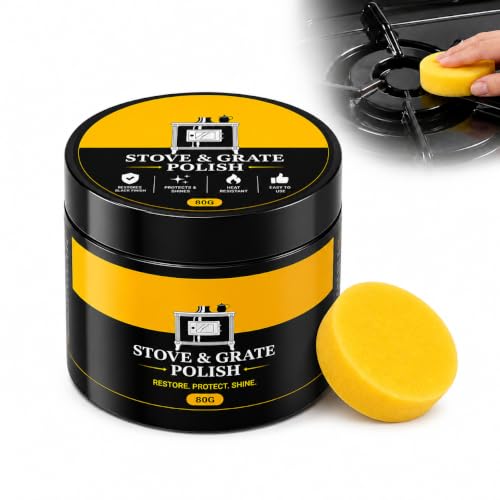
Cast Iron Stove Polish with Sponge,Black Restoring & Protective Polish,80g | Stove and Grate Polish Black, ideal for wood-burning stoves, fireplace grates and fire surround maintenance
Check price on Amazon
Gtongoko Fireplace Tools Set with Log Rack Holder, Heavy-Duty Steel Frame | 4-piece Set: Poker, Tongs, Shovel, Brush, Powder-coated Steel Stores Firewood and Hangs Tools for Fireplaces
Check price on Amazon
Rutland Fire Starter for Campfires, Fire Pit, Fireplace and Wood Stove - Charcoal Starter, Chimney, Grill & BBQ - Natural Firestarter Cubes
Check price on AmazonDisclaimer
Some content on this site is created with the help of AI. All information is provided for educational purposes only, not as professional advice. We are not responsible for any losses that may arise from the use of this information. By accessing this site, you agree to waive your right to bring legal claims against us related to the use of the information provided. If you do not agree, please leave this site. Read more.
Frequently Asked Questions About Wood Burning Fireplace Maintenance
How often should I clean my wood burning fireplace?
You should remove ashes every 1-2 weeks during heavy use, and perform a thorough cleaning of the firebox and glass at least once a year. The chimney should be inspected annually and cleaned when creosote buildup reaches 1/8 inch.
What is creosote and why is it dangerous?
Creosote is a tar-like byproduct of burning wood that accumulates in the chimney. It is highly flammable and is the leading cause of chimney fires. Regular cleaning and burning seasoned wood are key to preventing dangerous buildup.
Can I clean my own chimney?
Yes, you can clean your own chimney with the right tools (brushes, rods, and safety gear). However, for complex flues, significant blockages, or if you are unsure about the safety of your chimney, it is best to hire a certified chimney sweep for a professional inspection and cleaning.
What is the best wood to burn to reduce maintenance?
Hardwoods like oak, maple, and ash that have been seasoned for at least 6-12 months are best. They burn hotter and cleaner, producing less creosote than softwoods or unseasoned wood.