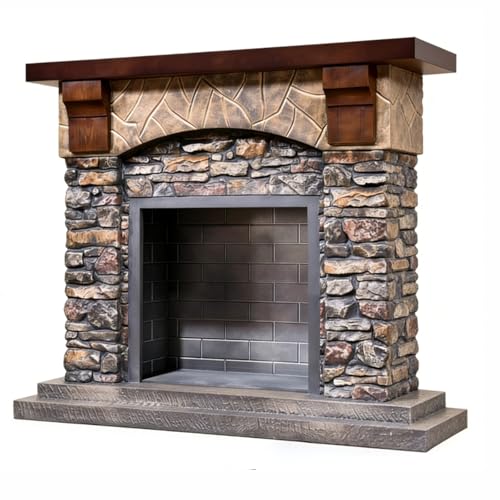
Stone Fireplace Ideas: The Ultimate Design & Buying Guide
Discover the timeless beauty of stone fireplaces. From rugged fieldstone to elegant marble, learn how to choose, design, and maintain the perfect stone centerpiece for your home.
Explore Stone TypesWhy Choose a Stone Fireplace? A stone fireplace is more than just a heat source; it's a architectural statement. It brings a unique blend of natural texture, enduring strength, and timeless elegance that can define the entire character of a room. Whether you're building a new home, remodeling an existing space, or simply looking for inspiration, this guide will walk you through everything you need to know about stone fireplaces.
1. Types of Stone for Fireplaces
The type of stone you choose dramatically impacts the look, feel, and cost of your fireplace. Each material has its own unique characteristics, color palette, and texture. Understanding these differences is the first step in your design journey.
Fieldstone
Rugged and organic, fieldstone is collected from the earth, giving it a one-of-a-kind, natural appearance. It's ideal for rustic, country, or cabin-style homes. Its irregular shapes and earthy tones create a cozy, grounded feel. For a complete rustic look, consider pairing it with wood burning fireplace ideas.
Limestone
Known for its smooth, fine-grained texture and neutral colors like cream, beige, and gray, limestone offers a sophisticated and elegant look. It's a popular choice for modern and traditional homes alike, providing a clean, refined aesthetic that works well in living room stone fireplace decor.
Sandstone
With its warm, sandy hues and natural grain, sandstone brings a soft, inviting warmth to a space. It's a versatile material that can be cut into various shapes, making it suitable for both contemporary and classic designs. Its natural texture is a key feature in many stone fireplace ideas.
Slate
Slate is a fine-grained, foliated rock that splits into thin, smooth plates. It offers a sleek, modern look and comes in a range of colors, including deep grays, greens, and purples. Its low water absorption makes it a durable choice for both indoor and outdoor applications.
Marble
Synonymous with luxury, marble is a metamorphic rock with a crystalline texture and distinctive veining. It is a premium choice that adds a touch of opulence and timeless beauty to any room. A marble fireplace is a true statement piece.
Granite
Extremely durable and available in a wide array of colors and patterns, granite is a high-end option that can withstand high heat. Its polished or honed surface adds a sleek, contemporary feel, making it perfect for modern homes.
2. Popular Stone Fireplace Design Styles
Once you've chosen your stone, the next step is to decide on a design style. The way the stone is cut, arranged, and combined with other materials will define the final look. Here are some of the most popular styles to consider for your stone fireplace.
Stacked Stone
This style uses thin, narrow strips of stone stacked horizontally. It creates a highly textured, modern, and linear look that is often used in contemporary homes. A stacked stone fireplace can serve as a stunning focal point in an open-concept living area. You can see how it pairs with other elements in open concept living room fireplace ideas.
Ashlar Pattern
This classic pattern features stones that are cut into rectangular shapes of varying sizes and laid in a staggered, brick-like fashion. It's a formal and orderly style that works well in traditional and transitional designs. The clean lines of an ashlar pattern can beautifully complement a stone fireplace mantel.
Dry Stack (Dry Stacked)
In this style, stones are stacked without visible mortar joints, creating a seamless, natural look that appears to be held together by gravity alone. It's a very organic and rustic style, perfect for creating a cozy and authentic atmosphere in a living room stone fireplace decor.
Rubble Stone
This style uses irregular, uncut stones of varying sizes, resulting in a more chaotic and rustic appearance. It's a great choice for a truly custom, one-of-a-kind look that exudes a sense of history and permanence. This style is often found in older homes and is a key element in many stone fireplace ideas.
Stone Veneer
For those who want the look of stone without the structural weight, stone veneer is an excellent option. It's a lightweight material that mimics the appearance of natural stone and can be applied to almost any surface. This makes it a popular choice for DIY fireplace makeover projects and renovations.
3. Key Design Considerations
Integrating a stone fireplace into your home requires careful planning. Here are some critical factors to keep in mind to ensure your fireplace is both beautiful and functional.
Proportion and Scale
A stone fireplace should be proportional to the room it occupies. A massive stone wall in a small room can feel overwhelming, while a tiny fireplace in a large room can get lost. It's crucial to match the fireplace's size and scale to your space. For more detailed guidance, refer to our guide on matching fireplace proportions to room shape.
Mantel and Hearth
The mantel and hearth are key design elements that can dramatically change the look of your stone fireplace. A thick, rustic wood beam mantel adds a rustic touch, while a sleek, modern mantel can create a contemporary feel. The hearth, whether raised or flush with the floor, also influences the overall aesthetic. Explore our stone fireplace mantel ideas for inspiration.
Lighting and TV Placement
Proper lighting can highlight the texture and beauty of the stone, especially at night. Consider adding wall sconces or recessed lighting. If you plan to mount a TV above your fireplace, it's essential to consider heat and safety. Our article on TV above fireplace safety provides important guidelines.
Room Style and Decor
Your stone fireplace should complement the overall style of your room. A rustic fieldstone fireplace pairs beautifully with a cozy, traditional decor, while a sleek limestone fireplace can enhance a modern, minimalist space. For more ideas on integrating your fireplace with your room's decor, see our living room stone fireplace decor guide.
4. Installation and Cost Factors
Installing a stone fireplace is a significant project that requires careful planning. The installation process and cost will vary depending on the type of stone, the complexity of the design, and whether you hire a professional or do it yourself.
Professional vs. DIY Installation
While some DIY fireplace makeover projects are feasible with stone veneer, installing a full natural stone fireplace is a complex job best left to professionals. It involves structural considerations, proper venting, and specialized skills. You can learn more about the different options in our DIY vs professional fireplace installation guide.
Cost Factors
The cost of a stone fireplace is influenced by several factors, including the type of stone (e.g., fieldstone is generally more affordable than marble), the size of the fireplace, the complexity of the design, and labor costs. For a detailed breakdown, see our guide on fireplace cost breakdown.
Venting and Safety
Proper venting is critical for any fireplace. The venting requirements will depend on the type of fuel you are using (wood, gas, or electric). You can find detailed information in our articles on venting requirements for gas fireplaces and do fireplaces need a chimney.
5. Maintaining Your Stone Fireplace
One of the greatest advantages of a stone fireplace is its durability and low maintenance. However, some regular care is still required to keep it looking its best.
Cleaning
Regular cleaning with a soft brush and a mild stone cleaner is usually sufficient to remove dust and soot. For tougher stains, you may need a specialized stone cleaner. Our guide on how to clean fireplace brick and stone provides detailed instructions.
Sealing
Natural stone is porous and can benefit from periodic sealing to protect it from stains and moisture. The frequency of sealing depends on the type of stone and the level of use. You can learn more about general fireplace maintenance in our comprehensive guide.
Frequently Asked Questions
What is the most popular type of stone for a fireplace?
There is no single "most popular" type, as it depends on the desired style. However, fieldstone, limestone, and slate are consistently popular choices due to their natural beauty and versatility.
Can I install a stone veneer over my existing fireplace?
Yes, stone veneer is a great option for updating an existing fireplace. It's lightweight and can be applied directly to many surfaces, making it a popular choice for DIY fireplace makeovers.
How much does a stone fireplace cost?
The cost varies significantly based on the type of stone, design, and labor. It is a significant investment. For a detailed breakdown of costs, please refer to our fireplace cost breakdown.
Do stone fireplaces need a chimney?
It depends on the type of fireplace. Wood-burning and most gas fireplaces require a chimney or vent. Electric fireplaces do not. Learn more in our guide on do fireplaces need a chimney.
Ready to Design Your Stone Fireplace?
A stone fireplace is a beautiful and lasting investment that can transform your home. By understanding the different types of stone, design styles, and key considerations, you can create a stunning centerpiece that you will enjoy for years to come. We hope this guide has provided you with the inspiration and information you need to make your vision a reality.