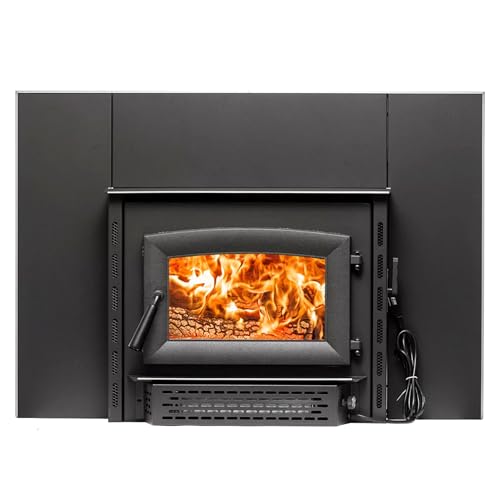
Converting a Wood Fireplace to Gas: A Complete Guide
Discover the process, benefits, and costs of upgrading your wood-burning fireplace to a clean, convenient gas insert.
Start Your ConversionWhy Convert? Converting a wood fireplace to gas combines the charm of a real flame with the convenience of instant, controllable heat—no more hauling logs or cleaning ashes. This guide will walk you through every detail to make an informed decision.
Is a Wood-to-Gas Conversion Right for You?
If you love the ambiance of a fire but dread the work that comes with a wood-burning fireplace, a gas conversion might be the perfect upgrade. This process involves installing a gas fireplace insert into your existing firebox, transforming it into a highly efficient, push-button heating source. It’s a popular choice for homeowners seeking a cleaner, more modern alternative without losing the focal point of their living space.
However, not every wood fireplace is a candidate. The decision often depends on your home’s existing infrastructure—like whether you have a gas line and the type of chimney you have. Understanding the difference between ventless and vented gas fireplace options is crucial before you commit. This guide will help you navigate these choices and determine if this conversion aligns with your home and lifestyle.
Pros and Cons of Converting Wood to Gas
Before making a final decision, it's important to weigh the advantages against the potential drawbacks. Here’s a balanced look at what you can expect.
Advantages
- Convenience: Start a fire with a remote or a switch. No more chopping wood or tending to flames.
- Cleaner Operation: No ash, soot, or creosote buildup. Gas burns much cleaner, reducing indoor air pollution.
- Energy Efficiency: Modern gas inserts are highly efficient, often exceeding 70-90%, providing more heat with less waste. Check our guide on most energy-efficient fireplace types.
- Consistent Heat: Gas provides steady, controllable heat, often with a thermostat and blower, making it a viable zone heating solution.
- Safety: No flying embers or rolling logs. Many units have safety features like oxygen depletion sensors.
Disadvantages
- Installation Complexity: Requires a professional for gas line hookup and venting, especially if you need a new venting configuration.
- Upfront Cost: The initial investment for the insert, labor, and potential venting modifications can be significant.
- Reliance on Utilities: Many gas fireplaces require electricity for ignition, blowers, or thermostats. Learn more about using a gas fireplace without electricity.
- Less Authentic Sound & Smell: You lose the crackle and the wood-smoke aroma of a real wood fire (though some models simulate it).
Key Decisions Before You Convert
The success of your conversion depends on making the right choices upfront. Here are the critical factors to consider.
1. Venting Options: Vented vs. Ventless
The biggest decision is how the fireplace will vent. This choice affects installation cost, efficiency, and safety.
- Vented Gas Inserts: These draw air from outside for combustion and exhaust gases through a chimney liner or a new vent. They offer the most realistic flame and are often required by code for bedrooms and smaller rooms. They are a top choice for reliability. Explore our guide on venting options for gas fireplaces.
- Ventless (or Vent-Free) Gas Inserts: These are highly efficient because they don't lose heat through a chimney. However, they release moisture and combustion byproducts directly into the room, so they must be sized correctly for the space. Safety is paramount, and they are subject to local regulations. See our article on ventless fireplace safety.
2. Gas Type: Natural Gas vs. Propane
You'll need to choose a fireplace that matches your home's fuel source. Most homes in urban areas have natural gas, while rural homes often rely on propane. The two are not interchangeable without a conversion kit. For a detailed comparison, read natural gas vs propane fireplace.
3. Does Your Fireplace Qualify?
Not all wood fireplaces can accommodate an insert. You need to check the firebox dimensions, the condition of the chimney, and local building codes. A professional installer will assess if your existing fireplace is a good candidate for a gas insert for a wood-burning fireplace or if a more extensive remodel is needed. If your firebox is too small, you might consider a freestanding ventless gas fireplace as an alternative.
The Step-by-Step Conversion Process
Here’s what a typical professional wood-to-gas conversion looks like from start to finish.
- Consultation and Assessment: A certified technician (NFI-certified is best) inspects your existing wood fireplace and chimney. They measure the firebox, check for damage, and discuss venting options (direct vent vs. ventless).
- Selecting Your Gas Insert: Based on the assessment, you choose an insert that fits your space, style, and heating needs. This is the time to decide on features like a remote control, thermostat, or blower. A gas fireplace insert with blower and thermostat offers top-tier convenience.
- Gas Line and Electrical Prep: If you don't have an existing gas line, one must be run to the fireplace. An electrical outlet is also typically required for the insert's ignition, blower, and lights. This is a key part of the cost of converting a wood fireplace to gas.
- Venting Installation: For a vented system, a flexible or rigid liner is run down the existing chimney. For a direct vent system, a new horizontal or vertical vent is installed. For a ventless system, no venting is needed, but a professional will ensure the room meets ventilation requirements.
- Insert Installation and Hookup: The new gas insert is slid into place, connected to the gas line, and wired to the electrical source. A professional will check all connections for leaks and ensure the unit is functioning correctly.
- Finishing Touches: The surround (the frame around the insert) is installed to cover any gaps between the insert and the original masonry. You can choose from various materials like stone or tile. You may also consider adding a mantel.
- Inspection and Testing: The installer will test the unit, adjust the flame, and show you how to operate and maintain it. They will also ensure the installation meets all local safety codes.
Understanding Conversion Costs and Efficiency
There are two main financial aspects to consider: the initial investment and the long-term operating costs.
The total cost of converting a wood fireplace to gas depends on several factors, including the type of insert you choose, the complexity of the venting, and whether a new gas line needs to be installed. You can find a detailed breakdown in our article on the cost of converting a wood-burning fireplace to gas.
While gas fireplaces are convenient, they aren't free to run. The operating cost depends on your local energy prices. It's wise to compare the costs. For example, you can review a comparison of electric fireplace vs gas fireplace running costs to see how they stack up. For those considering a simpler route, you might also look at the cost of converting a wood fireplace to electric as an alternative.
Efficiency is a major benefit. Modern gas inserts are designed to be a primary heat source for a room, and some can even help heat an entire house in conjunction with your central HVAC system, especially with a zone heating strategy.
Comparison at a Glance
| Feature | Wood Fireplace | Gas Insert (Vented) | Gas Insert (Ventless) |
|---|---|---|---|
| Convenience | Low | High | Very High |
| Efficiency | Low (Open Fireplace) | High (70-85%) | Very High (up to 99%) |
| Cleanliness | Low | High | Very High |
| Installation Complexity | N/A | High | Moderate |
| Best For | Ambiance, Occasional Use | Primary Heating, Realistic Flame | Supplemental Heat, High Efficiency |
An Alternative: Converting to Electric
If running a gas line is not feasible or you prefer an even simpler installation, converting your wood fireplace to electric is another option. A electric fireplace insert can be a great choice. You can learn more in our guide on converting a wood-burning fireplace to electric. These units offer excellent realism, with many models featuring a most realistic electric fireplace flame effect.
Final Thoughts: Making the Right Choice
Converting your wood fireplace to gas is a significant but rewarding home improvement project. It can transform an underutilized, messy hearth into a clean, efficient, and beautiful centerpiece. By carefully considering your venting options, fuel type, and budget, you can enjoy the warmth and ambiance of a fire at the push of a button. Always consult with a qualified professional to ensure a safe and code-compliant installation.