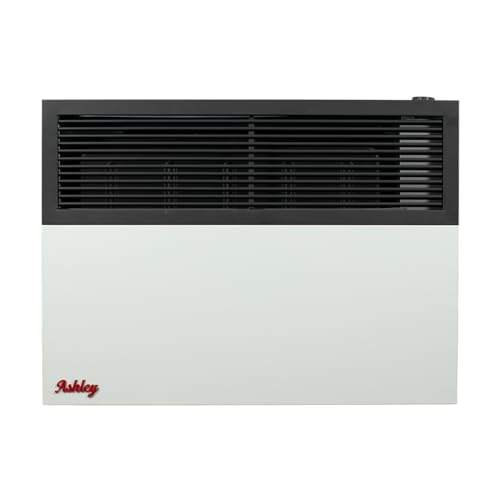
Wall Mounted Direct Vent Gas Fireplace: The Complete Guide
Discover how a wall mounted direct vent gas fireplace can combine modern style with efficient, safe heating — and learn how to choose the right model.
EXPLORE THE GUIDEWhy choose a wall mounted direct vent gas fireplace? These units combine three sought-after features: a space-saving wall-mounted design, the safety and efficiency of sealed direct venting, and the convenience of gas heat. They are ideal for modern homes, apartments, and rooms where floor space is limited. This guide explains how they work, what to look for, and how to choose the best model for your space.
What Is a Wall Mounted Direct Vent Gas Fireplace?
A wall mounted direct vent gas fireplace is a sealed combustion unit that is installed on or into a wall and uses a dedicated venting system to bring in outside air for combustion and exhaust byproducts to the outdoors. The "direct vent" designation means the unit does not rely on the room's air for burning, which makes it safe for well-insulated, modern homes where indoor air pressure can be unstable.
Unlike a traditional fireplace that requires a full chimney, a direct vent unit uses a coaxial or flexible vent pipe that can be routed through an exterior wall or upward through the roof. This flexibility makes it possible to install a gas fireplace in rooms that would otherwise have no place for one. For a broader overview of venting, see venting options for gas fireplace and venting requirements for gas fireplace.
Key Benefits of a Wall Mounted Direct Vent Gas Fireplace
These fireplaces offer a distinct set of advantages over other types. Understanding them helps you decide if this is the right solution for your home.
- Space-Saving Design Wall mounted units free up floor space, making them ideal for apartments, small living rooms, and rooms with limited wall space.
- Sealed Combustion Direct venting draws outside air and exhausts outdoors, improving indoor air quality and safety.
- High Efficiency Many direct vent models achieve high efficiency ratings, delivering more heat per unit of gas.
- Flexible Installation Venting can be routed horizontally through a wall or vertically through a roof, depending on the space.
- Modern Aesthetic Wall mounted designs are typically sleek and linear, complementing contemporary interiors.
- Remote and Thermostat Options Many models offer remote controls, programmable thermostats, and smart features.
Types and Configurations of Wall Mounted Direct Vent Fireplaces
Wall mounted direct vent fireplaces come in a variety of shapes and configurations. The right choice depends on your space, style preferences, and heating goals.
Linear Wall Mounted Fireplaces
Wide, low-profile units that emphasize a horizontal flame. They create a modern, minimalist look.
- Best for: Contemporary living rooms, media walls
- Efficiency: Mid-range to premium
- Venting: Typically horizontal through an exterior wall
- Consideration: Requires a wide wall area
Vertical Wall Mounted Fireplaces
Taller, narrower units that emphasize a vertical flame. They work well in rooms with limited horizontal wall space.
- Best for: Small rooms, narrow walls
- Efficiency: Mid-range to premium
- Venting: Horizontal or vertical, depending on the model
- Consideration: Less panoramic flame view
Built-In Wall Fireplaces
These units are recessed into the wall for a flush appearance. They require framing and planning during construction or renovation.
- Best for: New construction, major renovations
- Efficiency: Mid-range to premium
- Venting: Hidden within the wall cavity
- Consideration: Requires structural planning
See-Through Wall Fireplaces
Two-sided units that can be viewed from adjacent rooms. They act as a striking room divider.
- Best for: Open concept layouts, room dividers
- Efficiency: Mid-range to premium
- Venting: Typically vertical
- Consideration: Higher installation complexity
For design inspiration, see linear fireplace ideas, linear gas fireplace ideas, and wall-mounted vs insert vs freestanding fireplace. If you want to compare wall mounted and built-in options, wall-mounted vs built-in fireplace is a useful reference.
How Direct Venting Works
Direct venting is the defining feature of these fireplaces. A sealed combustion chamber isolates the fire from the room's air. A coaxial vent pipe — one pipe inside another — handles both intake and exhaust. The outer pipe draws in outside air for combustion, while the inner pipe exhausts combustion byproducts to the outdoors.
Because the system is sealed, it does not compete with your home's heating or air conditioning for indoor air. This makes it more efficient and safer than ventless systems, which release combustion byproducts into the room. To understand the differences, see venting vs ventless gas fireplace and ventless vs vented gas fireplace.
| Venting Aspect | How It Works | Why It Matters |
|---|---|---|
| Coaxial Pipe | Inner pipe exhausts, outer pipe intakes air. | Keeps combustion isolated from indoor air. |
| Horizontal Termination | Vent exits through an exterior wall. | Ideal for rooms with an accessible outer wall. |
| Vertical Termination | Vent runs upward through the roof. | Used when horizontal routing is not possible. |
| Clearances | Manufacturer specifies minimum distances to windows, doors, and corners. | Ensures safe operation and code compliance. |
For more detail, see venting gas fireplace options and venting requirements gas fireplace. If you are considering where to place the unit, fireplace venting requirements can help you evaluate your wall options.
Sizing and Heating Capacity
The right size depends on the room's dimensions and how you intend to use the fireplace. A wall mounted direct vent unit can serve as a decorative focal point, a supplemental heat source, or in some cases, a primary heat source for a single room.
Heating capacity is measured in BTUs. For a typical living room, a mid-range unit delivers enough heat for supplemental warmth, while higher-output models can heat larger spaces. To determine the right BTU rating for your room, see fireplace heating capacity BTU guide and how to size a fireplace. If you are considering whether a fireplace can heat your entire home, can a fireplace heat an entire house explains the limits.
Installation Considerations
Installing a wall mounted direct vent gas fireplace is more involved than plugging in an electric unit. It requires a gas line, a venting path, and electrical connections for controls and blowers. In most areas, a licensed professional must perform the gas and venting work.
-
Site Evaluation
A technician assesses the wall, the exterior venting path, and the gas supply. They confirm that clearances to windows, doors, and combustibles can be met.
-
Framing and Preparation
If the unit is built-in, the wall is framed to accommodate the firebox. For surface-mounted units, the wall is prepared for the mounting bracket and venting.
-
Venting Installation
The coaxial vent pipe is routed through the wall or roof. All connections are sealed, and the termination cap is installed on the exterior.
-
Gas Line Connection
A licensed gas fitter runs and connects the gas line, then tests for leaks and verifies proper pressure.
-
Electrical Connections
Power is connected for ignition, blowers, remote receivers, and any smart features.
-
Mounting and Finishing
The fireplace is secured, and any trim, surround, or finishing materials are installed around it.
-
Testing and Commissioning
The installer tests ignition, flame appearance, heat output, and safety features, then reviews operation with the homeowner.
For a fuller picture, see gas fireplace installation requirements and fireplace installation guide overview. If you are considering DIY versus professional installation, DIY vs professional fireplace installation explains why gas work should be left to licensed professionals.
Pros and Cons of Wall Mounted Direct Vent Gas Fireplaces
Every fireplace type has trade-offs. Understanding them helps you make an informed decision.
✅ Advantages
- Space-saving wall mounted design
- Safe, sealed combustion
- High efficiency and consistent heat
- Flexible venting options
- Modern, sleek aesthetic
- No wood storage, ash, or chimney sweeping
⚠️ Trade-Offs
- Requires a gas line and professional installation
- Venting path must be feasible on your wall
- Higher upfront investment than electric units
- Limited placement flexibility once installed
- Requires periodic professional maintenance
- Some models depend on electricity for ignition and blowers
How to Choose the Right Wall Mounted Direct Vent Gas Fireplace
When shopping for a wall mounted direct vent fireplace, consider the following factors:
- Size and shape. Linear, vertical, or see-through — choose a configuration that fits your wall and design goals.
- BTU output. Match the heating capacity to the room. See fireplace heating capacity BTU guide.
- Venting feasibility. Confirm that a horizontal or vertical vent path is possible from your chosen wall.
- Efficiency rating. Higher efficiency means more heat and less waste. See most energy-efficient fireplace types.
- Features. Look for remote controls, thermostats, and blowers that improve convenience and heat distribution. See gas fireplace blower fan guide and fireplace thermostat guide.
- Style and finish. Choose a design that complements your interior. See linear fireplace ideas.
- Code compliance. Check local regulations for installation and clearances. See fireplace permit requirements.
For a broader buying framework, our gas fireplace buying guide and fireplace buying guide walk through the decision process from start to finish.
Maintenance After Installation
A wall mounted direct vent fireplace requires less maintenance than a wood-burning unit, but regular care is still essential. Annual professional inspections, cleaning of the glass and burner, and checking the venting system are part of responsible ownership.
For a full maintenance routine, see gas fireplace maintenance guide. If you notice unusual smells, weak flames, or unusual noises, address them promptly. Our gas fireplace troubleshooting guide covers common issues. And if you ever smell gas, leave the home immediately and contact your gas supplier.
Frequently Asked Questions
Can a wall mounted direct vent fireplace heat an entire room?
Yes, in many cases. Mid-range and premium units are designed to heat rooms of moderate to large size. For very large or open concept spaces, choose a higher BTU model and consider using the unit as a supplemental heat source. See fireplace heating capacity BTU guide.
Does a direct vent fireplace need a chimney?
No. Direct vent fireplaces use a coaxial or flexible vent pipe rather than a traditional chimney. The vent can run horizontally through an exterior wall or vertically through the roof. See do you need a chimney or vent fireplace.
Can I install a wall mounted direct vent fireplace in an apartment?
In some cases, yes, but the installation depends on local codes, the building's structure, and whether a venting path is feasible. See apartment fireplace installation for more context.
How long does installation take?
A straightforward installation with an existing gas line and accessible venting path can take one to two days. Complex projects involving gas line runs, framing, or vertical venting may take longer. See fireplace installation time.
Do these fireplaces work during a power outage?
Many models rely on electricity for ignition and blowers, so they may not operate during an outage. Some units with a standing pilot and manual controls can still function, but check the manufacturer's specifications. See can you use a gas fireplace without electricity.
Are wall mounted direct vent fireplaces safe?
Yes, when installed correctly. Direct venting isolates combustion from indoor air, improving safety. Always use a licensed installer and maintain a working carbon monoxide detector. See fireplace safety tips.
Ready to Find Your Wall Mounted Direct Vent Gas Fireplace?
Browse our curated selection of wall mounted fireplaces, venting kits, and accessories to complete your project.
View Recommended Products