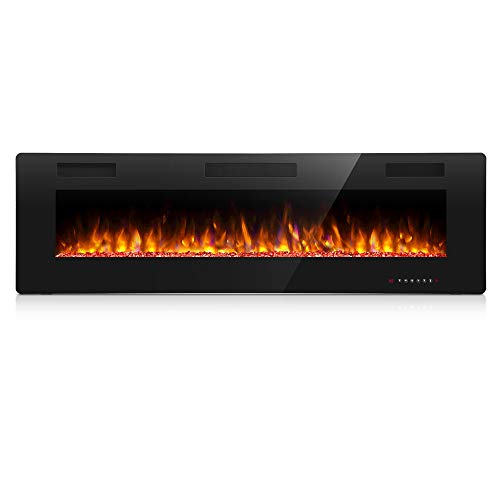
Linear Gas Fireplace Ideas: Modern Elegance & Efficient Warmth
Discover how a linear gas fireplace can transform your living space with sleek lines, realistic flames, and versatile venting options. Your complete guide to design, installation, and selection.
Explore the GuideWhy linear gas fireplaces? They offer a contemporary aesthetic that complements modern interiors, provide efficient zone heating, and come with flexible venting solutions. Whether you're renovating or building new, understanding the nuances of linear gas fireplaces will help you make a confident purchase decision.
What Is a Linear Gas Fireplace?
A linear gas fireplace is a long, horizontal unit designed to create a wide, uninterrupted flame pattern. Unlike traditional fireplaces, its burner spans the width of the firebox, producing a ribbon-like fire that emphasizes clean lines and modern minimalism. These fireplaces are typically powered by natural gas or propane and can be vented directly through an exterior wall or roof.
They are particularly popular in open-concept living rooms, where the fireplace can serve as a stunning room divider or a focal point without obstructing sightlines. If you are still exploring different fireplace types, our types of fireplaces guide provides a comprehensive overview.
Linear Gas Fireplace Design Ideas
The design potential of a linear gas fireplace is immense. Here are some inspiring ideas to consider for your home.
Wall-Mounted Focal Point
Mount a linear fireplace at eye level on a feature wall, often beneath a large TV or artwork. This creates a seamless, contemporary look. Consider pairing it with a wall-mounted fireplace TV stand or built-in shelving for a cohesive design.
Room Divider
Use a double-sided linear gas fireplace to divide a large open space while maintaining warmth and visual connection. This is ideal for indoor-outdoor living or separating a living area from a dining space.
Under a TV
A popular configuration is placing the linear fireplace below a wall-mounted TV. This creates a clean, organized entertainment wall. Be sure to check our guide on TV above fireplace safety for clearance recommendations.
Built into Cabinetry
Integrate the fireplace into custom cabinetry or a media wall. This works well with built-in entertainment centers, allowing you to combine storage, display, and fire in one elegant unit.
Linear Fireplace with Stone Surround
Contrast the sleek metal of the fireplace with a textured stone surround or a stone fireplace idea. This adds warmth and organic character to an otherwise modern design.
Minimalist & Frameless
Choose a frameless linear fireplace for a truly minimalist look. The fire appears to float within the wall, creating a dramatic and uncluttered aesthetic. Pair with a linear electric fireplace for a similar visual effect without gas lines.
Venting Options for Linear Gas Fireplaces
Proper venting is crucial for safety and performance. Linear gas fireplaces offer several venting configurations to suit different installation scenarios.
| Venting Type | Description | Best For |
|---|---|---|
| Direct Vent | Uses a coaxial pipe (one inside the other) to draw in combustion air and expel exhaust horizontally through an exterior wall. | Most installations, especially where a vertical chimney is not feasible. See venting options for gas fireplace. |
| Top Vent | Exhaust exits through the top of the unit, typically routed vertically through the roof. | Rooms where horizontal venting is blocked or where a traditional chimney look is desired. |
| Rear Vent | Exhaust exits directly from the back of the unit through an exterior wall. | Instances where the fireplace is mounted on an exterior wall and a straight horizontal run is possible. |
| Ventless (Unvented) | No external venting required; burns cleanly and emits minimal emissions. However, check local codes and ventless fireplace safety guidelines. | Areas where venting is impossible, but require diligent maintenance and adherence to clearance rules. |
For detailed requirements, refer to our articles on venting requirements for gas fireplace and venting requirements for gas fireplace insert. Understanding the difference between vented vs ventless gas fireplace is also essential.
Sizing and Heating Capacity
Linear gas fireplaces are measured by their width (e.g., 40-inch, 60-inch, 80-inch) and their BTU output. To choose the right size for your room, consider both the visual proportions and the heating needs.
- Visual Proportion: The fireplace width should generally be about 1/3 to 1/2 the width of the wall it's on for balanced aesthetics. For open concept spaces, refer to our guide on fireplace sizing for open concept rooms.
- Heating Capacity: BTU requirements depend on room size, insulation, and climate. Use our heating capacity BTU guide and how to size a fireplace resource to calculate the right output. Linear fireplaces often range from 20,000 to 60,000 BTUs.
- Zone Heating: Many linear units are efficient zone heaters. Learn more about zone heating with fireplace strategies.
Efficiency and Long-Term Value
Modern linear gas fireplaces are designed with efficiency in mind. Look for units with sealed combustion and direct venting, which prevent heat loss and improve performance. While we do not list prices, you can compare running costs in our articles on electric vs gas fireplace running costs and gas vs electric fireplace running costs.
For a broader view of expenses, see our fireplace cost breakdown and hidden costs of owning a fireplace. Investing in a most energy efficient fireplace type can lead to long-term savings.
Maintenance Tips for Linear Gas Fireplaces
Regular maintenance ensures safety and prolongs the life of your fireplace. Key tasks include:
- Annual Inspection: Schedule a professional inspection to check the burner, pilot, and venting. See our annual fireplace inspection guide.
- Cleaning: Clean the glass and interior periodically. Follow our how to clean fireplace glass instructions and clean gas fireplace burner guide.
- Seasonal Care: Prepare your fireplace for winter with our winter fireplace preparation guide and seasonal maintenance checklist.
- Troubleshooting: If issues arise, consult our fireplace troubleshooting section, including gas fireplace won't light and gas fireplace weak flame articles.
What to Look for When Buying a Linear Gas Fireplace
1. Size and BTU Output
Match the fireplace width to your wall space and BTU output to your room's heating needs. A unit that is too small may look underwhelming; too large could overpower the space.
2. Venting Configuration
Determine whether direct vent, top vent, or rear vent is most practical for your home layout. Check local building codes and our do you need a chimney or vent guide.
3. Flame Presentation
Look for realistic flame patterns, ember beds, and options like reflective glass or LED accent lighting. Some models offer crackling sound for added ambiance.
4. Controls and Features
Consider remote control, thermostat, and smart home integration. Our fireplace thermostat guide and smart Wi-Fi fireplace controller articles explain the options.
5. Build Quality and Warranty
Invest in a unit from a reputable brand with a solid warranty. Quality materials like stainless steel burners and ceramic glass ensure durability.
6. Installation Requirements
Understand clearances to combustibles, gas line requirements, and electrical needs. Consult our gas fireplace installation requirements and consider DIY vs professional installation.
Ready to Choose Your Linear Gas Fireplace?
Use our recommended product section below to compare top-rated linear gas fireplaces and find the perfect fit for your home.
View Recommended ProductsFrequently Asked Questions
Can a linear gas fireplace heat a large room?
Yes, many linear gas fireplaces are designed with high BTU outputs suitable for large rooms. However, for whole-house heating, they are best used as zone heaters. See our guide on can a fireplace heat an entire house.
Do linear gas fireplaces require electricity?
Most modern linear gas fireplaces use electronic ignition and require a power source for the control system, blower, and lighting. Some models can operate during a power outage if they have a battery backup. Learn more in our article can you use a gas fireplace without electricity.
What is the difference between a linear gas fireplace and a traditional gas fireplace?
Linear gas fireplaces have a wide, horizontal burner that creates a modern, ribbon-like flame, whereas traditional gas fireplaces have a more compact firebox with a log set and a more classic look. The choice often comes down to design preference and room style.
Are linear gas fireplaces safe?
Yes, when installed and maintained correctly. Direct vent models are sealed and safe for indoor use. Always follow manufacturer instructions and local codes. For safety tips, see our ventless fireplace safety and carbon monoxide signs from fireplace articles.
How do I clean the glass on a linear gas fireplace?
Use a non-ammonia glass cleaner and a soft cloth. Ensure the fireplace is completely cool before cleaning. Detailed steps are in our how to clean fireplace glass guide.