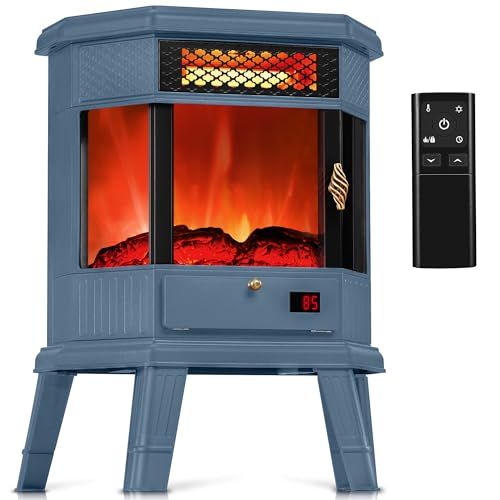
Small Electric Fireplace Freestanding: Compact Comfort for Every Room
Discover how a compact, freestanding electric fireplace can deliver warmth, ambiance, and style without the need for vents, chimneys, or permanent installation.
View Top PicksWhy Choose Freestanding? Unlike built-in or wall-mounted units, a freestanding electric fireplace offers unmatched flexibility. You can move it from room to room, take it with you when you move, and enjoy instant ambiance without professional installation.
What Is a Small Electric Fireplace Freestanding?
A small electric fireplace freestanding is a self-contained heating unit that plugs into a standard household outlet. It combines a realistic flame effect with a built-in heater, all housed in a compact cabinet that can be placed almost anywhere. Unlike traditional fireplaces, these units require no chimney, no gas line, and no venting. This makes them ideal for apartments, condos, RVs, and any room where permanent installation is impractical.
Because they are freestanding, you can position them against a wall, in a corner, or even use them as a focal point in the center of a room. Many models are designed to resemble wood stoves, traditional mantels, or modern consoles, allowing you to match your existing decor. For those who want the look of a real fire without the hassle, a electric fireplace wood burning stove style unit offers a classic aesthetic with modern convenience.
Key Benefits of a Compact Freestanding Electric Fireplace
Choosing a freestanding electric fireplace comes with several advantages that make it a smart investment for many homeowners and renters:
- No Installation Required: Simply plug it in and enjoy. This is perfect for renters or anyone who wants to avoid the cost and complexity of a fireplace installation guide.
- Portability: Move it from the living room to the bedroom, or even take it to your office. This flexibility is unmatched by built-in units.
- Zone Heating: Instead of heating your entire home, you can warm just the room you're in, which can lead to energy savings. Learn more in our fireplace energy saving tips.
- Safety: Electric fireplaces produce no carbon monoxide, no creosote, and no open flames. They are a safer option for homes with children and pets. See our guide on electric fireplace carbon monoxide safety.
- Aesthetic Appeal: Modern units feature incredibly realistic flames, adjustable brightness, and even crackling sound effects. You can explore electric fireplace with sound effects for a fully immersive experience.
Sizing and Placement for Small Spaces
When selecting a small freestanding electric fireplace, the size of the unit and the size of your room are the two most important factors. A unit that is too large will overwhelm a small space, while one that is too small may not provide adequate heat. For a detailed breakdown, refer to our fireplace sizing for open concept rooms guide.
Measure the dimensions of your intended space, including height, width, and depth. Most compact freestanding units range from 20 to 30 inches in width, making them suitable for corners, beside a sofa, or at the foot of a bed. If you have a very tight area, a small freestanding electric fireplace is specifically designed to fit into narrow spaces. For those who want a bit more presence, a electric fireplace freestanding white model can brighten a room while blending with light-colored walls.
Placement is also key. Keep the unit at least a few feet away from curtains, furniture, and other flammable materials. While electric fireplaces are safer than wood or gas, it's still important to follow the manufacturer's clearance recommendations. Our article on furniture distance from fireplace provides general guidelines.
Heating Capacity: How Much Warmth Do You Need?
The heating capacity of a small electric fireplace is typically measured in BTUs (British Thermal Units). Most compact models produce between 1,500 and 5,100 BTUs, which is enough to heat a room up to about 400 square feet. However, the actual performance depends on insulation, ceiling height, and climate. For a comprehensive explanation, see our fireplace heating capacity BTU guide.
If you need a unit that can take the chill off a larger room, look for models with higher BTU output or those that are designed for electric fireplaces that heat up to 1000 square feet. Many freestanding units also offer adjustable thermostat settings, allowing you to maintain a consistent temperature. Some even include a remote control for added convenience, like an electric fireplace heater with remote.
It's also worth considering whether you want the heater to be the primary heat source or just a supplemental one. For whole-home heating, a fireplace is rarely sufficient, as explained in our article can a fireplace heat an entire house. But for zone heating, a small freestanding electric fireplace is an excellent choice.
Design and Style Options for Compact Spaces
Gone are the days when electric fireplaces looked like glorified space heaters. Today's models come in a wide variety of styles, from rustic wood stove replicas to sleek, modern consoles. If you prefer a traditional look, a electric fireplace with wood surround can add warmth and character. For a more contemporary feel, consider a contemporary free standing electric fireplace with clean lines and a minimalist profile.
Some units are designed to look like wood-burning stoves, complete with faux logs and a glowing ember bed. These are perfect for creating a cozy, cabin-like atmosphere. You can find models that mimic the look of a electric fireplace that looks like a wood stove or even a wood burning stove. For those who want a more elegant touch, a most realistic freestanding electric fireplace can be a stunning focal point.
If you have a specific decor theme, such as farmhouse or coastal, you can find units that complement your style. For example, a white freestanding electric fireplace is a popular choice for bright, airy spaces. You can also explore design ideas for small living room with fireplace to see how these units can be integrated into your home.
Safety and Maintenance Tips
One of the biggest advantages of electric fireplaces is their safety. They produce no open flames, no smoke, and no carbon monoxide. However, it's still important to follow basic safety practices. Always plug the unit directly into a wall outlet, not an extension cord, unless the cord is rated for the amperage. Our article on extension cord for electric fireplace explains this in detail.
Keep the unit away from water, and never place it where it can be knocked over easily. If you have pets or small children, consider a model with cool-touch glass and an automatic shut-off feature. For more safety tips, see our guide on electric fireplace carbon monoxide (spoiler: they don't produce any) and leaving fireplace on overnight.
Maintenance is minimal. Dust the exterior with a soft cloth, and occasionally vacuum the air intake vents to prevent dust buildup. Unlike wood or gas fireplaces, there is no chimney to clean, no ashes to remove, and no annual inspection required. However, it's still a good idea to inspect the power cord for damage periodically. For a full checklist, refer to our electric fireplace inspection guide and electric fireplace maintenance tips.
Common Questions and Troubleshooting
Even the most reliable electric fireplace can occasionally have issues. If your unit isn't heating, check the thermostat setting and ensure the heater is turned on. Sometimes the flame effect works but the heat doesn't, which could indicate a problem with the heating element. Our troubleshooting guide on electric fireplace not heating can help you diagnose the issue.
If the flame effect stops working but the heat is still on, it might be a loose connection or a burned-out LED. See our article on electric fireplace flame not working for step-by-step fixes. If the remote control isn't responding, try replacing the batteries or resetting the unit. Our guide on electric fireplace remote fix covers common remote issues.
For more general questions, such as "Do electric fireplaces really heat a room?" or "Are they tacky?", visit our fireplace FAQ. You can also learn about fireplace electricity usage to understand the impact on your energy bill.
How to Choose the Right Small Freestanding Electric Fireplace
With so many options on the market, it helps to have a clear set of criteria. Here are the key factors to consider:
- Size and Placement: Measure your space and decide whether you want a corner unit, a console-style model, or a stove replica. For tight spots, a very small electric fireplace insert might be an option, but freestanding units are generally more versatile.
- Heating Needs: Determine the square footage you want to heat. If you only need supplemental warmth, a lower BTU unit may suffice. For larger rooms, look for higher BTU output.
- Style and Finish: Choose a design that complements your decor. Whether you prefer a rustic fireplace look or a sleek modern finish, there's a model for you.
- Features: Look for adjustable flame brightness, thermostat control, remote control, timer, and overheat protection. Some models even offer crackling sound effects for added realism.
- Brand and Reviews: Research reputable brands and read customer reviews. While we don't list prices, you can compare features and quality tiers. Entry-level models may lack advanced features, while mid-range and premium models offer more realism and convenience.
For a broader overview of buying considerations, see our fireplace buying guide. If you're still unsure which type of fireplace is right for you, our article on which fireplace is right for your home can help you compare electric, gas, and wood options.
Installation and Setup: Plug and Play
One of the biggest advantages of a freestanding electric fireplace is that it requires virtually no installation. Most units are ready to use out of the box: simply attach the legs or base (if required), plug it into a standard outlet, and turn it on. This is a stark contrast to gas or wood fireplaces, which may require professional installation and venting. If you're curious about the installation process for other types, you can read our electric fireplace installation plug and play guide or learn about gas fireplace installation requirements.
Because there is no venting, you can place your freestanding electric fireplace almost anywhere. However, avoid placing it in areas with high humidity, such as bathrooms, unless the unit is specifically rated for damp locations. Also, ensure that the unit is on a level surface and that the power cord is not a tripping hazard.
If you ever decide to upgrade to a built-in unit, you might wonder about the differences. Our article on built-in vs freestanding fireplace explains the pros and cons of each. But for renters or those who want flexibility, freestanding is often the best choice.
Where to Use Your Small Freestanding Electric Fireplace
Thanks to their compact size and portability, these fireplaces can be used in almost any room. Here are some popular placements:
- Living Room: Place it in a corner or beside your TV stand for a cozy ambiance. If you have a corner electric fireplace with mantel, it can serve as a stylish focal point.
- Bedroom: A small unit at the foot of the bed or beside a reading chair adds warmth and relaxation. You can even find electric fireplace for corner of room designs that save space.
- Apartment: Perfect for renters who can't install a permanent fireplace. Our guide on apartment fireplace installation covers everything you need to know.
- RV or Mobile Home: Many models are designed for RV use, providing safe, vent-free heat. Look for units that are specifically rated for mobile applications.
- Office or Den: Create a comfortable workspace with a small freestanding electric fireplace that doubles as a heater.
If you're looking for inspiration for small spaces, our article on small living room ideas with fireplace and TV offers practical layout tips. For a more traditional look, consider a portable fireplace heater with remote that can be moved wherever you need warmth.
Maintenance and Longevity: Keeping Your Unit in Top Shape
Electric fireplaces are known for their low maintenance, but a little care can extend their lifespan. Here are some simple tips:
- Dust Regularly: Use a soft, dry cloth to dust the exterior and the glass front. Avoid abrasive cleaners that can scratch the surface.
- Clean the Vents: Vacuum the air intake and exhaust vents to prevent dust buildup, which can cause the unit to overheat. Our guide on cleaning electric fireplace provides step-by-step instructions.
- Check the Cord: Inspect the power cord for any signs of wear or damage. If you notice fraying, stop using the unit and replace the cord or consult a professional.
- Store Properly: If you plan to store the unit during the off-season, cover it to protect it from dust and moisture. Our article on summer fireplace care offers seasonal storage tips.
With proper care, a quality small freestanding electric fireplace can last for many years. If you ever encounter issues, our fireplace troubleshooting section covers common problems and solutions. And if you're wondering about the lifespan of a fireplace in general, see our article on fireplace lifespan.
Understanding Cost and Efficiency
While we don't list specific prices, it's helpful to understand the factors that influence the cost of a small freestanding electric fireplace. Entry-level models are typically more affordable and offer basic features like a simple flame effect and a single heat setting. Mid-range models often include adjustable thermostats, remote controls, and more realistic flames. Premium and luxury models may feature advanced flame technology, crackling sound, and designer finishes.
When it comes to operating costs, electric fireplaces are generally efficient for zone heating. They convert almost all the electricity they consume into heat, which is more efficient than a traditional wood fireplace. However, electricity rates vary by region. Our article on are electric fireplaces expensive to run breaks down the factors that affect operating costs. You can also compare running costs with gas models in our electric vs gas fireplace running costs guide.
For long-term savings, consider how often you'll use the unit and whether it will replace other heating sources. Our article on which fireplace saves money long-term provides a detailed analysis. And to avoid unexpected expenses, read about the hidden costs of owning a fireplace.
Common Mistakes to Avoid When Buying a Small Freestanding Electric Fireplace
To ensure you make the best choice, avoid these common pitfalls:
- Ignoring the Return Policy: Always check the return policy before purchasing, especially if you're buying online. This is especially important if you're unsure about the size or style.
- Overlooking Clearance Requirements: Even though electric fireplaces are safe, they still need space around them for proper airflow. Don't place them directly against a wall or in a tight cabinet.
- Choosing Style Over Function: While aesthetics are important, don't sacrifice heating capacity or safety features for a pretty design. Balance both.
- Forgetting About the Cord: Make sure the power cord is long enough to reach your outlet without an extension cord. If you must use an extension cord, ensure it's rated for the amperage. See our guide on extension cord for electric fireplace.
- Not Reading Reviews: Customer reviews can reveal issues that aren't obvious from the product description. Look for patterns in feedback about durability, noise level, and flame realism.
For more advice on what to look for, see our fireplace buying guide and fireplace FAQ.
How Does It Compare to Other Fireplace Types?
If you're considering a small freestanding electric fireplace, you might also be weighing other options. Here's a quick comparison:
- Gas Fireplaces: Offer realistic flames and high heat output, but require a gas line and venting. They also produce carbon monoxide, so proper ventilation is essential. See our gas fireplace section for more details.
- Wood Fireplaces: Provide the classic crackle and smell of a real fire, but require a chimney, regular cleaning, and more maintenance. They also produce smoke and creosote. Learn more in our woodburning fireplace guide.
- Ethanol Fireplaces: Burn clean-burning bioethanol, but still produce a real flame and require ventilation. They are often more expensive to operate than electric. See our ethanol fireplace section.
For a side-by-side comparison, read our articles on electric vs gas vs wood fireplace comparison and pros and cons of each fireplace type. If you're specifically comparing electric and gas, our gas vs electric fireplace guide is a must-read.
Final Thoughts: Is a Small Freestanding Electric Fireplace Right for You?
A small electric fireplace freestanding is an excellent choice for anyone who wants the warmth and ambiance of a fireplace without the installation, maintenance, and safety concerns of traditional options. Whether you live in an apartment, a small home, or simply want a portable heating solution, these units offer convenience, style, and efficiency.
When choosing, focus on your heating needs, the size of your space, and the style that matches your decor. Don't forget to consider features like remote control, thermostat, and flame realism. And always follow safety guidelines to ensure years of enjoyment.
If you're ready to explore specific models, check out our recommended products below. For more information on other fireplace types and ideas, browse our fireplace ideas hub. And if you're still in the research phase, our what is a fireplace beginner guide is a great starting point.
With the right small freestanding electric fireplace, you can transform any room into a cozy retreat—no chimney required.