Very Small Electric Fireplace Inserts: Compact Comfort for Tight Spaces
Discover how a very small electric fireplace insert can transform your apartment, RV, office, or tiny home with realistic flames and efficient zone heating—no venting required.
SEE TOP PICKSWhy consider a very small electric fireplace insert? Standard fireplaces are wonderful, but they demand space, venting, and structural modifications that many homes simply cannot accommodate. A very small electric fireplace insert bridges that gap. These compact units are engineered for tight spaces—from studio apartments and bedrooms to RVs and office nooks—delivering the ambiance of a real fire and often meaningful supplemental heat without the complexity of gas lines or chimneys. If you are in the research phase, this guide will walk you through sizing, features, installation, and the best compact models so you can make a confident purchase.
What Exactly Is a Very Small Electric Fireplace Insert?
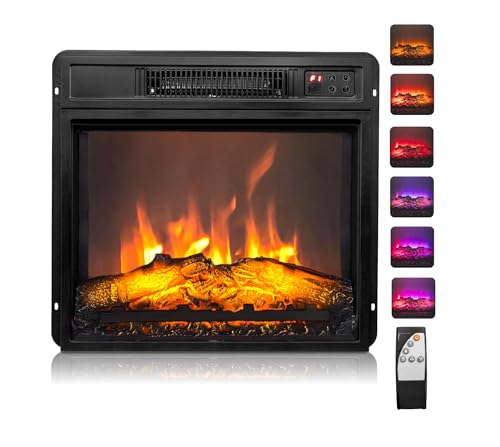
A very small electric fireplace insert is a self-contained, electrically powered heating and ambiance unit designed to fit into tight, pre-existing openings or to be mounted in compact spaces where a traditional fireplace would be impractical. Unlike full-size inserts that mimic the dimensions of a masonry firebox, very small models typically range from about 18 to 30 inches in width, with shallow depths that allow them to sit flush against a wall or inside a modest cabinet cutout.
These inserts are part of the broader family of fireplace types, but they stand out because they require no chimney, no gas line, and no complex framing. Most plug into a standard household outlet, making them an ideal solution for apartment fireplace installation and renters who cannot make permanent modifications. Whether you are searching for a fireplace for small spaces or simply want to add a focal point to a cozy room, these compact units deserve a close look.
Key Benefits of Choosing a Very Small Electric Fireplace Insert
Before diving into specifications, it helps to understand why these compact units have become so popular. Here are the primary advantages they offer:
Space-Saving Design
With widths starting around 18 inches, these inserts fit into cutouts, cabinets, and wall openings where larger units cannot go. They are perfect for studio apartments, bedrooms, and even RVs.
No Venting or Chimney
Because they run on electricity, there is no need for a flue, chimney, or gas line. This eliminates a major installation hurdle and keeps indoor air quality clean—no carbon monoxide concerns.
Plug-and-Play Simplicity
Most models operate on standard 120V outlets. You can often unbox and enjoy realistic flames within minutes, which is a stark contrast to the complexities of fireplace installation for gas or wood units.
Zone Heating Efficiency
Many small electric inserts include built-in heaters (typically 750W to 1500W) that can warm a room up to 400 square feet. This lets you heat only the space you are using, potentially lowering overall energy consumption.
Year-Round Ambiance
You can enjoy the flame effect with or without heat. This makes them suitable for summer evenings when you want atmosphere but not warmth—a flexibility that combustion fireplaces cannot match.
Rental-Friendly
Since they require no permanent modifications, they are ideal for renters. You can take it with you when you move, and there is no risk of losing a security deposit for structural changes.
How to Choose the Right Size for Your Space
With very small electric fireplace inserts, size is both an opportunity and a constraint. The goal is to find a unit that fits your available opening or wall space while still delivering the visual impact and heating capacity you need. Here is a practical framework:
- Measure your opening first. If you are installing into an existing firebox or cabinet cutout, record the width, height, and depth. Most very small inserts are designed for openings between 18 and 30 inches wide, with depths of 5 to 10 inches.
- Consider the viewing area. A wider viewing area creates a more dramatic focal point, but it also requires more wall space. For tight corners, a narrower unit with a taller flame presentation may work better.
- Check the heating capacity. Manufacturers typically rate heating capacity in BTUs or square feet. A 750W heater produces roughly 2,500 BTUs, while a 1500W unit produces about 5,100 BTUs. For a small bedroom or office, 750W is often sufficient; for a larger living area, 1500W may be necessary. Our BTU guide explains this in detail.
- Verify the power requirements. Most very small electric inserts run on 120V and draw 12.5 amps at maximum heat. Ensure the outlet you plan to use is on a circuit that can handle the load. If you are unsure, consult a licensed electrician.
- Think about placement. Wall-mounted, built-in, and freestanding options each have different space requirements. A comparison of wall-mounted vs insert vs freestanding can help you decide which form factor suits your room best.
Features That Matter in a Very Small Electric Fireplace Insert
Not all compact inserts are created equal. When comparing models, pay attention to the following features, as they directly affect your day-to-day experience:
- Flame realism: LED and water-vapor technologies have advanced significantly. Entry-level models often use basic LED simulations, while mid-range and premium units may include sound effects and more dynamic flame patterns. If realism is your priority, look for units with adjustable flame brightness and color.
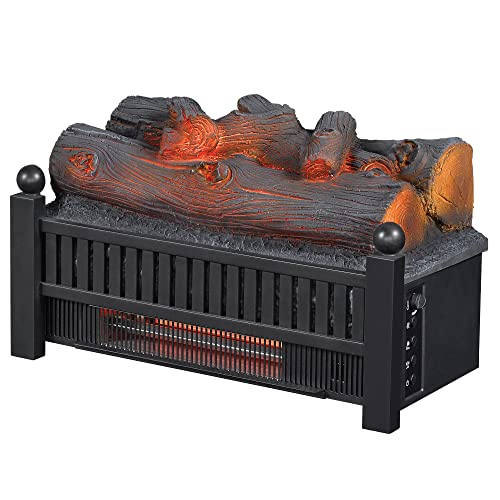
- Heating element type: Infrared quartz heaters tend to feel warmer faster and are often quieter than traditional fan-forced heaters. For a detailed comparison, see our guide on blower vs fan technology.
- Thermostat and remote control: A built-in thermostat allows the unit to cycle on and off to maintain your desired temperature. Remote controls add convenience, especially for wall-mounted units. Some high-end models offer smart Wi-Fi fireplace controllers for app-based operation.
- Installation flexibility: Some inserts are designed for built-in applications only, while others can be wall-mounted or used freestanding. If you are renting, a small freestanding electric fireplace may be a better fit.
- Safety features: Look for overheat protection and cool-touch surfaces, especially if you have children or pets. Our fireplace FAQ covers common safety questions.
Comparing Very Small Electric Fireplace Inserts by Tier
The table below outlines what you can generally expect at different quality tiers. This is a relative comparison, not a price guide—the goal is to help you understand where a given product sits in the market.
| Feature | Entry-Level | Mid-Range | High-End / Premium |
|---|---|---|---|
| Flame Realism | Basic LED simulation; single color | Multi-color LED; adjustable brightness | Water-vapor or 3D flame; highly realistic |
| Heating Output | 750W–1000W; often no thermostat | 1500W; mechanical or digital thermostat | 1500W; infrared quartz; programmable thermostat |
| Controls | Manual switches on unit | Remote control included | Remote + app or smart home integration |
| Build Quality | Plastic housing; basic metal frame | Metal housing; tempered glass front | Steel or cast-aluminum; premium glass |
| Noise Level | Audible fan noise at higher settings | Quieter operation; improved airflow | Near-silent; advanced fan design |
| Installation | Plug-in; minimal framing | Plug-in or hardwired; flexible | Built-in or wall-mount; professional look |
| Warranty | 1 year | 1–2 years | 2–5 years |
Pros and Cons of Very Small Electric Fireplace Inserts
As with any product, there are trade-offs. Here is an honest look at what these compact units offer and where they fall short.
✓ Pros
- Fits into tight spaces where other fireplaces cannot go
- No venting, chimney, or gas line required
- Plug-and-play installation for most models
- Can be used with or without heat for year-round ambiance
- Rental-friendly and portable
- Safe for indoor air quality—no combustion byproducts
- Lower installation cost compared to gas or wood
✗ Cons
- Limited heating capacity compared to full-size units
- Flame realism may not match high-end gas or wood fireplaces
- Requires a nearby electrical outlet
- Higher wattage models may trip circuits in older homes
- Some entry-level units can be noisy
- Not a substitute for primary home heating in cold climates
Installation Overview: What to Expect
One of the biggest advantages of very small electric fireplace inserts is their straightforward installation. While every unit is different, here is a general step-by-step overview. For a deeper dive, see our electric fireplace installation guide.
-
Unbox and Inspect
Check the unit for any shipping damage. Verify that all mounting hardware, remote controls, and manuals are included.
-
Choose Your Location
Select a spot near a grounded electrical outlet. Ensure there is adequate clearance for airflow. If you are installing into an existing firebox, clean it thoroughly first.
-
Prepare the Opening (If Applicable)
If you are doing a built-in installation, you may need to modify a cabinet or wall opening to match the insert's dimensions. Always follow the manufacturer's framing specifications.
-
Connect the Power
Plug the unit into a dedicated circuit if possible. Avoid using extension cords for extended periods, as they can overheat. Our guide on extension cords for electric fireplaces explains safe practices.
-
Secure the Insert
Depending on the model, you may need to screw the unit into the surrounding frame or use mounting brackets. This prevents accidental tipping.
-
Test the Functions
Turn on the flame effect first, then the heater. Verify that the remote control and thermostat work as expected. If anything seems off, consult our electric fireplace troubleshooting guide.
-
Enjoy and Maintain
Regular dusting and occasional cleaning of the glass front will keep your insert looking its best. See our electric fireplace maintenance tips for a full schedule.
Where Very Small Electric Fireplace Inserts Shine
These compact units are not just smaller versions of full-size fireplaces—they open up possibilities in spaces that would otherwise go without. Here are some of the most common and effective use cases:
- Apartments and Condos: Many rental agreements prohibit permanent modifications. A very small electric insert can be placed in a cabinet, on a wall, or in a corner without violating lease terms. Check our apartment fireplace installation guide for tips.
- RVs and Tiny Homes: Space is at a premium in mobile environments. A compact insert provides ambiance and supplemental heat without the weight and venting requirements of a propane or wood unit. The RV fireplace category covers this niche in more detail.
- Bedrooms: A small insert on a dresser or mounted on a wall can create a cozy, relaxing atmosphere. Many models operate quietly enough for sleep, and you can use the flame effect without heat. See our bedroom fireplace ideas for inspiration.
- Offices and Studies: A very small electric insert can add warmth and visual interest to a home office without taking up floor space. It is also a great conversation starter on video calls.
- Kitchens and Dining Areas: Some homeowners install compact inserts in kitchen islands or dining room walls for a touch of luxury. Our kitchen fireplace ideas article explores this trend.
Maintenance Tips for Long-Lasting Performance
Electric fireplace inserts are relatively low-maintenance, but a little care goes a long way. Here is what we recommend:
- Dust the exterior regularly. Use a soft, dry cloth to wipe down the housing and control panel. Avoid abrasive cleaners that can scratch the finish.
- Clean the glass front. Use a non-ammonia glass cleaner and a microfiber cloth. Our guide to cleaning fireplace glass has detailed instructions.
- Inspect the power cord. Check for fraying or damage every few months. If the cord is damaged, stop using the unit until it is repaired or replaced.
- Keep vents clear. Dust can accumulate in the intake and exhaust vents, reducing efficiency. Vacuum these areas gently with a brush attachment.
- Test the heater annually. Before the cold season, run the heater for a few minutes to ensure it is working properly. If you notice unusual noises, consult our troubleshooting guide for fireplace noises.
Frequently Asked Questions
Yes, but their heating capacity is limited by their size and wattage. Most compact inserts produce between 2,500 and 5,100 BTUs, which is enough to take the chill off a small room (up to about 400 square feet) but not to replace a primary heating system in a cold climate. They are best used for zone heating—warming the space you are currently occupying. For a deeper explanation, see our article on whether electric fireplaces heat a room.
In most cases, yes. These units are designed for DIY-friendly installation, especially plug-in models. However, if you need to run a new electrical circuit or modify a wall, we recommend hiring a licensed electrician or contractor. For a balanced perspective, read our guide on DIY vs professional fireplace installation.
Most modern electric inserts are designed with safety features like overheat protection and cool-touch surfaces. However, we always recommend following the manufacturer's guidelines. If you plan to use the heater overnight, ensure the unit is on a stable surface and has adequate clearance. Our article on leaving a fireplace on overnight covers this topic in detail.
The main difference is size. Standard electric inserts are typically 30 to 40 inches wide and designed to fill a traditional firebox. Very small inserts are generally 18 to 30 inches wide and shallower, making them suitable for cabinets, tight walls, and smaller rooms. The heating output is often lower as well, though this varies by model. For a broader comparison, see our article on wall-mounted vs insert vs freestanding fireplaces.
It is generally not recommended to install an electric fireplace in a bathroom unless the unit is specifically rated for damp or wet locations. Moisture can damage the electrical components and create a safety hazard. Always check the manufacturer's specifications before installing in a humid environment.
The operating cost depends on your local electricity rates and how often you use the heater. A 1500W unit used for one hour consumes 1.5 kWh. If you run it for four hours a day, that is 6 kWh per day. You can multiply that by your utility rate to estimate daily or monthly costs. Our article on fireplace daily running costs provides a framework for calculating this. Using the flame effect without heat costs significantly less—often just a few cents per day.
Final Buying Advice
Choosing the right very small electric fireplace insert comes down to three factors: fit, function, and features. Measure your space carefully, decide whether you prioritize heating or ambiance, and select the features that matter most to you—whether that is a remote control, a realistic flame effect, or a quiet infrared heater.
If you are still exploring your options, our fireplace buying guide provides a comprehensive framework that applies to all fireplace types. For a quick comparison of the main fuel categories, see our electric vs gas vs wood comparison. And if you are specifically interested in how these units compare to other compact heating solutions, our article on small gas fireplaces for small spaces may be helpful.
Remember: a very small electric fireplace insert is not a one-size-fits-all solution, but for the right space, it can be a transformative addition. With no venting, no gas lines, and minimal installation requirements, it is one of the most accessible ways to bring the warmth and charm of a fireplace into your home.
Ready to Find Your Perfect Compact Insert?
We have curated a selection of top-rated very small electric fireplace inserts available online. Compare features, read reviews, and find the one that fits your space.
Browse Recommended Models