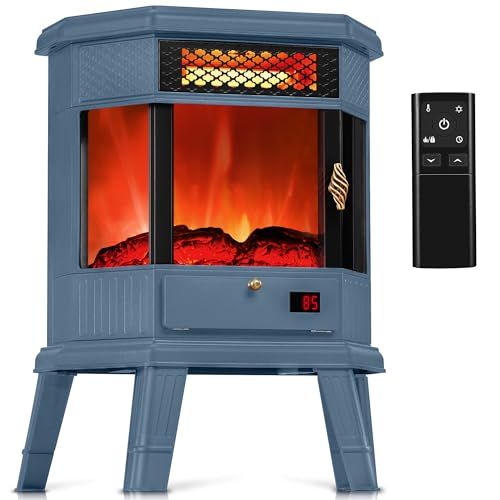
Electric Fireplace Heater with Remote: Complete Buying Guide
Discover how a remote-controlled electric fireplace heater can transform your space with convenient warmth, realistic flames, and effortless control—all without the need for venting or complicated installation.
START EXPLORINGWhy Choose an Electric Fireplace Heater with Remote? Unlike traditional fireplaces that require chimneys, gas lines, or extensive renovation, an electric fireplace heater with remote offers instant ambiance and supplemental heat at the push of a button. Whether you're looking to warm a chilly living room, add a cozy focal point to a bedroom, or create a welcoming atmosphere in a rental apartment, these versatile units deliver convenience and style in equal measure.
What Is an Electric Fireplace Heater with Remote?
An electric fireplace heater with remote is a self-contained unit that combines the visual appeal of a traditional fireplace with the functionality of a space heater. Unlike wood-burning or gas models, it requires no venting, no fuel, and no chimney—just a standard electrical outlet. The remote control allows you to adjust flame intensity, thermostat settings, timer functions, and heating modes from across the room, making it one of the most user-friendly heating solutions available.
These units are available in a variety of form factors, including wall-mounted, freestanding, built-in, and TV stand designs. Many modern models feature realistic crackling sound effects and adjustable flame colors, allowing you to customize the ambiance to suit your mood or the season. For those who want the look of a traditional stove without the maintenance, an electric fireplace wood burning stove replica offers the perfect blend of nostalgia and modern convenience.
If you're new to electric fireplaces, it's helpful to understand the broader category first. Our beginner's guide to fireplaces covers the fundamentals, while our detailed breakdown of fireplace types helps you compare electric models against gas, wood, and ethanol options.
Key Features to Look For
Remote Control Functionality
The remote should allow you to power the unit on and off, adjust the thermostat, set a timer, and control flame brightness or color. Entry-level remotes offer basic on/off and heat control, while mid-range and premium models often include full thermostat adjustment, flame dimming, and multiple flame color options.
Heating Capacity
Most electric fireplace heaters with remote produce between 1,500 and 5,100 BTUs, which is enough to supplement heating in rooms up to 400–1,000 square feet. If you need to heat a larger space, look for a high-capacity model designed for large rooms.
Flame Realism
Modern electric fireplaces use LED technology to create lifelike flames. Some models offer crackling sound effects and adjustable flame speeds. The most realistic options simulate the look of a wood-burning stove or a traditional log fire.
Thermostat & Timer
A built-in thermostat lets you set your desired temperature, and the heater will cycle on and off to maintain it. Timer functions allow you to program the unit to shut off automatically after a set period—ideal for bedtime or when you're leaving the house.
Installation Type
Choose from wall-mounted, freestanding, built-in, or TV stand designs. Wall-mounted units save floor space, while freestanding models offer flexibility. If you're replacing an existing fireplace, an electric fireplace insert can be a practical solution.
Safety Features
Look for automatic shut-off, cool-touch glass, and overheat protection. These features are especially important if you have children or pets. Electric fireplaces do not produce carbon monoxide, making them a safer choice than gas or wood alternatives.
Pros and Cons of Electric Fireplace Heaters with Remote
Advantages
- No venting, chimney, or gas line required
- Easy installation—many models are plug-and-play
- Remote control adds convenience and accessibility
- Can be used with or without heat for year-round ambiance
- Safe for apartments, condos, and rentals
- Low maintenance compared to wood or gas
- Energy-efficient zone heating
Limitations
- Heating capacity is limited compared to gas or wood
- Requires a nearby electrical outlet
- Flames are simulated, not real
- Running costs depend on local electricity rates
- May not be suitable as a primary heat source for large homes
For a deeper dive into operating costs, see our guide on whether electric fireplaces are expensive to run and how they compare to other heating options.
How to Choose the Right Electric Fireplace Heater with Remote
Selecting the right model depends on your space, heating needs, and aesthetic preferences. Here's a step-by-step approach:
| Consideration | What to Look For | Recommended For |
|---|---|---|
| Room Size | Match BTU output to square footage. A general rule: 1,000 watts heats about 100–150 sq ft. | Small rooms: entry-level; large rooms: high-capacity models |
| Installation Type | Wall-mounted, freestanding, built-in, or TV stand. Consider floor space and existing layout. | Apartments: wall-mounted; living rooms: TV stand or built-in |
| Remote Features | Basic on/off vs. full thermostat control, timer, and flame adjustment. | Convenience seekers: full-feature remote; basic users: simple remote |
| Flame Realism | LED flame technology, crackling sound, adjustable colors and brightness. | Ambiance-focused: premium models; practical users: mid-range |
| Safety | Overheat protection, cool-touch glass, automatic shut-off. | Homes with children or pets: prioritize safety features |
| Style | Modern, traditional, farmhouse, industrial. Match to your existing decor. | Design-conscious buyers: premium finishes and custom options |
If you're unsure about sizing, our fireplace sizing guide and BTU capacity guide can help you calculate the right output for your room. For small spaces, consider a compact model with thermostat, while larger living areas may benefit from a fireplace entertainment center that combines heating with media storage.
Installation and Placement Tips
One of the biggest advantages of electric fireplace heaters is their ease of installation. Most wall-mounted and freestanding models are plug-and-play—simply position the unit, plug it into a standard outlet, and you're ready to go. Built-in models may require minor framing, but they don't need venting or gas lines.
When choosing a location, keep the following in mind:
- Clearance: Maintain at least 3 feet of clearance from furniture, curtains, and other flammable materials. Our guide on furniture distance from fireplaces provides detailed recommendations.
- Electrical: Avoid overloading circuits. If you're using an extension cord, choose a heavy-duty option rated for the heater's wattage. See our advice on extension cords for electric fireplaces.
- Placement: For maximum efficiency, place the unit in the room you use most often. Zone heating with an electric fireplace can reduce your overall energy consumption by allowing you to lower your central thermostat.
- TV Placement: If you plan to mount a TV above your fireplace, review our TV above fireplace safety guide first.
For a step-by-step overview, visit our electric fireplace installation guide.
Maintenance and Care
Electric fireplace heaters are low-maintenance compared to wood or gas models. Regular care includes:
- Dusting: Wipe down the exterior and clean the vent area to prevent dust buildup. Our electric fireplace cleaning guide covers this in detail.
- Glass Cleaning: Use a soft cloth and mild glass cleaner. Avoid abrasive materials that can scratch the surface.
- Inspection: Periodically check the power cord and plug for damage. Our electric fireplace inspection guide provides a checklist.
- Seasonal Care: When not in use, unplug the unit and cover it to prevent dust accumulation. See our seasonal maintenance checklist for more tips.
If you encounter issues such as the heater not working or the remote not responding, our troubleshooting guide and remote control fix guide can help you diagnose and resolve common problems.
Frequently Asked Questions
Yes, they do. Most models produce between 1,500 and 5,100 BTUs, which is sufficient to supplement heating in rooms up to 400–1,000 square feet. They are designed for zone heating, meaning they warm the immediate area rather than an entire home. For best results, choose a model with a higher BTU output for larger rooms. Learn more in our guide on whether electric fireplaces heat a room.
Absolutely. Most electric fireplaces allow you to operate the flame independently of the heater. This means you can enjoy the ambiance of a fire year-round—even in summer—without adding unwanted heat. Some models also offer a non-heating insert option for pure visual appeal.
Most electric fireplaces draw between 750 and 1,500 watts on average. At 1,500 watts, running the heater for one hour uses 1.5 kWh of electricity. The actual cost depends on your local electricity rates. For a detailed breakdown, see our article on fireplace electricity usage and daily running costs.
Most modern electric fireplaces are equipped with safety features such as automatic shut-off and overheat protection, making them safe for extended use. However, it's always best to follow the manufacturer's instructions. If you plan to sleep with the fireplace on, use the timer function and ensure the unit is placed on a stable, non-flammable surface. Read our safety guide on sleeping with a fireplace on and leaving a fireplace on overnight.
Yes, electric fireplaces are ideal for apartments because they require no venting, no gas lines, and no structural modifications. Many models are wall-mounted or freestanding, making them perfect for renters. See our guide on apartment fireplace installation for more details.
No. Electric fireplaces do not burn fuel, so they do not produce carbon monoxide, smoke, or ash. This makes them a safer option for indoor use compared to gas or wood-burning fireplaces. Learn more in our article on electric fireplaces and carbon monoxide.
Ready to Find Your Perfect Electric Fireplace Heater?
Explore our curated selection of top-rated electric fireplace heaters with remote control. Whether you need a compact unit for a small apartment or a large entertainment center for your living room, we've got you covered.
VIEW RECOMMENDED MODELSFor further reading, explore our guides on electric fireplace heaters with blower, infrared fireplace heaters with remote, and electric fireplaces with thermostat and blower. If you're considering a larger investment, our comprehensive fireplace buying guide covers everything you need to know.