
Replacing a Wood Burning Fireplace with Gas: The Complete Guide
Discover the benefits of converting your old wood-burning fireplace to a modern gas insert. Learn about costs, efficiency, installation, and how to choose the right model for your home.
Why Upgrade? Replacing a wood burning fireplace with gas offers unmatched convenience, cleaner air, and higher efficiency. This guide walks you through every step of the decision-making process.
Why Convert from Wood to Gas?
Traditional wood-burning fireplaces are charming, but they come with significant drawbacks: they require constant cleaning, produce creosote, and are notoriously inefficient, often sending more heat up the chimney than into the room. Wood fireplace maintenance is labor-intensive and time-consuming.
Switching to a gas fireplace solves these problems. Gas inserts are highly efficient, provide instant heat, and require minimal maintenance. If you are considering this upgrade, you are likely looking for a solution that combines the ambiance of a real fire with the convenience of modern technology.
Types of Gas Fireplaces for Your Existing Opening
When replacing a wood-burning unit, you have two primary options. The best choice depends on your existing chimney and venting setup.
1. Gas Fireplace Inserts
A gas fireplace insert is a self-contained unit designed to fit directly into your existing fireplace opening. This is the most common and cost-effective solution for replacing a wood-burning fireplace. Inserts are highly efficient because they are sealed from the room and use a dedicated venting system.
For optimal performance, look for a gas fireplace insert with a blower and remote. The blower helps circulate heat into the room, while the remote adds convenience.
2. Gas Log Sets
If you want a simpler and more affordable option, a gas log set can be placed in your existing wood-burning fireplace. However, these are less efficient than inserts and are primarily used for aesthetic purposes. They require your existing chimney to remain functional for venting.
The Conversion Process: What to Expect
Replacing a wood burning fireplace with gas is a multi-step process. Understanding these steps will help you plan and budget for the project.
Step 1: Inspection and Feasibility
Before you begin, a professional must inspect your existing fireplace and chimney. They will check for structural integrity, creosote buildup, and whether your chimney is suitable for a gas liner. If you have a zero-clearance fireplace, you may need a wood burning stove insert for zero clearance fireplace as a reference point for compatibility, though gas inserts are also available for these units.
Step 2: Gas Line Installation
You will need a gas line run to the fireplace location. This is a job for a licensed professional. If you are wondering, can you use a gas fireplace without electricity? Most modern units require electricity for ignition and blowers, so a nearby outlet is also necessary.
Step 3: Venting Options
Venting is a critical decision. You have two main choices:
- Direct Vent: This is the most efficient and common method. It uses a sealed pipe that pulls air from outside for combustion and exhausts fumes outside. No chimney is required, making it ideal for homes without a traditional chimney.
- Ventless (Vent-Free): These units are highly efficient and do not require any venting. However, they produce moisture and require proper ventilation in the room. Always check local codes before installing a ventless unit.
For a detailed comparison, see our guide on ventless vs vented fireplace.
Step 4: Installation and Finishing
The insert is placed into the opening, connected to the gas line, and the venting is attached. The surrounding area is then finished with materials like tile, stone, or a new fireplace mantel. If you are handy, you might consider a DIY gas fireplace project, but professional installation is highly recommended for safety and warranty purposes.
Cost and Efficiency Considerations
While there is an upfront investment, the long-term savings and benefits are substantial. The cost of converting a wood burning fireplace to gas varies based on the complexity of the installation, the type of insert, and whether a gas line needs to be run.
In terms of efficiency, gas inserts are far superior. They can achieve efficiency ratings of 70-90%, compared to the 10-20% of a traditional open wood fireplace. This means more heat for your home and lower energy bills. For a deeper dive, read our article on most energy efficient fireplace types.
Maintenance and Troubleshooting
One of the biggest advantages of gas is the reduced maintenance. However, you should still follow a fireplace maintenance checklist. Annual inspections are recommended.
If you encounter issues, common problems include a gas fireplace won't light or a pilot light keeps going out. Many issues can be resolved with simple troubleshooting. For example, if you smell gas, fireplace smells like gas is a serious concern that requires immediate attention from a professional.
Choosing the Right Gas Insert for Your Home
When selecting a gas insert, consider the size of the room and your heating needs. Use our how to size fireplace guide to determine the correct BTU output.
For a modern look, consider a gas fireplace insert with glass rocks. If you want a more traditional appearance, a gas fireplace insert with logs and blower is a great choice.
Frequently Asked Questions
Can I replace my wood burning fireplace with gas?
Yes, in most cases. A gas fireplace insert can be a direct replacement for an old wood-burning unit. You'll need to consider if you have a gas line or need one installed, as discussed in our article on adding a gas fireplace to an existing home.
How much does it cost to convert a wood burning fireplace to gas?
The cost varies widely based on the unit you choose and installation requirements. For a detailed breakdown, see our guide on the cost to replace wood burning fireplace with gas.
Do I need a chimney for a gas fireplace?
Not always. Direct vent gas fireplaces can be vented horizontally through a wall, eliminating the need for a traditional chimney. However, if you want to use your existing chimney, a liner may be required. Learn more in our article on do you need chimney or vent fireplace.
Is a gas fireplace more efficient than wood?
Yes, significantly. Gas fireplaces are much more efficient at heating a room compared to traditional open wood fireplaces. For a comparison, read our guide on electric vs gas vs wood fireplace comparison.
Final Thoughts
Replacing a wood burning fireplace with gas is a smart investment that enhances comfort, reduces maintenance, and increases home value. By understanding the process, costs, and options, you can make an informed decision that transforms your living space.
Ready to explore your options? Check out our recommended gas fireplaces below to find the perfect fit for your home.
Recommended Gas Fireplace Inserts
⚠️ AFFILIATE DISCLOSURE: This website contains affiliate links. As an Amazon Associate, we earn from qualifying purchases. If you make a purchase through these links, we may receive a small commission at no additional cost to you. Read our full affiliate policy.

Midwest Hearth Gas Log Lighter/Starter, Wood Burning Fireplace, Natural Gas | Adjustable Air/Fuel Mixer for a Clean Blue Flame, Universal Straight or Angled Fit, Solid Iron Pipe, 19.5 in Total Length
Check price on Amazon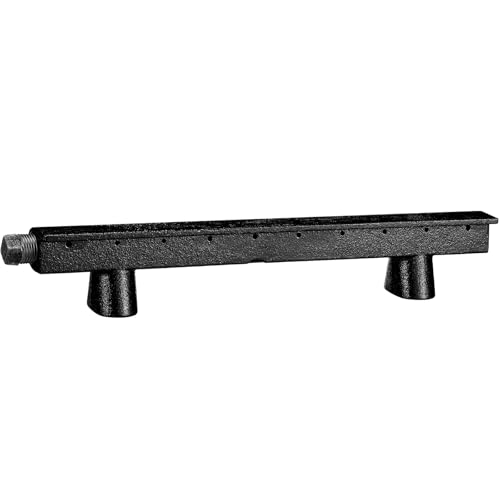
Grinsvalley 14 Inch Cast Iron Gas Log Burner for Natural Gas Only | Fireplace Starter with Even Flame Ports, Heavy Duty Construction, Threaded Inlet for Standard Lines, Natural Gas Use Only
Check price on Amazon
Barton 10-Piece Ceramic Gas Fireplace Logs, Realistic Wood-Look Stackable Decorative Log Set for Vented Gas Fireplaces, Fire Pits & Fireplace Inserts
Check price on Amazon
Barton 8-Piece Realistic Ceramic Fireplace Log Set, Ash Wood Style Fake Firewood, Stackable Heat-Resistant Gas Logs for Indoor Outdoor Gas Fireplaces, Fire Pits, Fireplace Inserts & Vented Burners
Check price on Amazon
Universal Gas Log Lighter Starter, Gas Fireplace Embers, Gas Fireplace Logs Fireplace Lighter with Burner Pipe, Fuel Mixer, Mixer Plug and Wrench, for Natural Gas Wood Burning Fireplaces.
Check price on Amazon
Midwest Hearth 17-Inch Gas Log Lighter Burner Tube | Gas Starter Pipe for Wood-Burning Fireplaces, 3/8 NPT Thread, NG & LP, Low Carbon Steel, Tube Only, Air Mixer Not Included
Check price on Amazon
Midwest Hearth Gas Log Lighter/Starter, Wood Burning Fireplace, Propane | Adjustable Air/Fuel Mixer for a Clean Blue Flame, Universal Straight or Angled Fit, Solid Iron Pipe, 19.5 in Total Length
Check price on Amazon